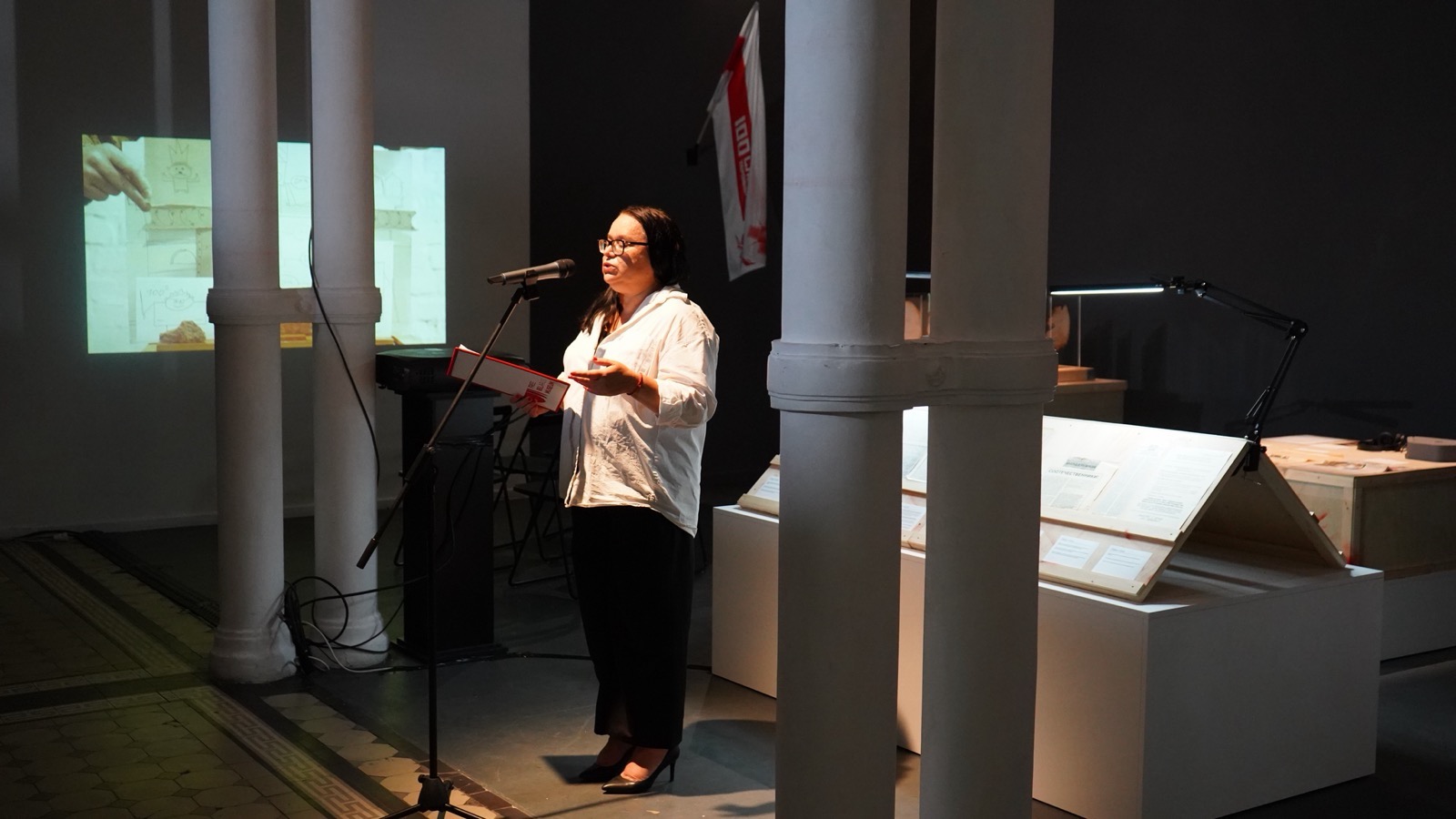
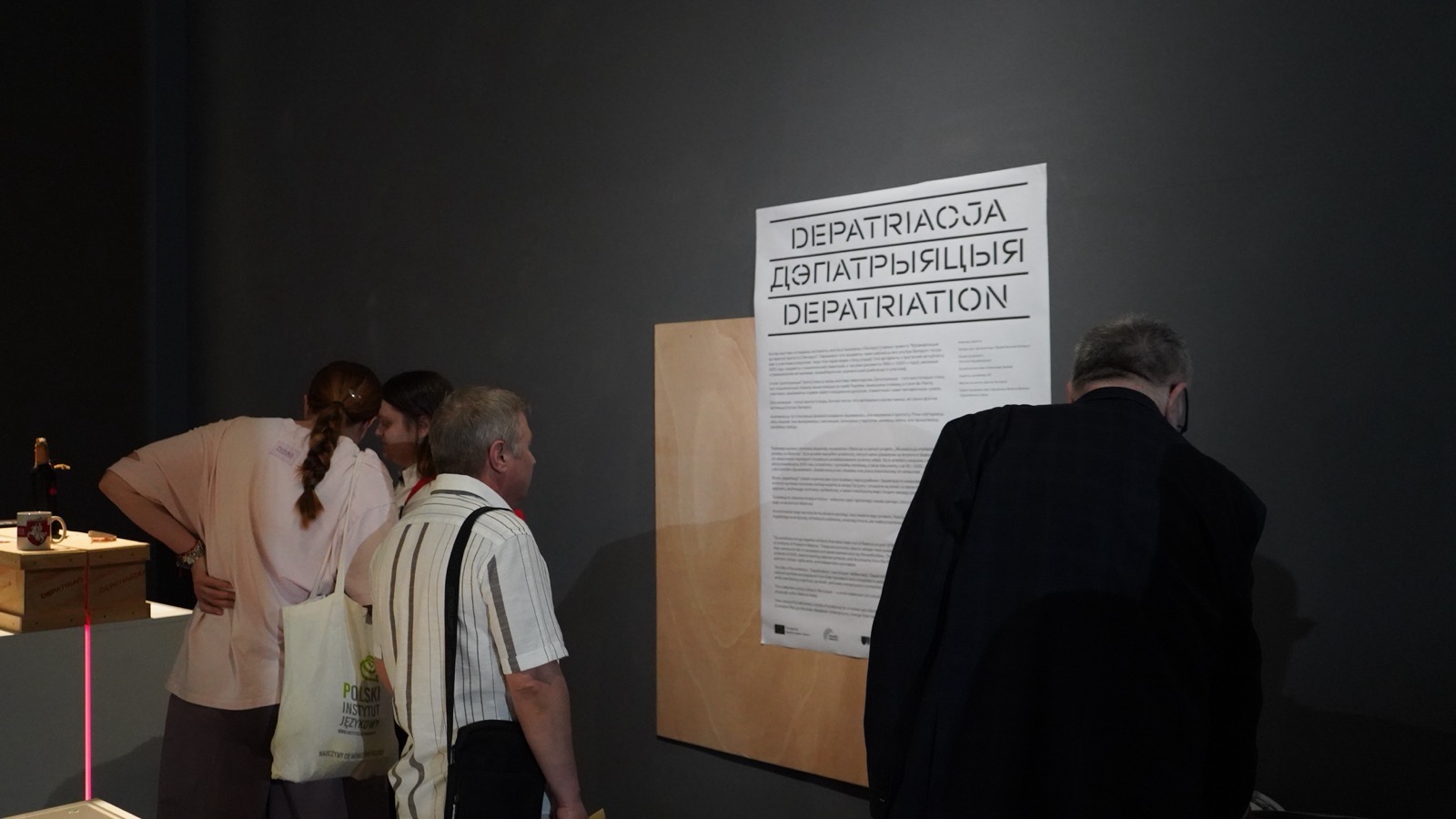
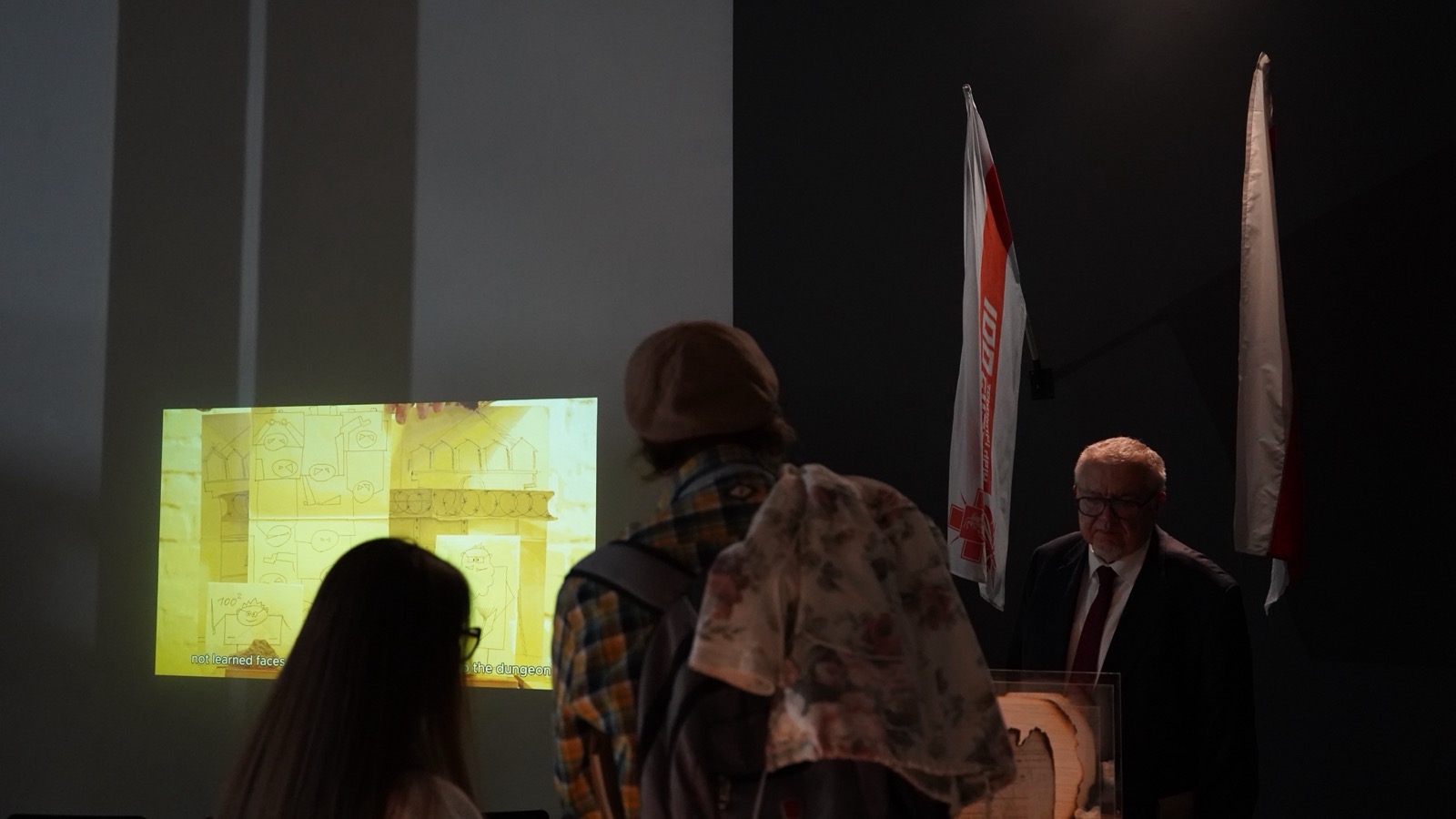
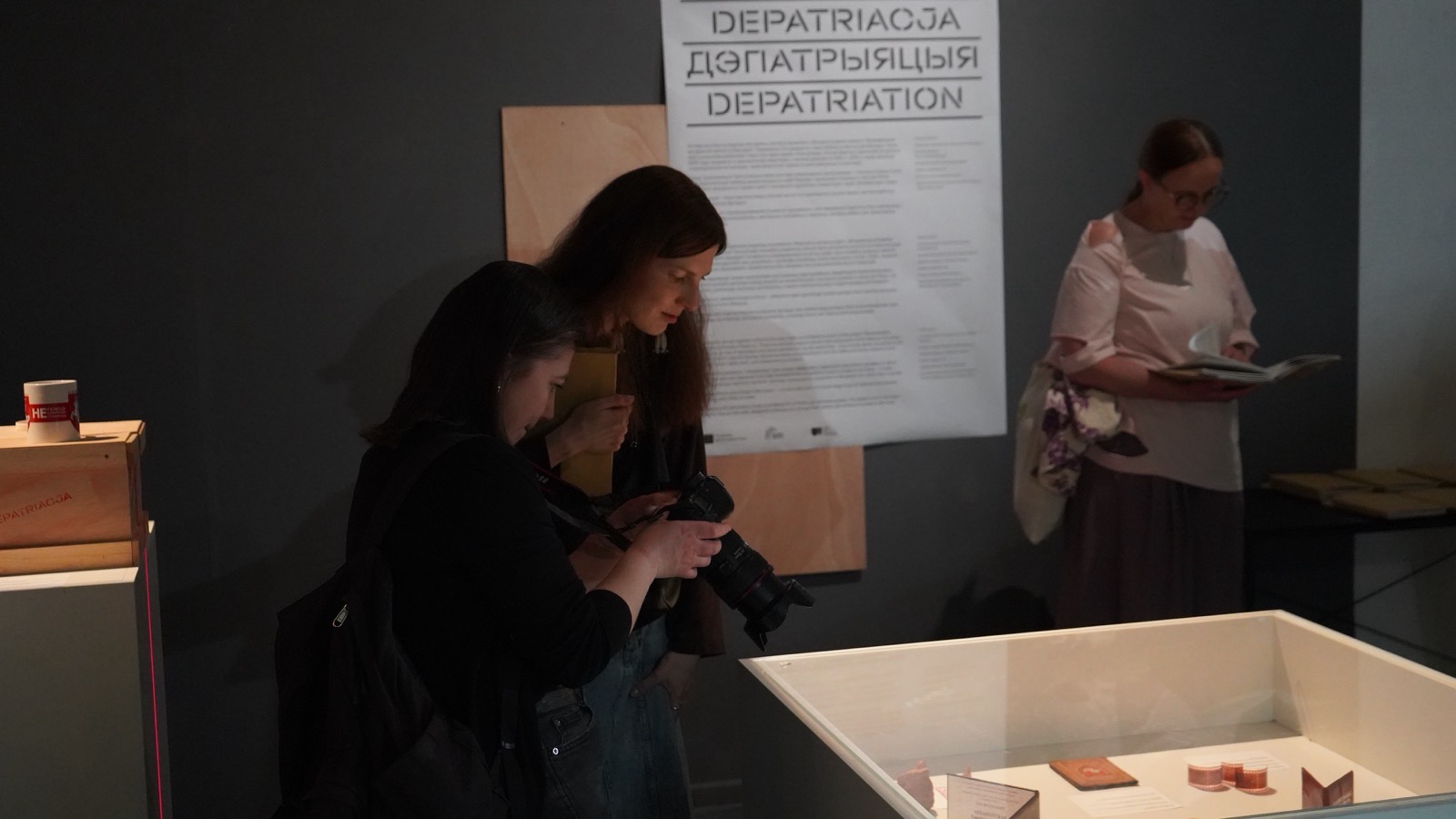
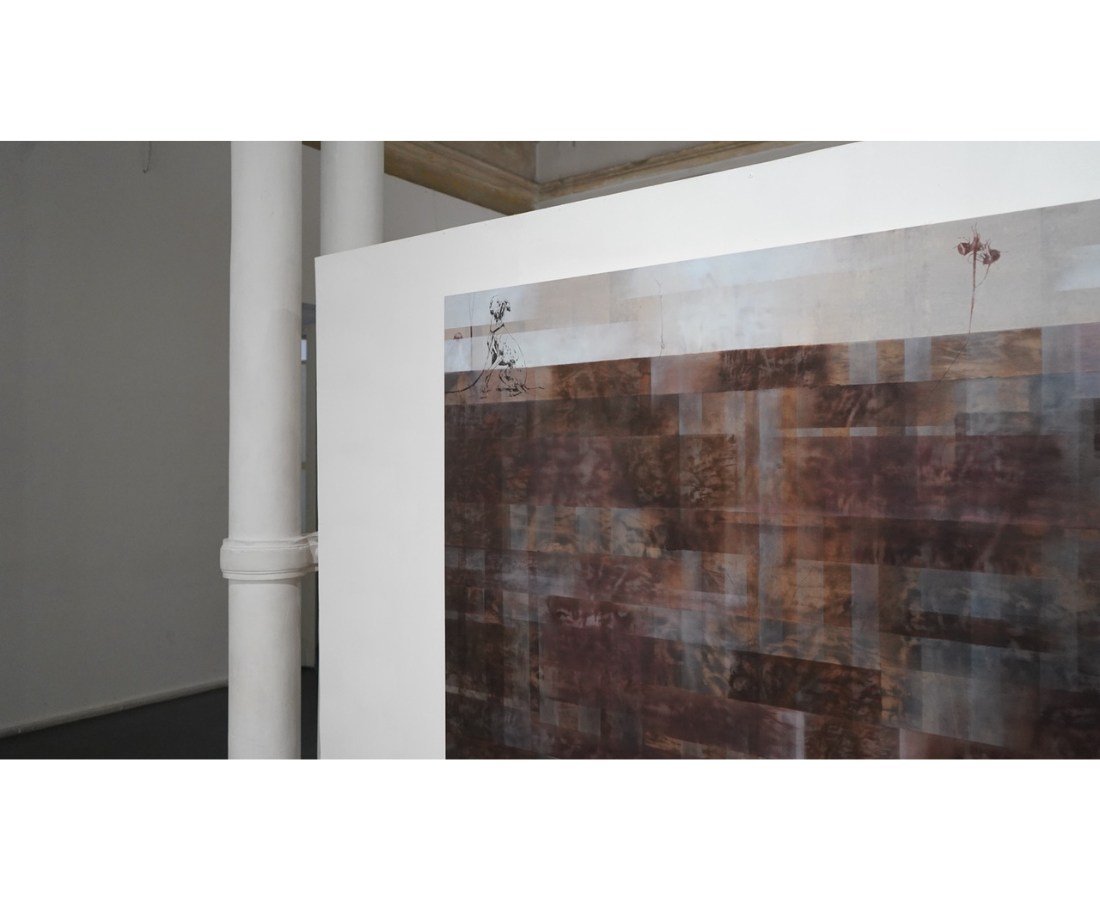
“Depatriation” Exhibition by the Free Belarus Museum
June 29, 2026
“Depatriation” is an exhibition dedicated to saving and preserving artefacts of Belarus’s recent history that have become vulnerable to destruction or confiscation amid ongoing repression.
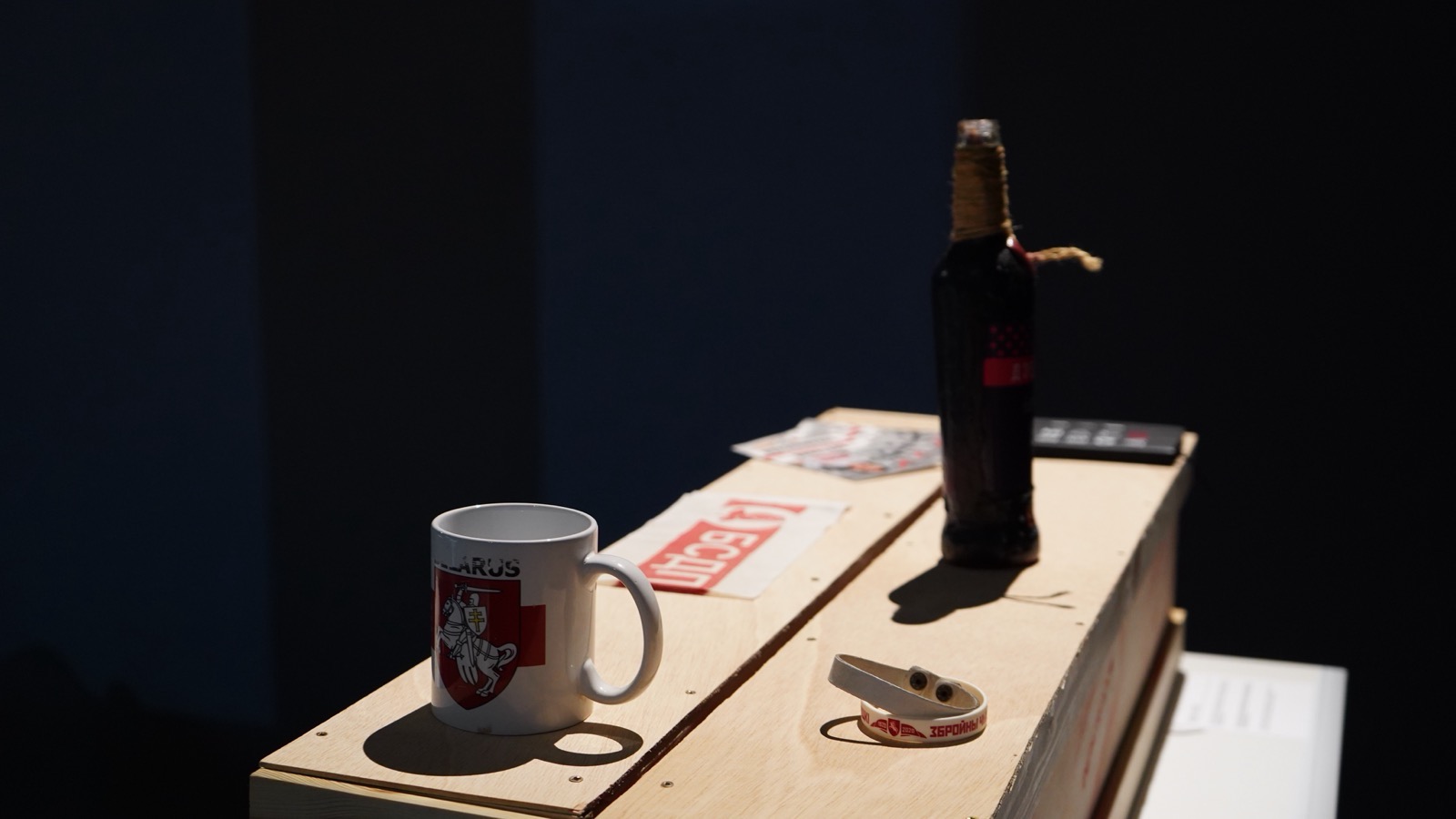
In Belarus, people can face persecution for possessing objects that preserve the memory of civic activism, protests and the democratic movement. Under conditions of repression, national symbols, documents, printed materials, private archives and other historical records are forced to leave the country in order to survive.
The term “depatriation” is rarely used, but it accurately describes this reality: objects that under normal circumstances would remain in Belarus may now be safe only outside the country.
The exhibition was the result of the project “Musealisation of Protest Artefacts in Belarus.” For several months, the Free Belarus Museum team worked together with people in Belarus to safely remove, document and preserve objects connected with the democratic movement and the country’s recent history.
As part of the project, the Museum received around 170 artefacts and several thousand photographs and video recordings. The exhibition presented objects previously kept in private collections and archives: items that accompanied people during protests and civic events, were hidden from searches, or preserved memories of important events in Belarusian history for decades.
The exhibition covered different periods of Belarus’s democratic movement — from the 1990s to the events of 2020.
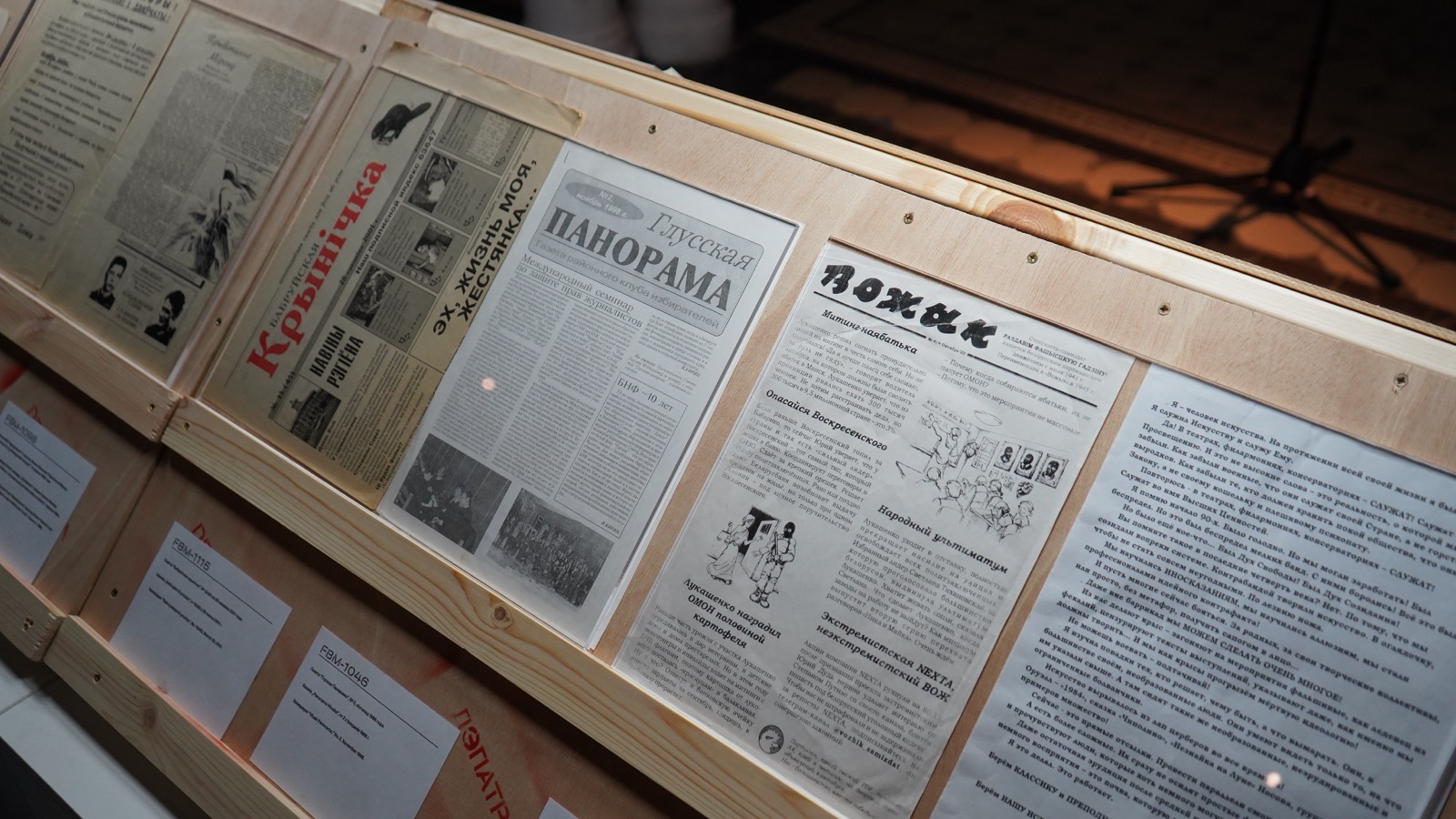
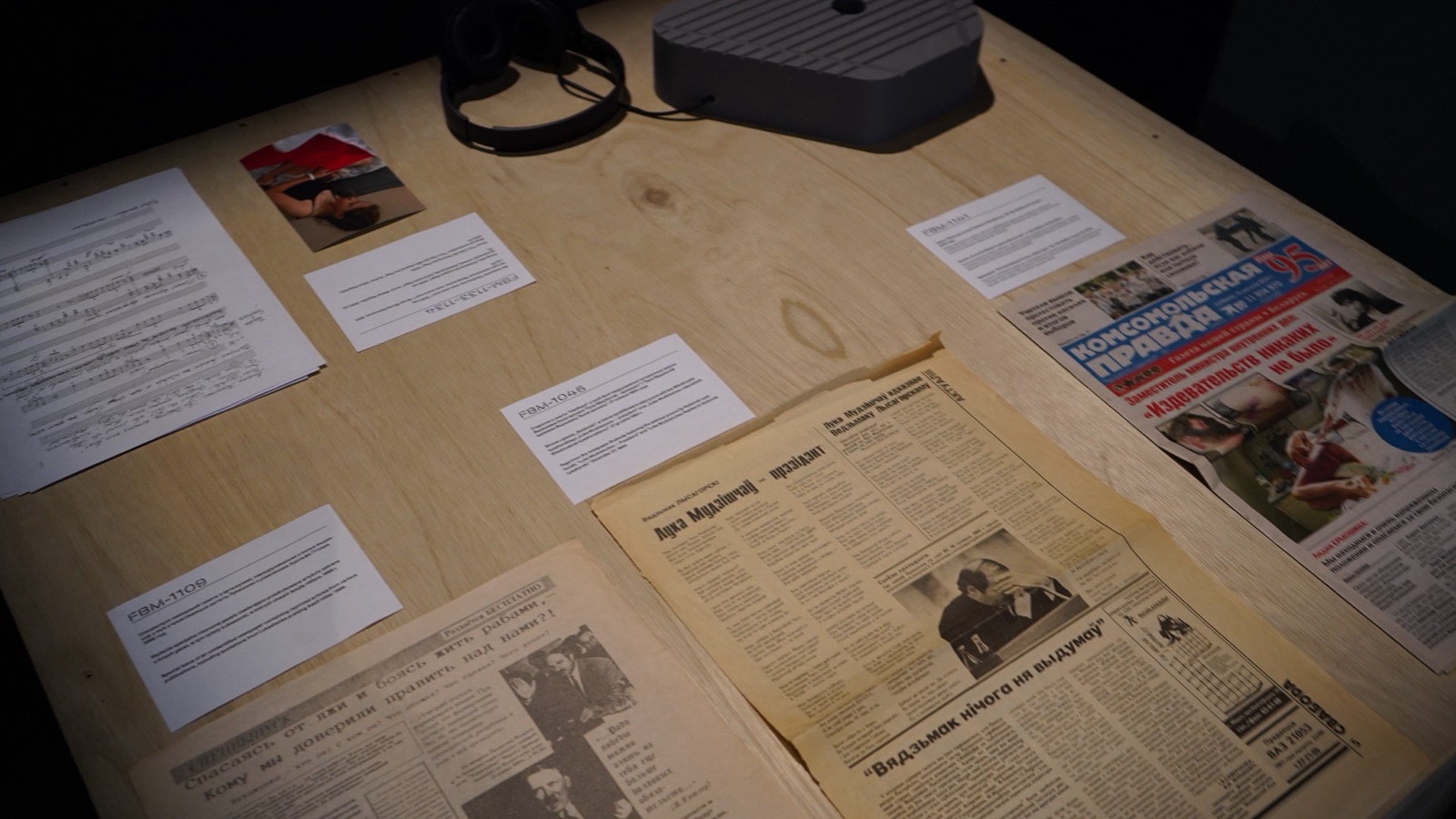
Among the exhibits were an invitation to the “Chernobyl Way – 96” action, the brochure “The Road to Nowhere, or Two Years of A. Lukashenka’s Presidency”, published in 1996, and an election leaflet of Stanislau Shushkevich from the 1994 presidential campaign.
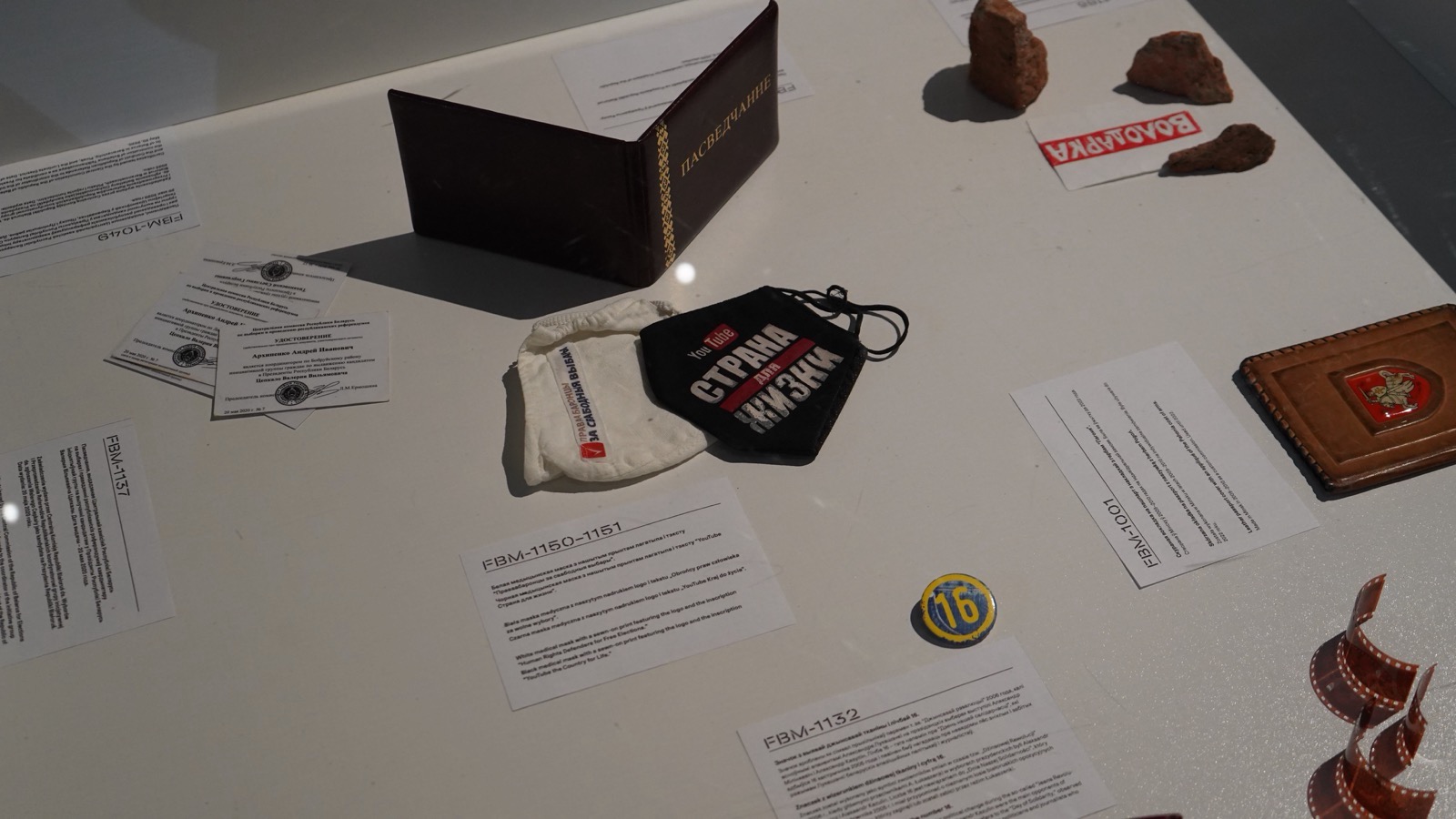
A separate section focused on documents connected with the 2020 election campaigns. The exhibition included certificates issued by the Central Commission of the Republic of Belarus for Elections and National Referenda to coordinators of initiative groups supporting the presidential candidacies of Valery Tsapkala and Sviatlana Tsikhanouskaya. Both documents were issued on 20 May 2020.
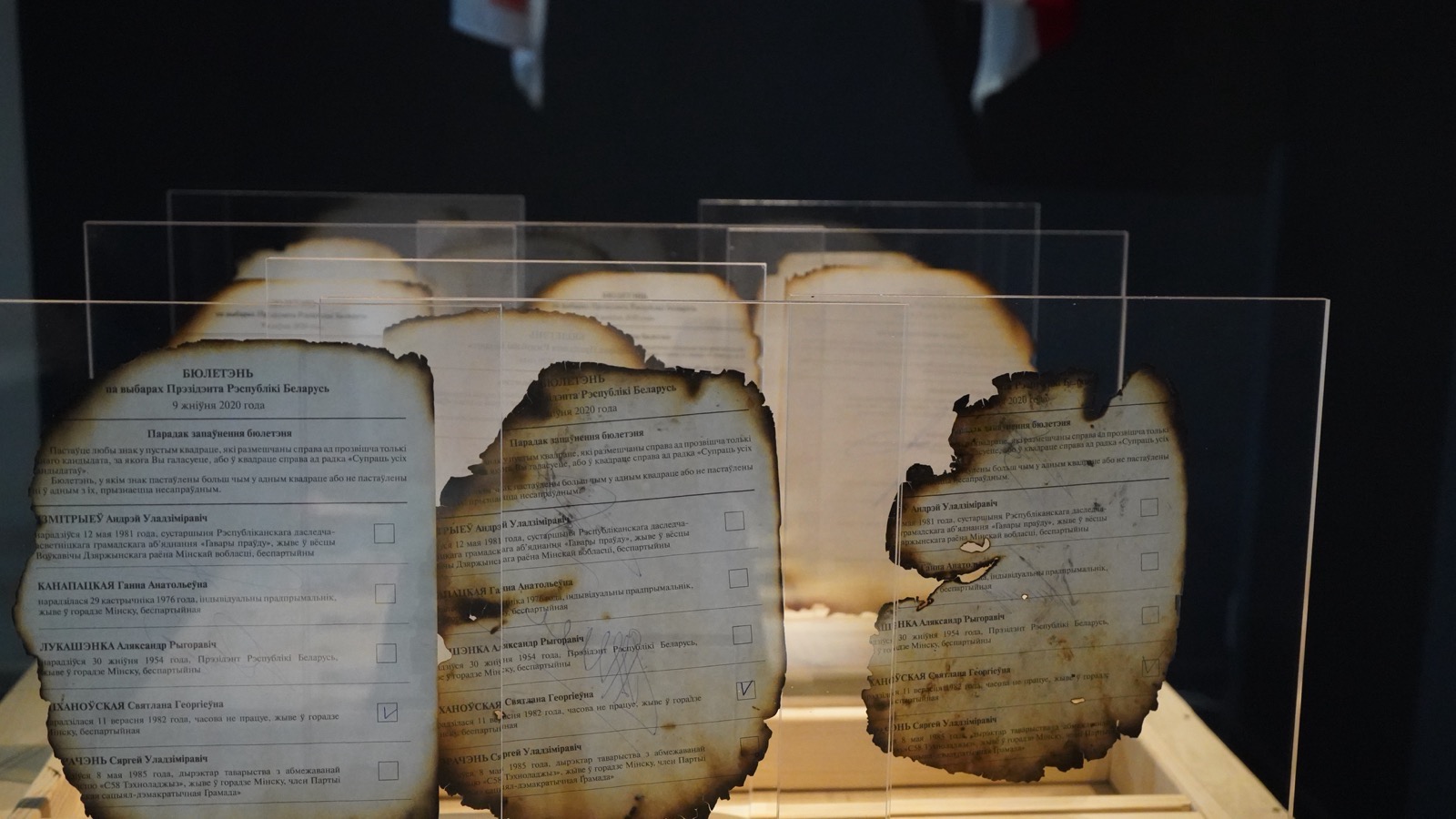
Personal testimonies included ballots from the 2020 election, which Palina Sharenda-Panasiuk managed to pass on to the Museum. The exhibition also presented journalist Kaciaryna Karpitskaya’s press ID, bearing traces of an attempt by a security officer to tear the document.
Another important part of the exhibition was the private archive of Uladzimir Laptsievich, a Belarusian journalist and civic activist from Mahiliou. It includes documents and publications from the 1990s and early 2000s, materials documenting violations of civil rights in Mahiliou, documents of civic and political organisations, regional independent press, and records of the first electoral campaigns of independent Belarus.
“Depatriation” was therefore not only about the objects themselves, but also about the people whose stories lie behind them. Each artefact is a material testimony to a particular period, event or personal experience.
For security reasons, some participants in the project and some of the stories behind the donated objects remained anonymous. The objects themselves, however, make it possible to document what happened and preserve these testimonies for the future.
Alongside the exhibition, the Museum worked on the “Depatriation” catalogue and educational materials on how to preserve historical artefacts in domestic conditions.
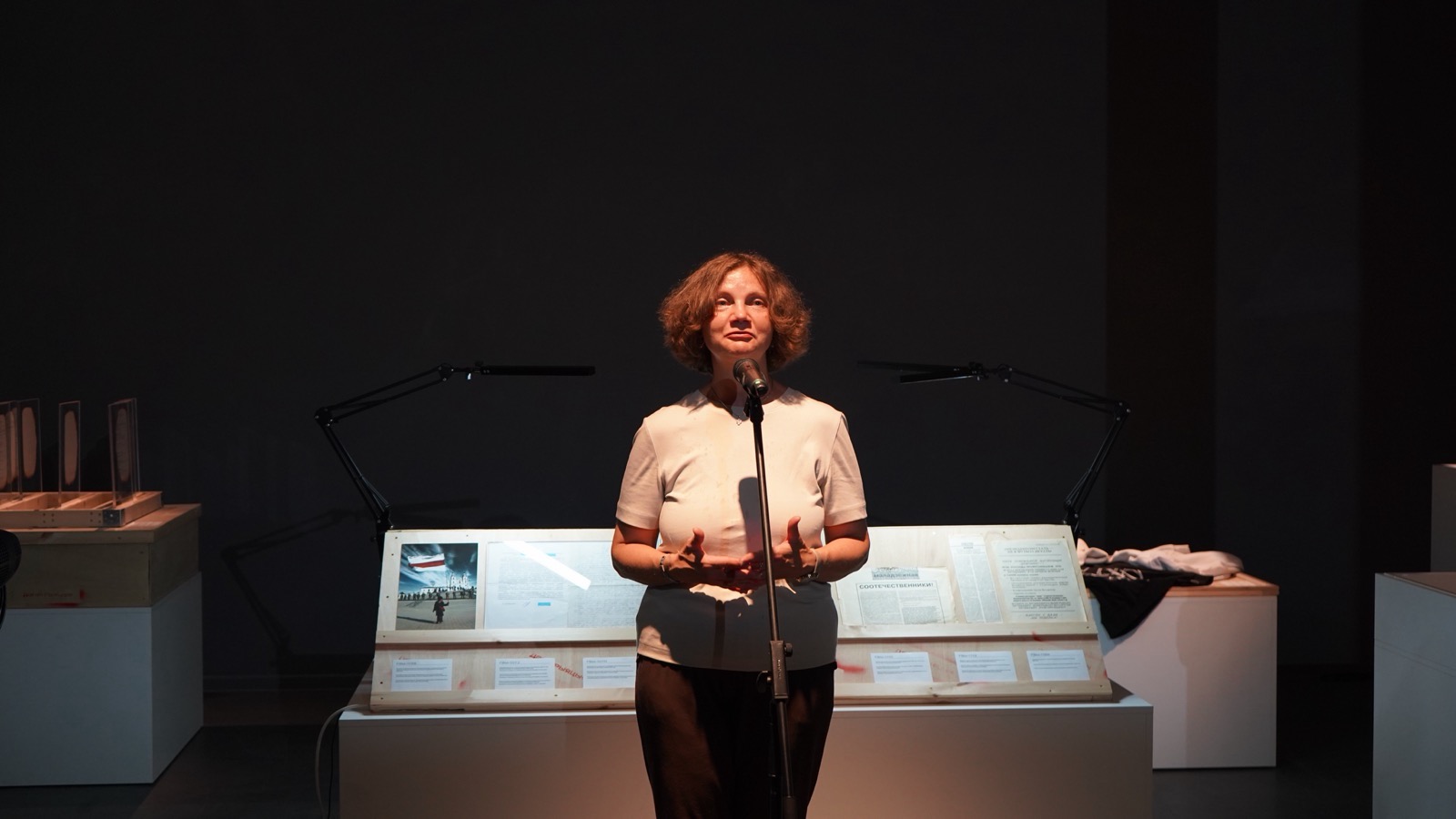
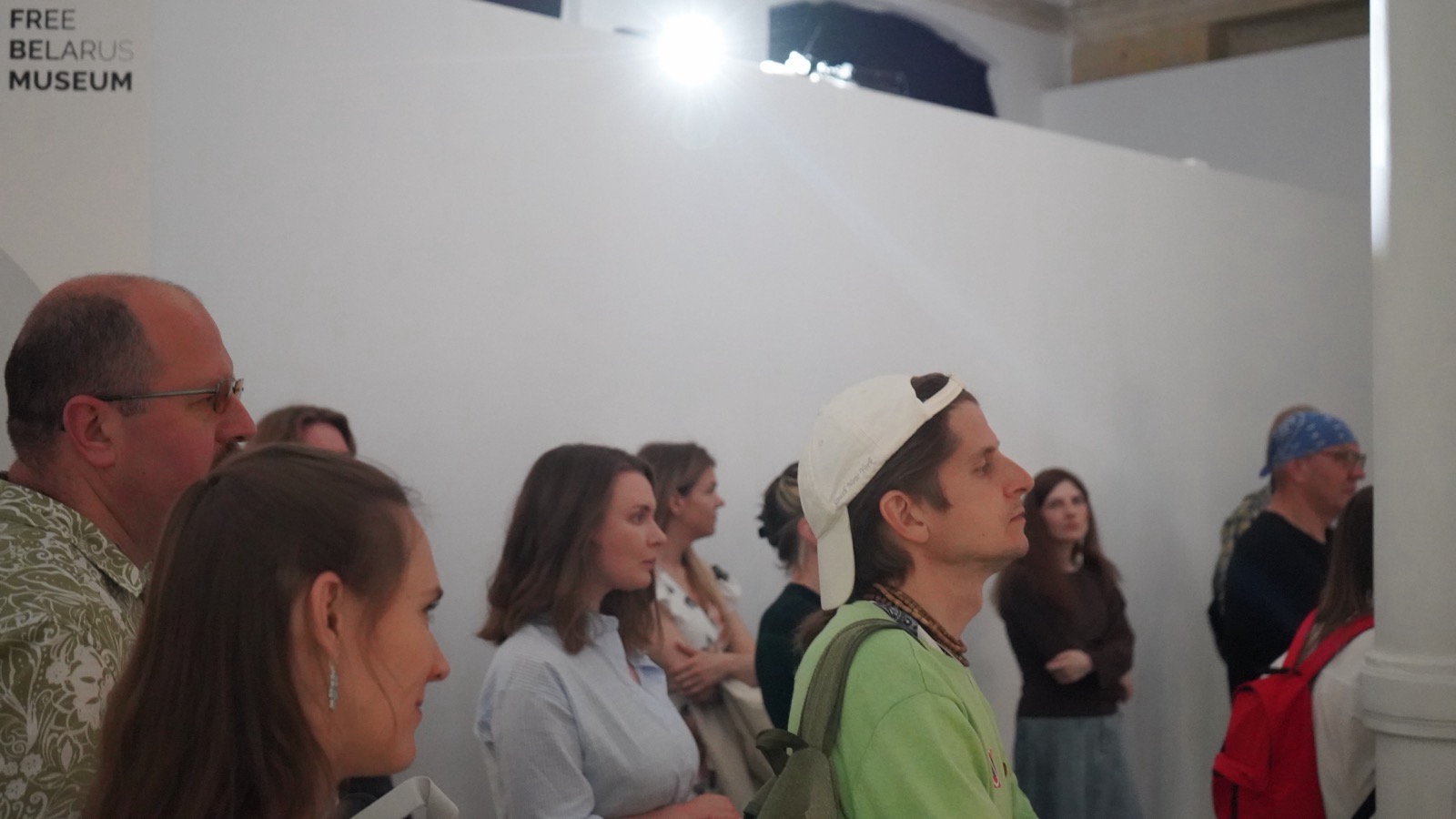
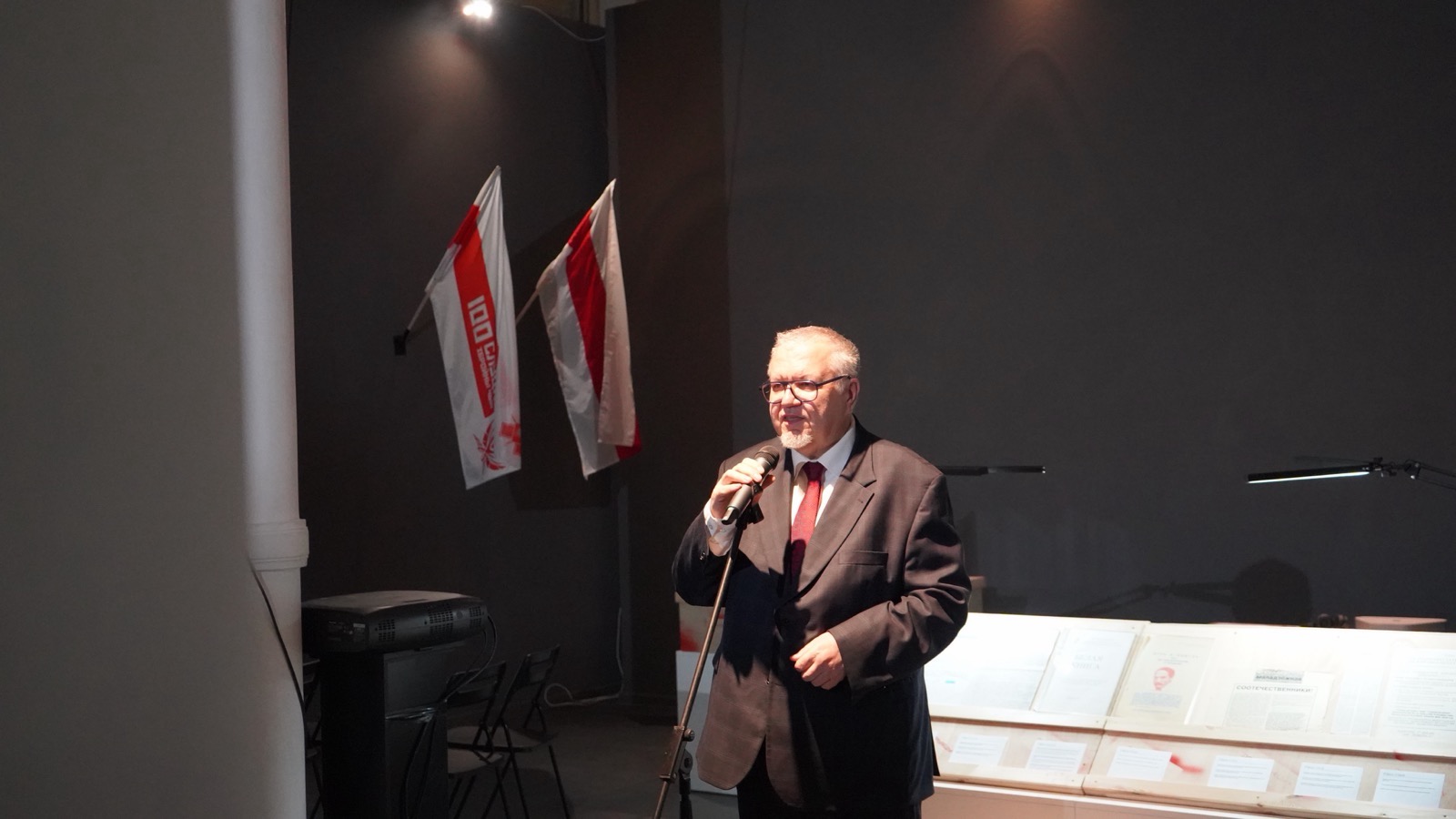
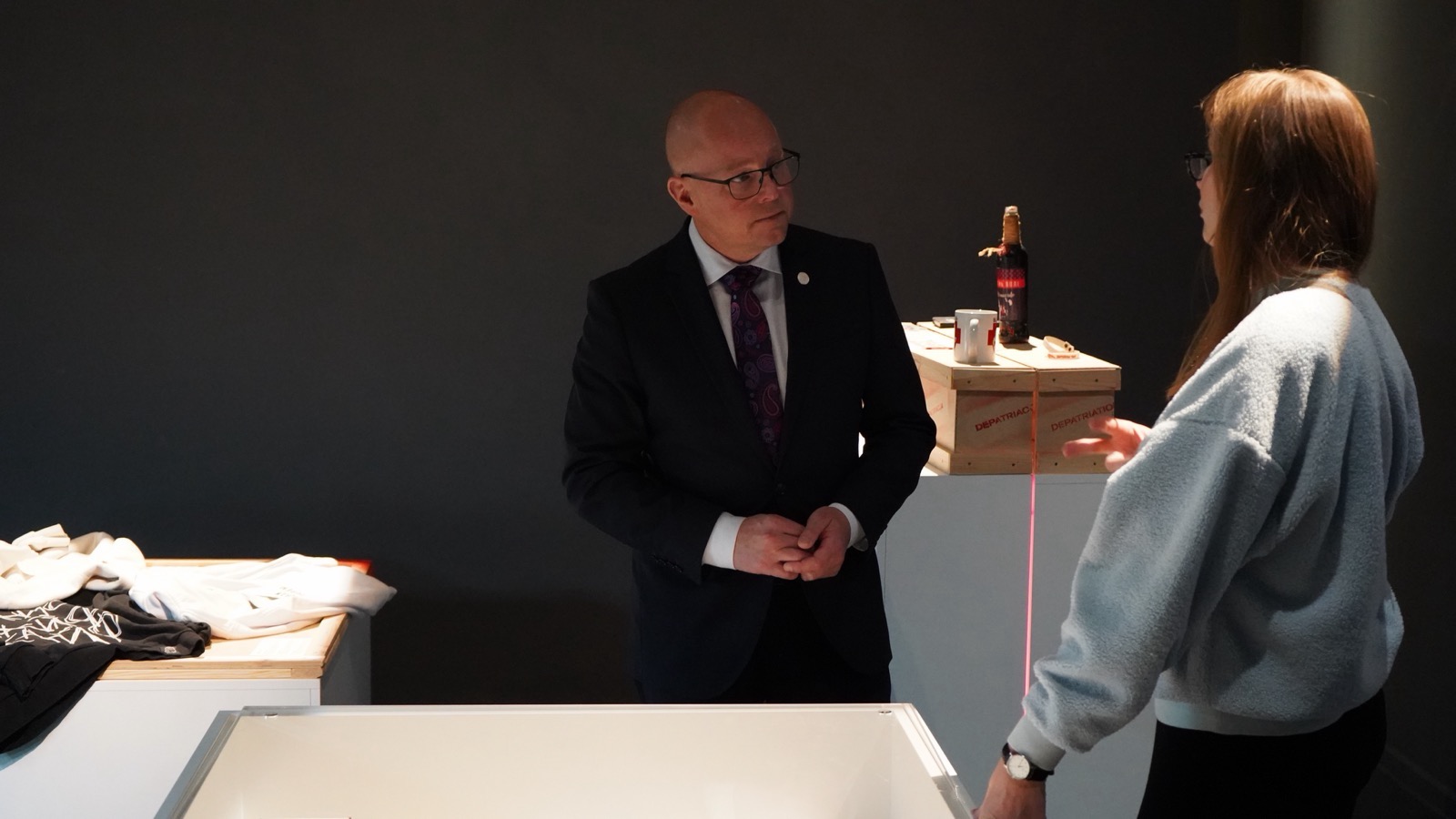
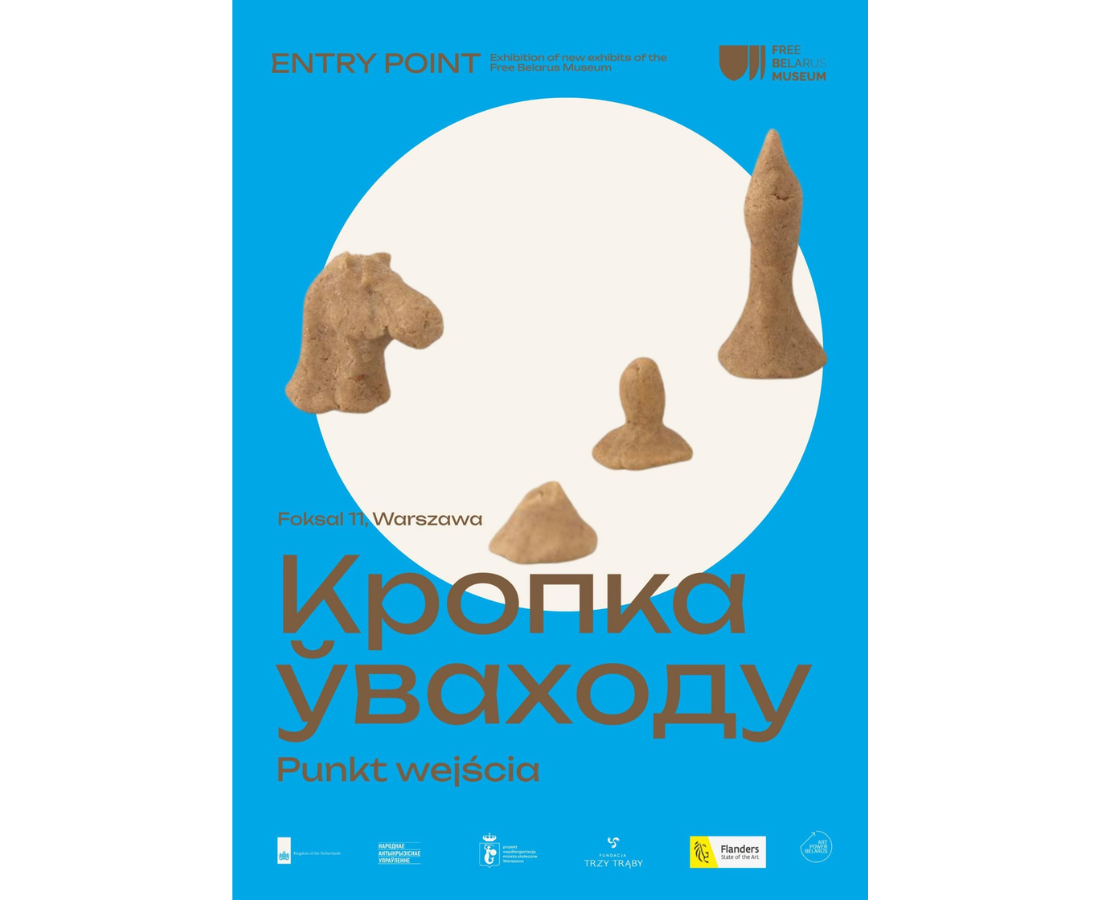
The “Depatriation” exhibition was presented at the Free Belarus Museum in Warsaw from 9 to 26 June. More than 300 people visited the exhibition during this period. It was accompanied by meetings and discussions about memory, freedom and responsibility.
“Depatriation” became part of the Free Belarus Museum’s long-term work to collect and preserve material evidence of the history of Belarus’s democratic movement. This work continues beyond the exhibition.
The Museum continues to accept artefacts connected with the democratic movement and to support their preservation when they face a real risk of destruction or confiscation in Belarus.
The exhibition was organised with the support of Belarus Beehive and the European Union.
Propose
A theme or work for future exhibitions
Do you have an idea or a work you would like to present? Join in creating future exhibition projects.