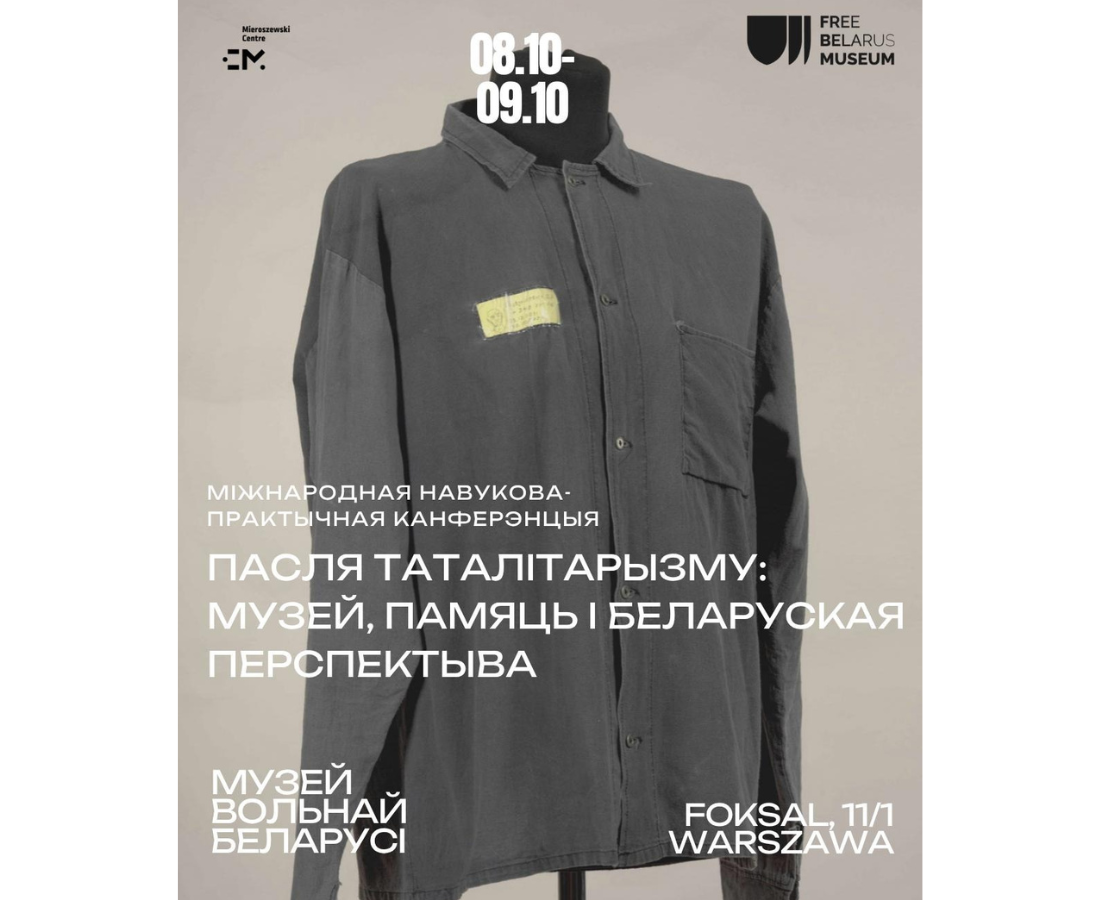
The First Day of the International Conference “After Totalitarianism: Museum, Memory and the Belarusian Perspective”

Icon
October 8, 2026
News Main Image
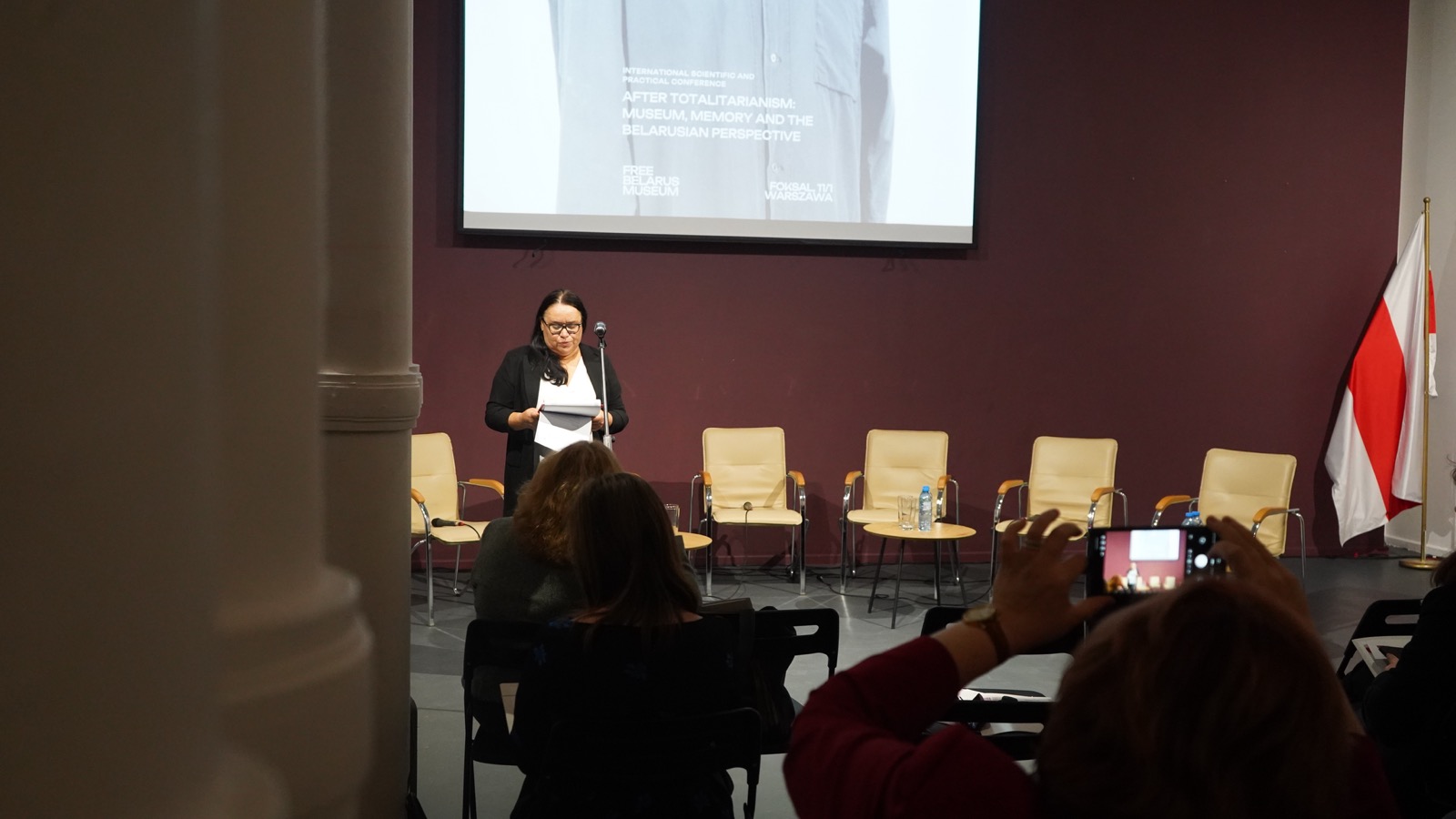
The first day of the international conference “After Totalitarianism: Museum, Memory and the Belarusian Perspective”has come to an end.
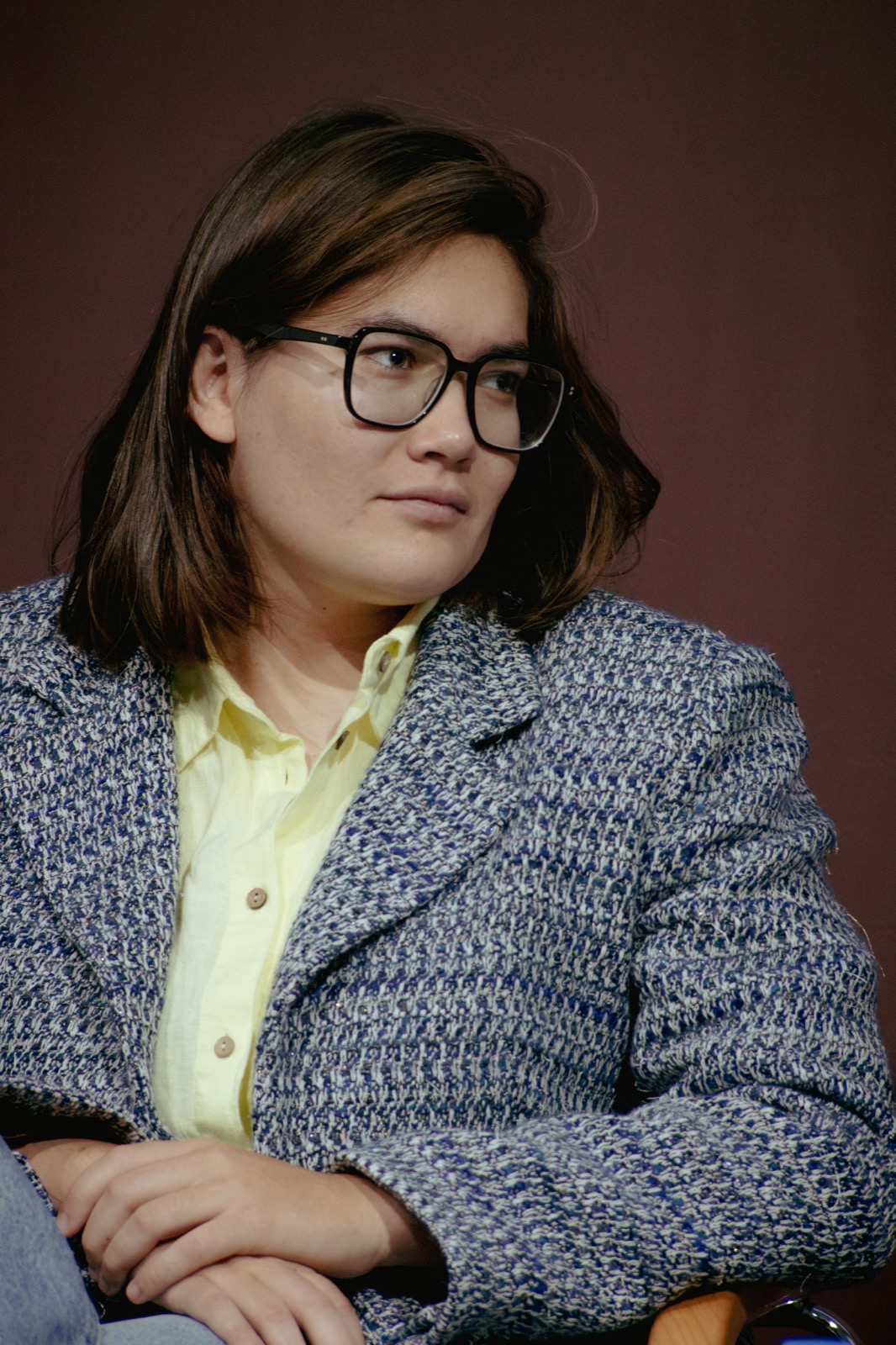
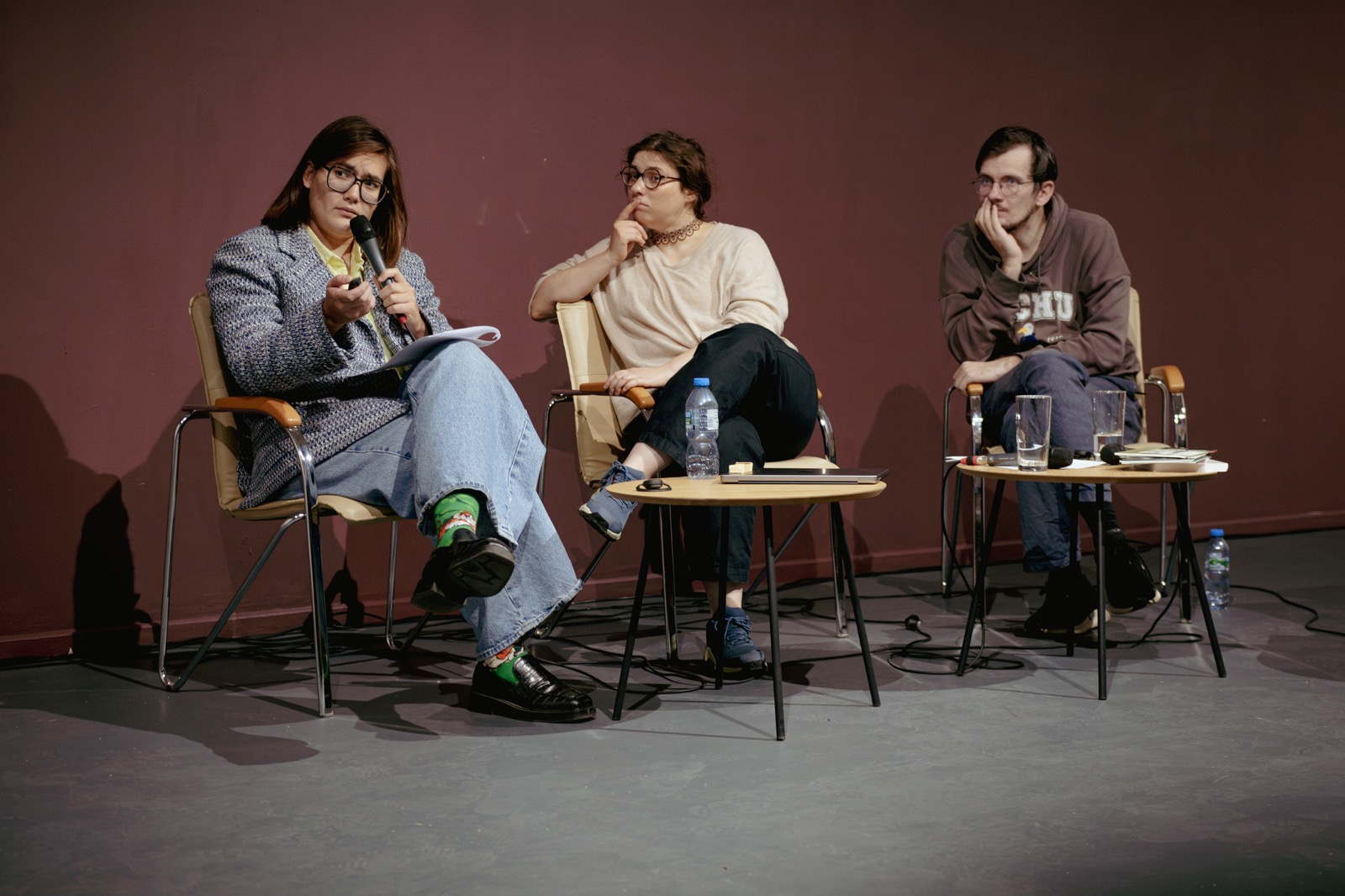
The day focused on the memory of repression, historical revisionism, difficult heritage and local commemorative practices. Participants from Belarus and across Europe shared their experiences of how museums and research institutions address the trauma of the totalitarian past, state violence, the memory of victims and the preservation of heritage.
The conference was opened by Natallia Zadziarkouskaya, Director of the Museum of Free Belarus; Tatsiana Tsermancich, Head of the Secretariat of the PACE Committee on Culture, Science, Education and Media; Łukasz Adamski, Director of the Juliusz Mieroszewski Centre for Dialogue; and Pavel Latushka, Head of the National Anti-Crisis Management.
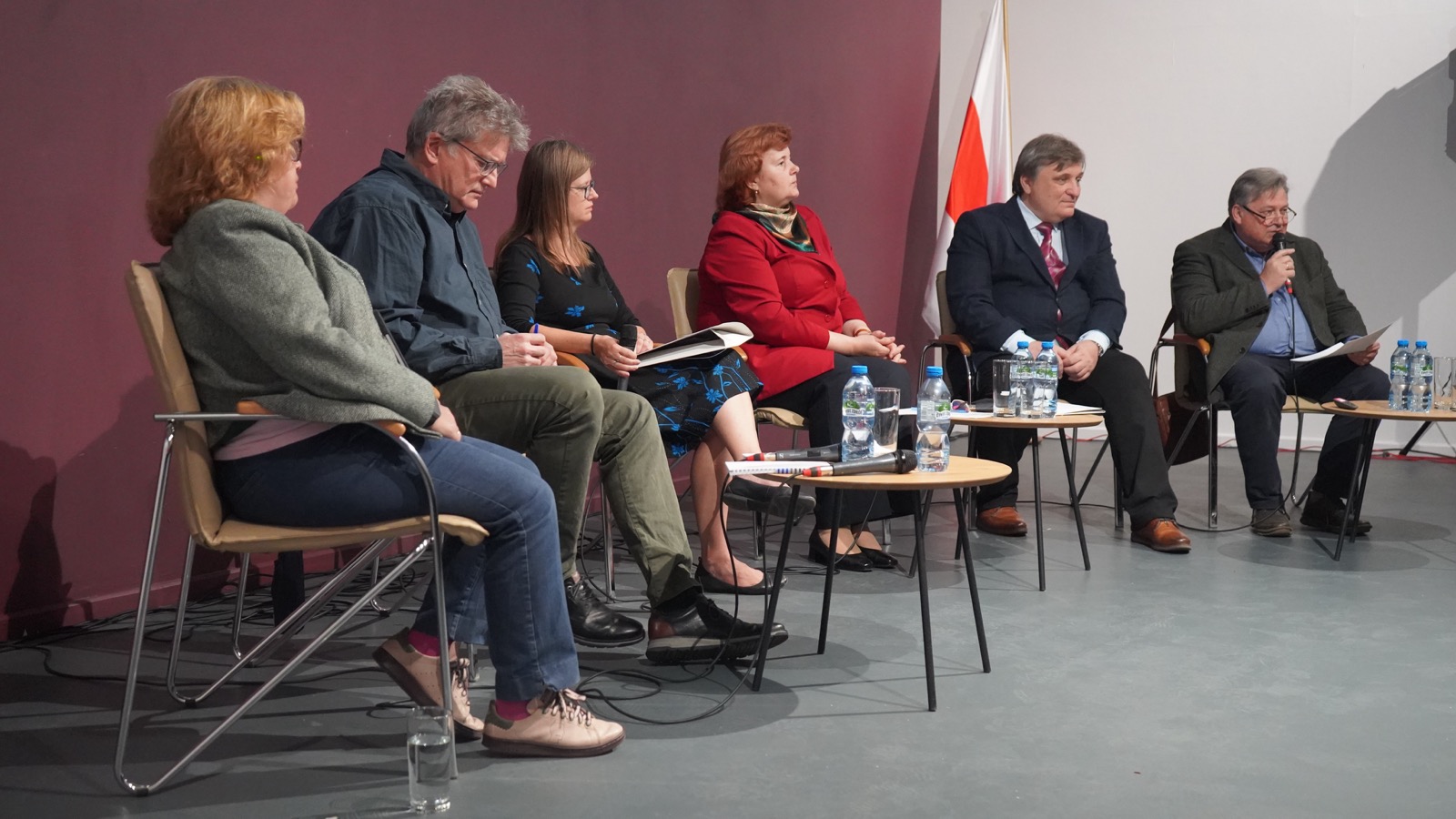
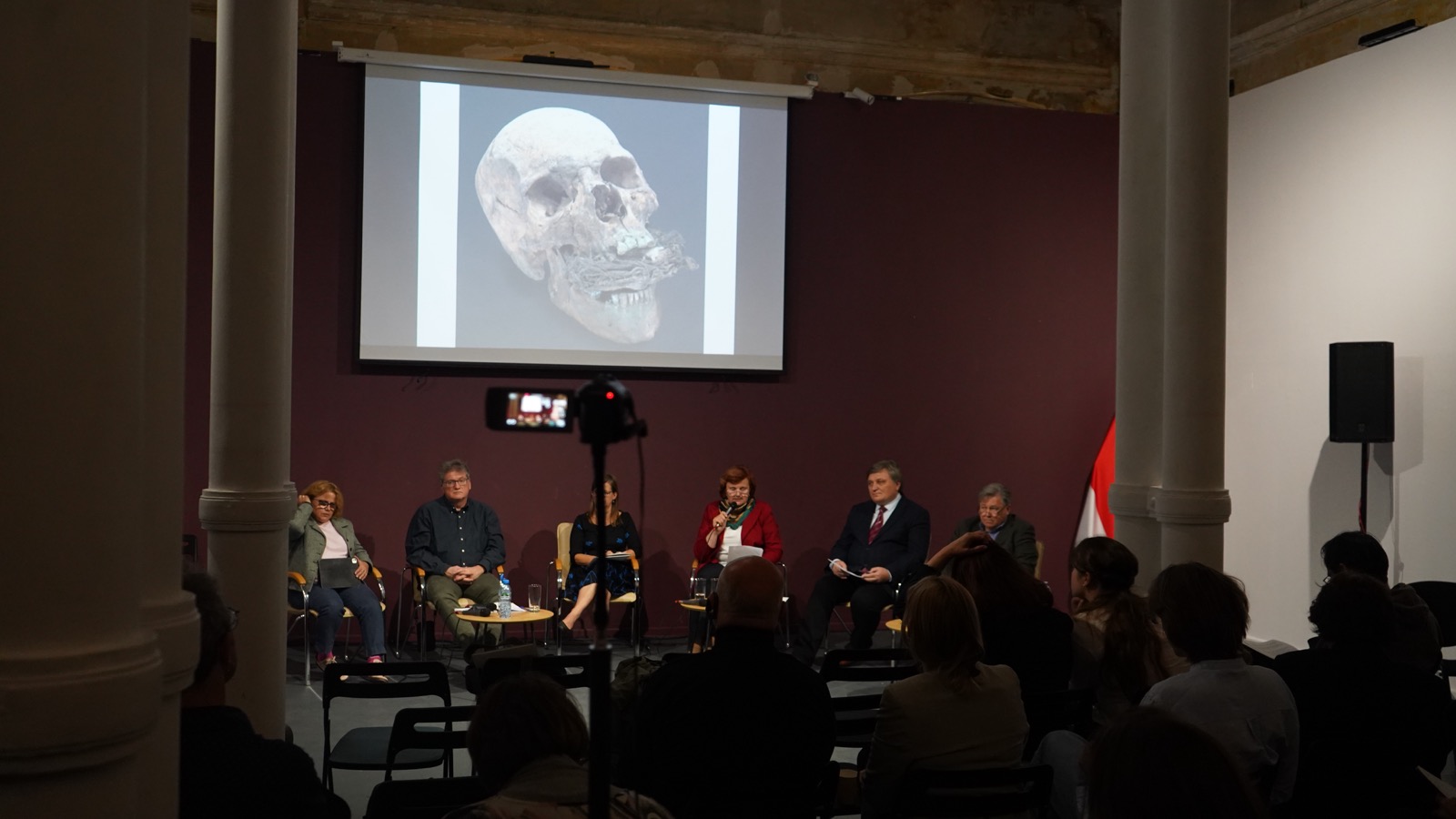
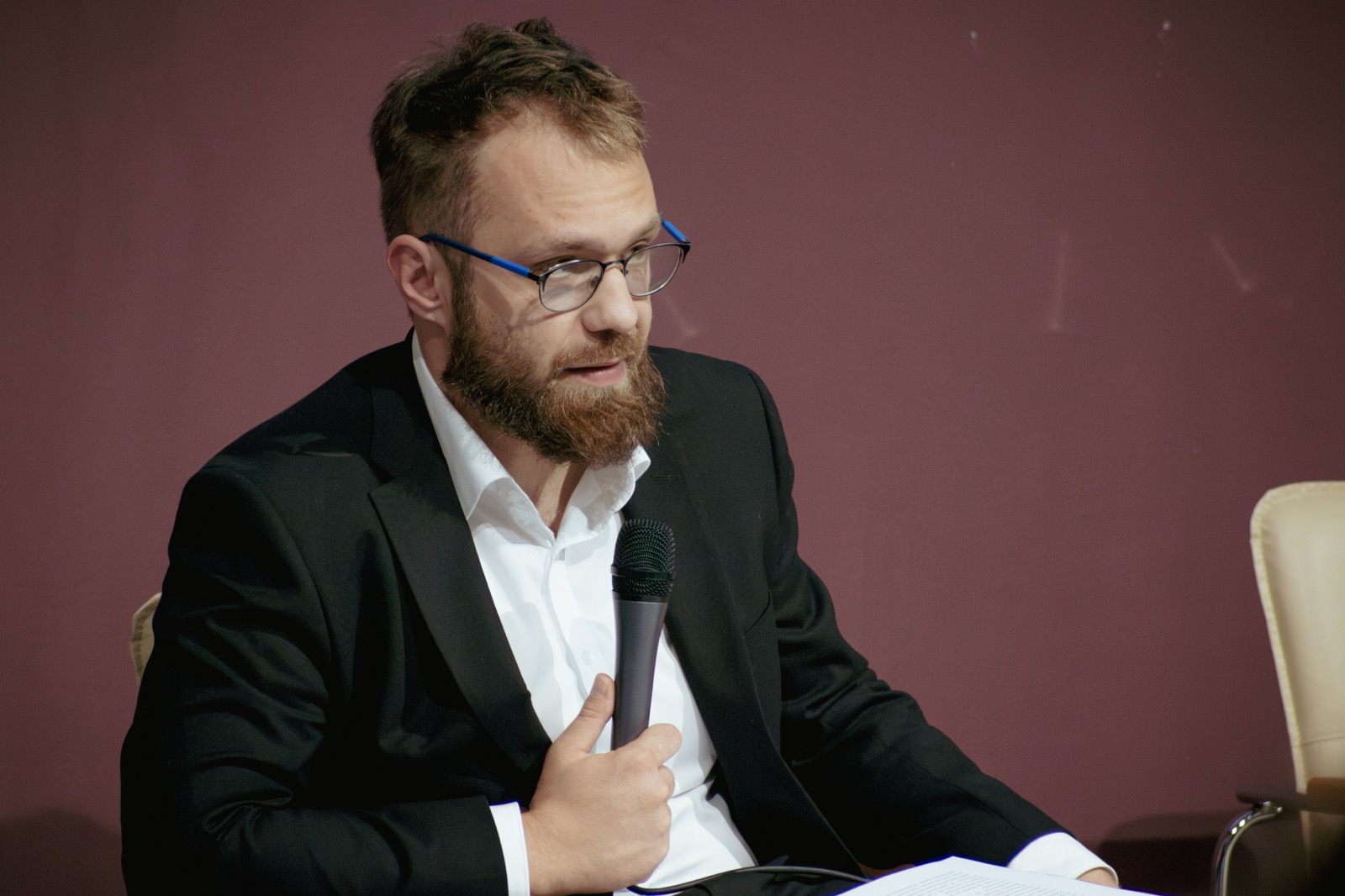
The plenary session, “Memory of Repression and Revisionism in the Post-Totalitarian World,” moderated by Pavel Tsierashkovich, featured:
• Klára Pinerová — Institute of Contemporary History, Czech Academy of Sciences;
• András Mink — Blinken Open Society Archives, Central European University;
• Enriketa Papa-Pandelejmon — University of Tirana;
• Ludmila Cojocaru — National Museum of History of Moldova and the Museum of Victims of Deportations and Political Repression;
• Virgiliu Bîrlădeanu — Institute of History, Moldova State University.
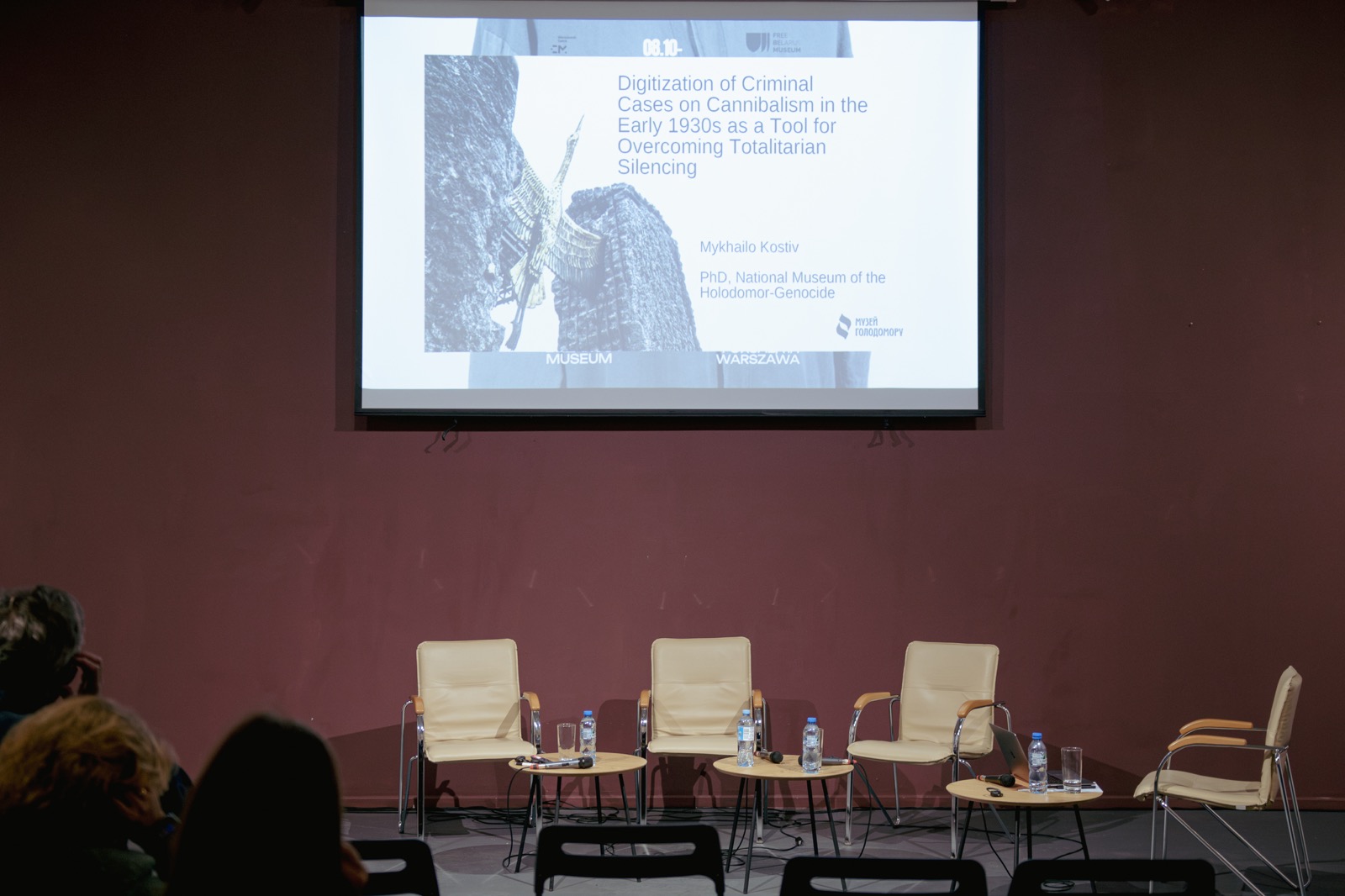
The thematic sessions also featured contributions from Lisi Ploom, Evita Feildentāle, Andrei Arkhipenka, Paulina Vitulchanka, Hanna Havina, Bartłomiej Sokołowski, Shalala Mammadova, Mykhailo Kostiv and Anna Gataleta.
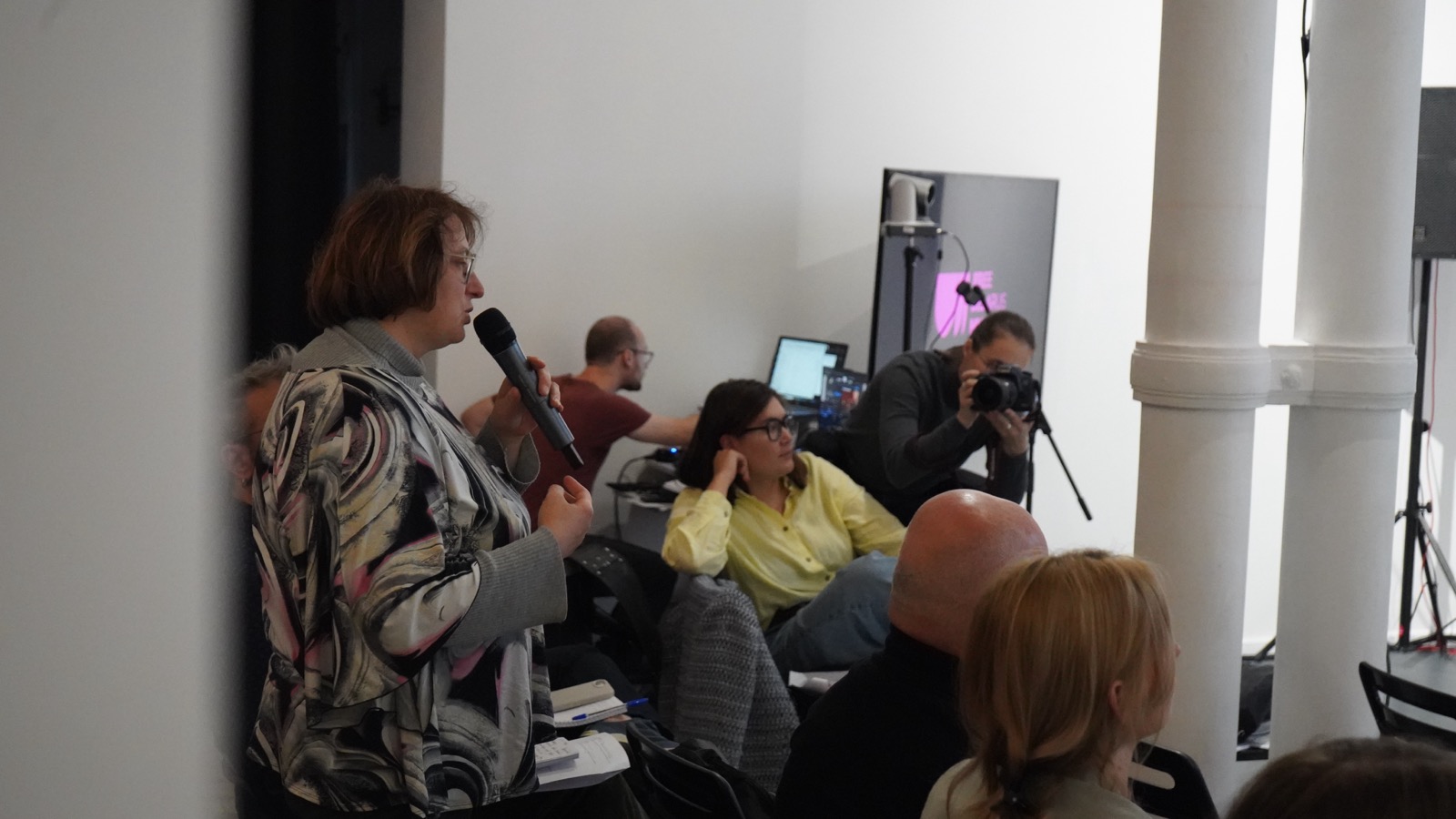
One particularly important discussion addressed what is needed to work with memory after the experience of totalitarianism. During the Q&A following the first plenary session, a key point emerged: to move forward with memory work, we must first acknowledge what happened — recognise the existence of totalitarianism and its consequences. Without this recognition, it is difficult to begin a meaningful discussion about responsibility and re-examining the past.
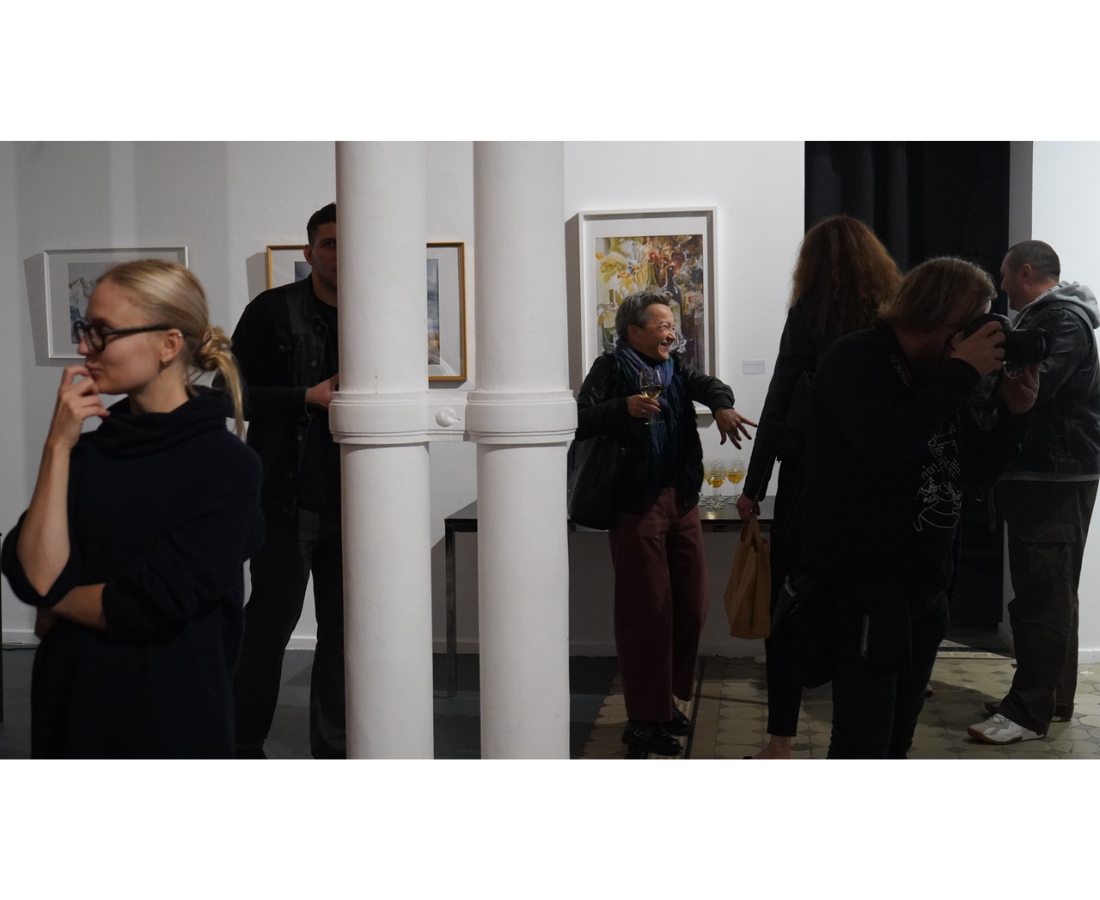
We extend our sincere thanks to all the speakers, moderators and participants who joined us today, both in Warsaw and online. Thank you for the open questions, diverse experiences and conversations that reach far beyond museum practice.
Photos: Museum of Free Belarus and Daria Krotova.
‍
The event was co-financed by the Juliusz Mieroszewski Centre for Dialogue as part of the 4th Open Competition.

‍