Free Belarus Museum Project “Bagpipes: Instrument, History, Symbol”
Projects
May 18, 2026
Bagpipes: Music of the Past and Present
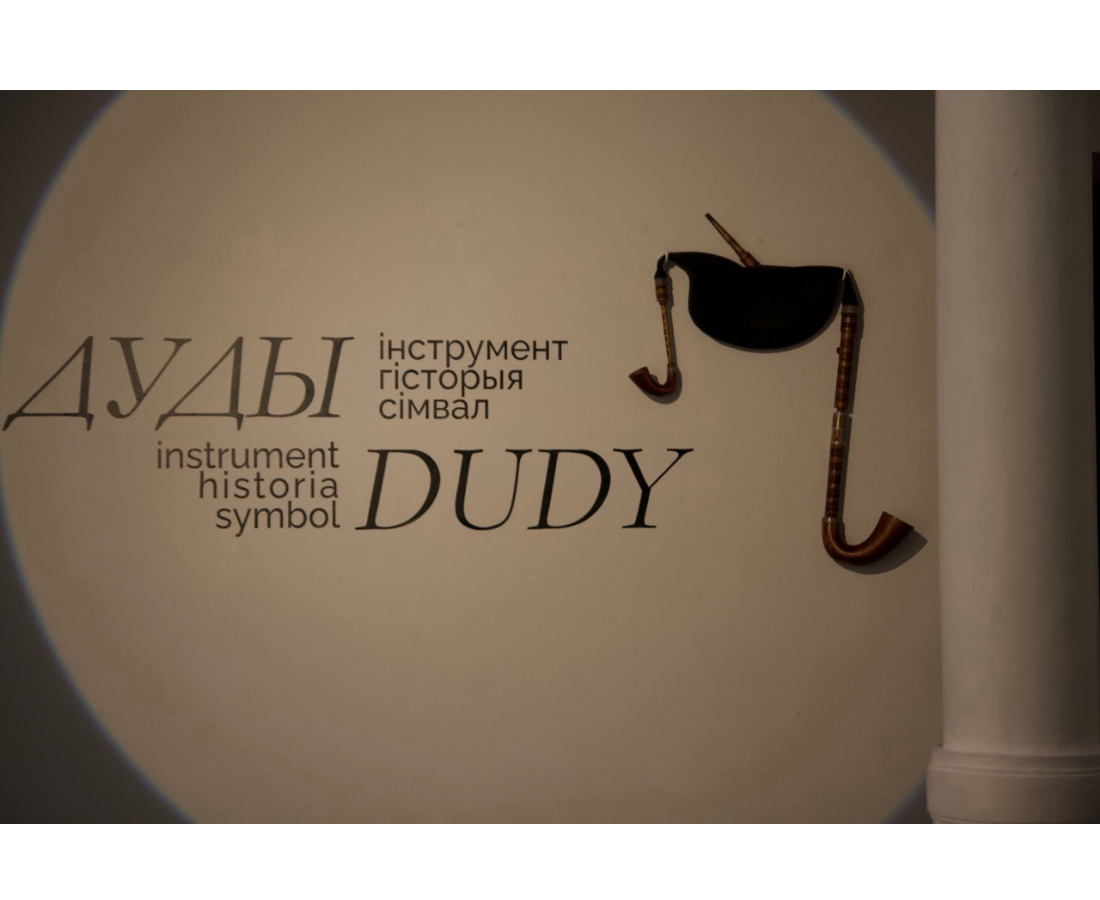
“Bagpipes: Instrument, History, Symbol” was an exhibition, educational and music project by the Free Belarus Museum dedicated to the Belarusian bagpipe tradition — its history, transformations and contemporary revival.
The bagpipe is one of the most distinctive musical symbols of Belarusian culture. Once part of rural life and traditional musical culture, it almost disappeared from living practice in the mid-20th century. In the late 20th and early 21st centuries, the bagpipe tradition began to revive and gradually moved far beyond ethnographic reconstruction, becoming part of contemporary Belarusian cultural identity.
The project “Bagpipes: Music of the Past and Present” explored this journey — from a traditional musical instrument to a cultural symbol and a living contemporary practice.
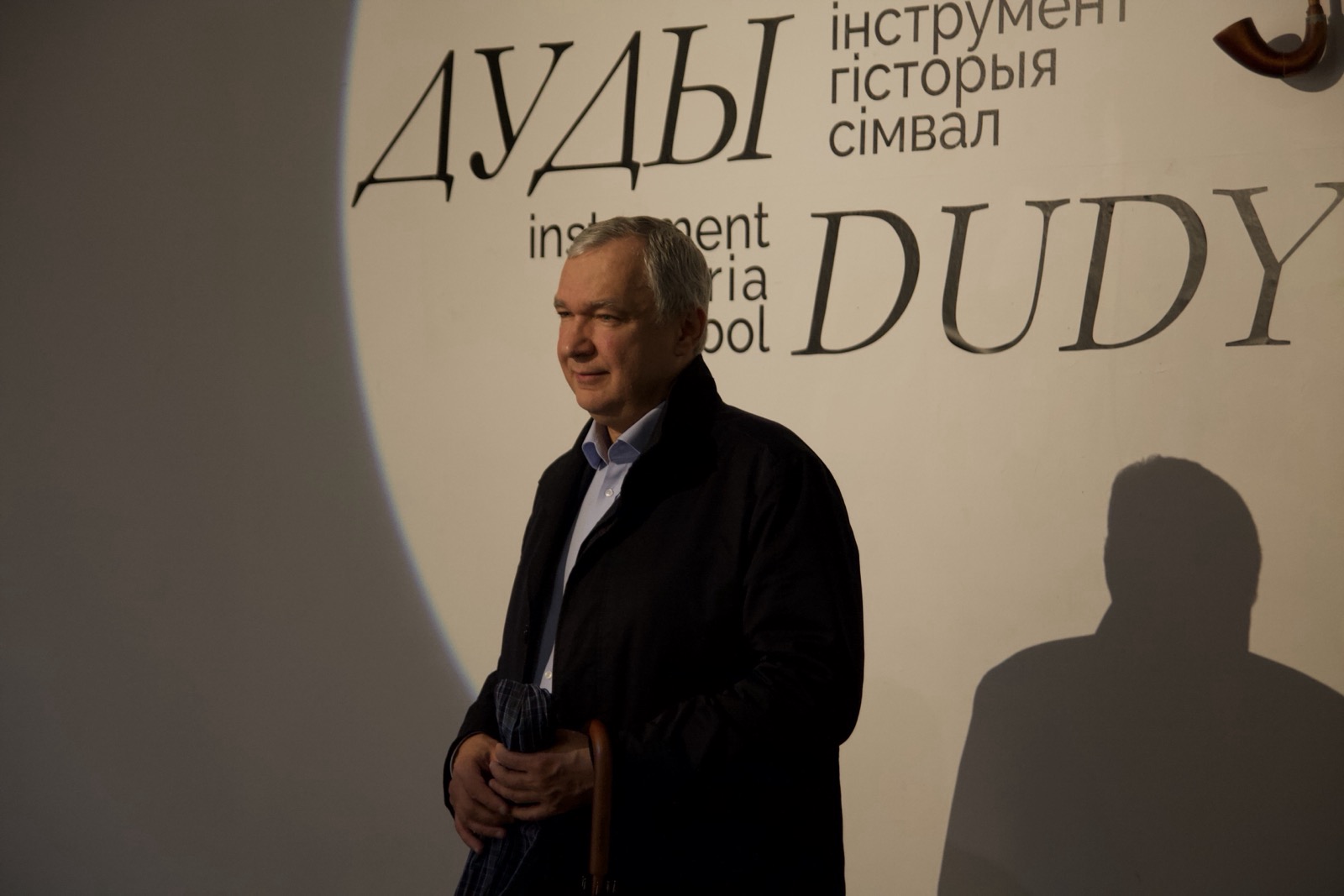
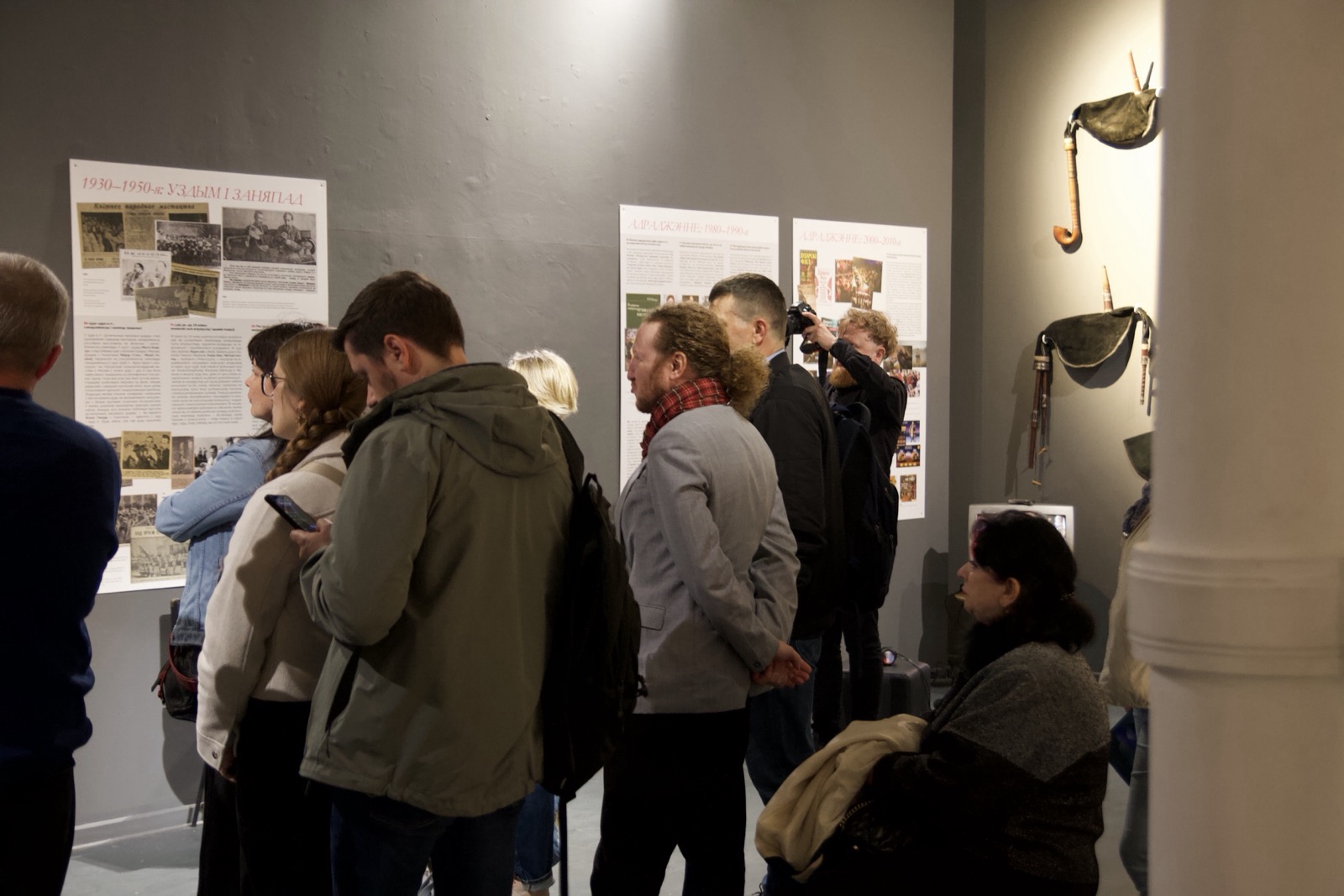
The central part of the project was the exhibition “Bagpipes: Instrument, History, Symbol”, which opened at the Free Belarus Museum on 16 May 2026 as part of Warsaw’s Night of Museums.
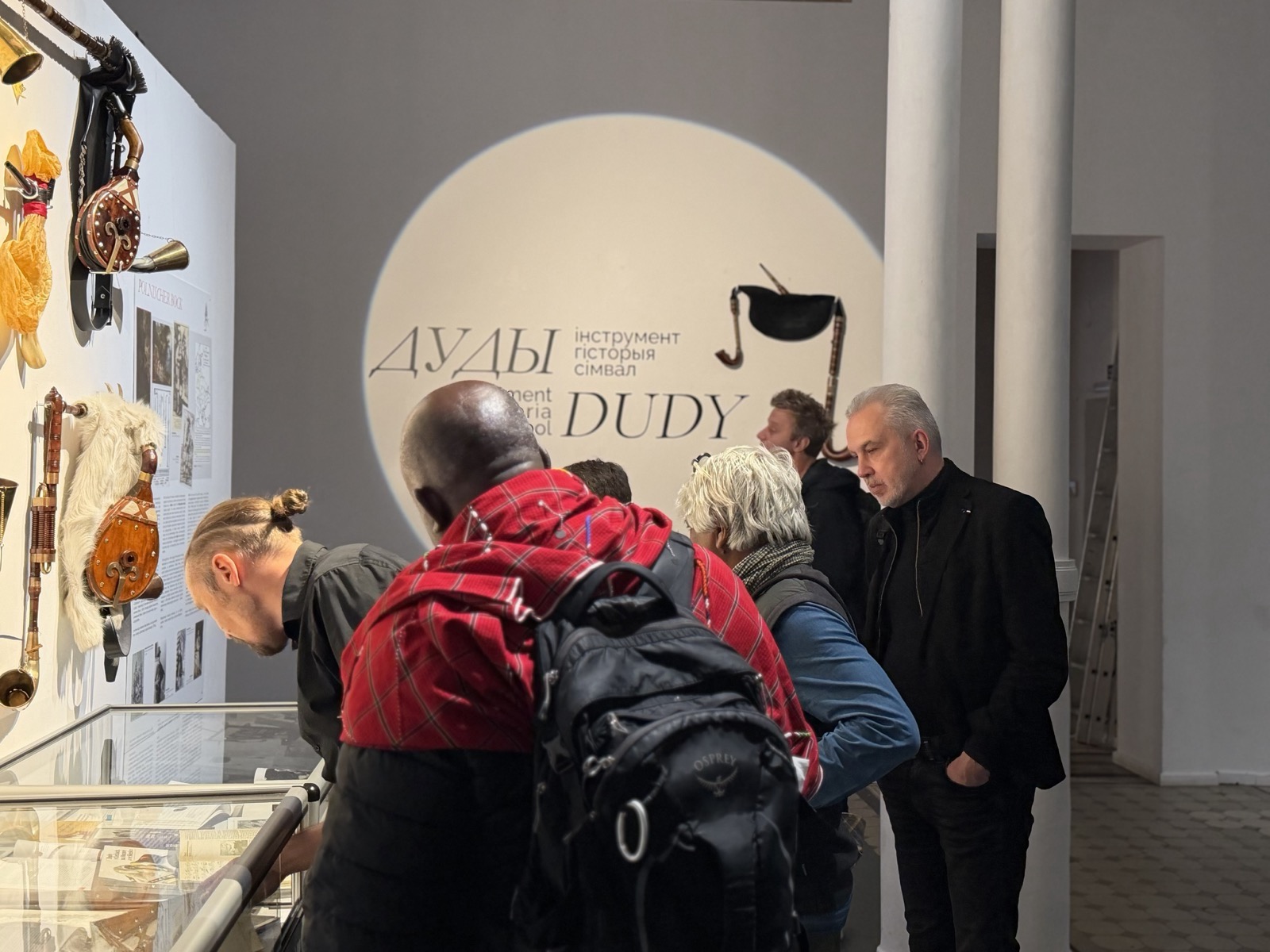
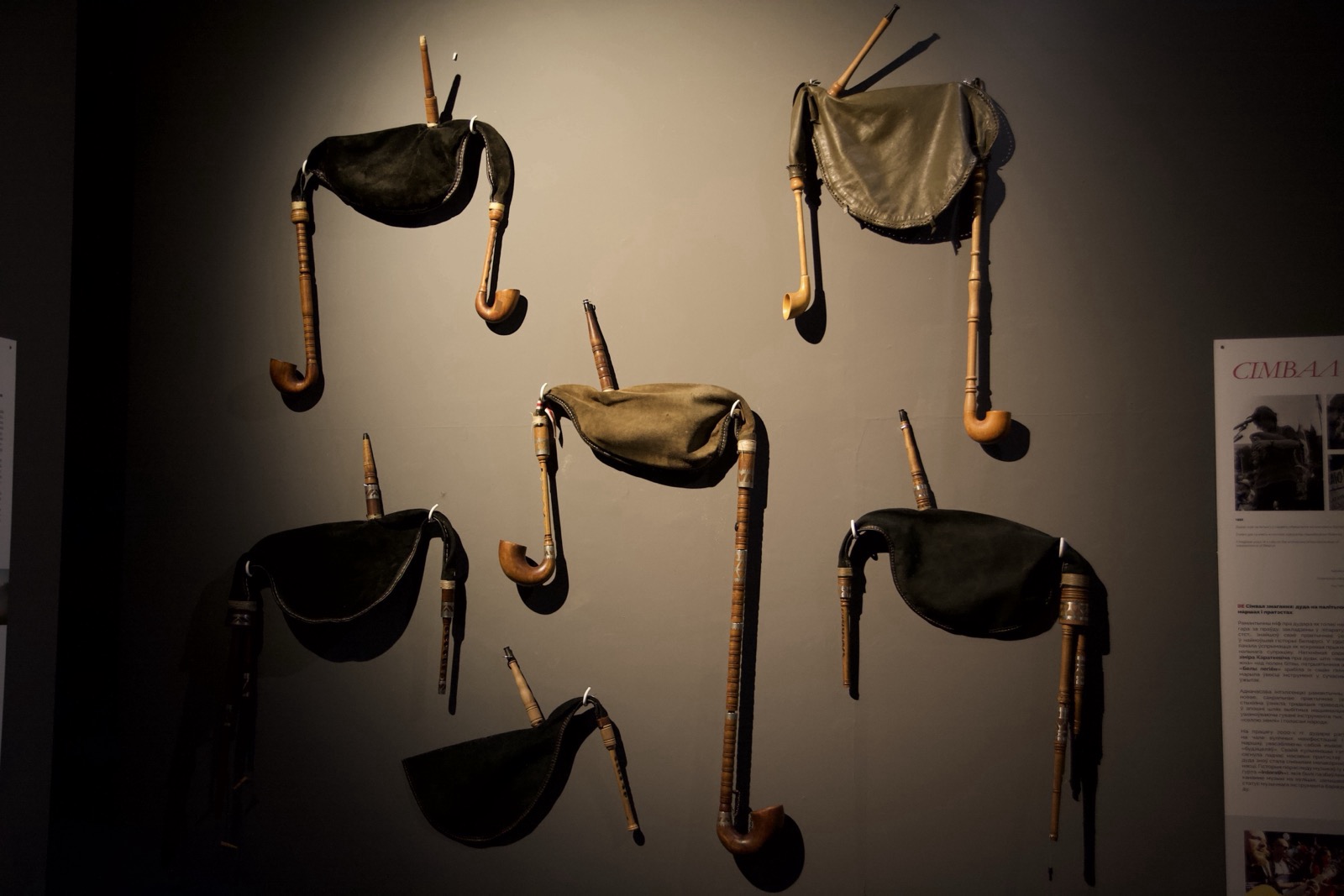
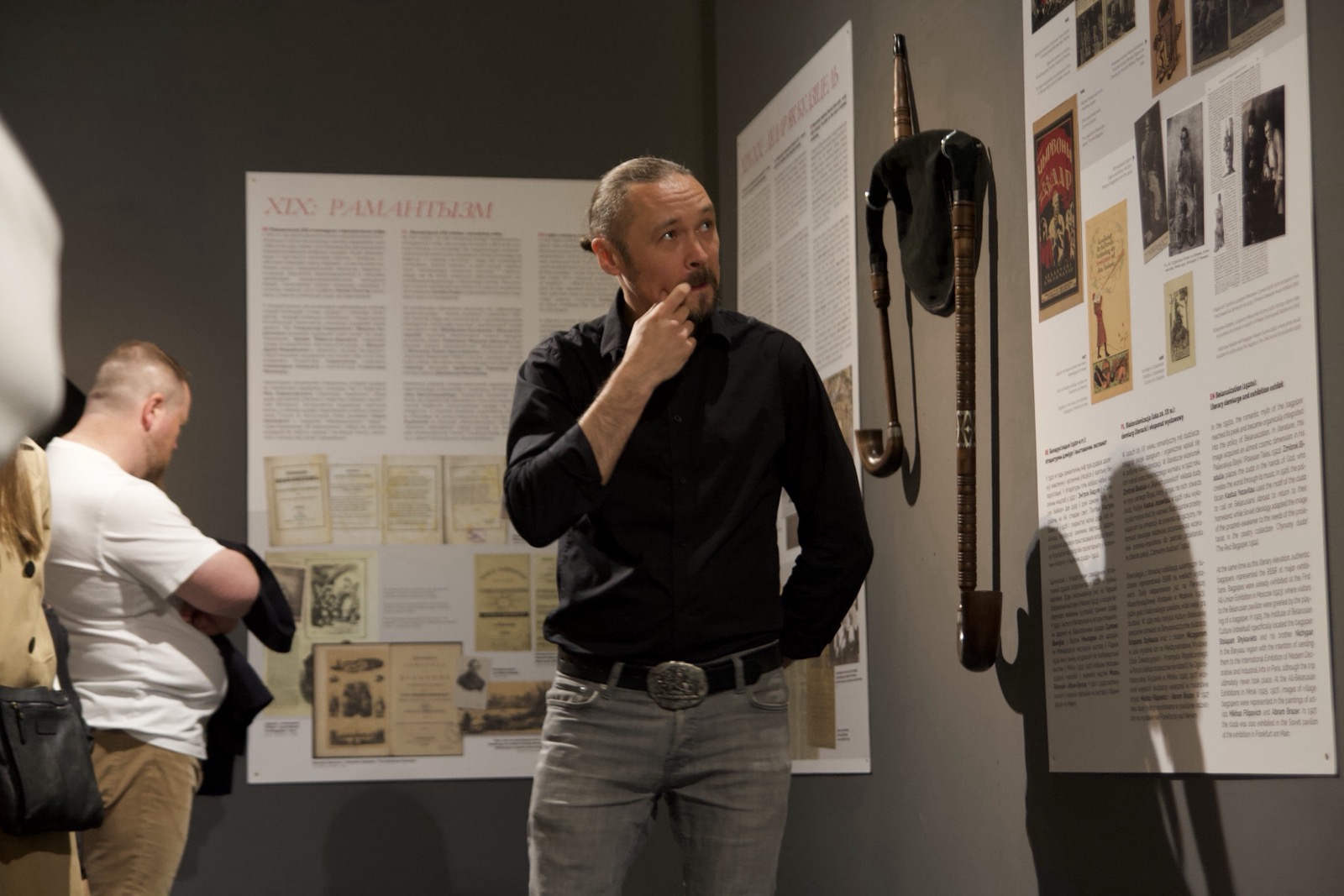
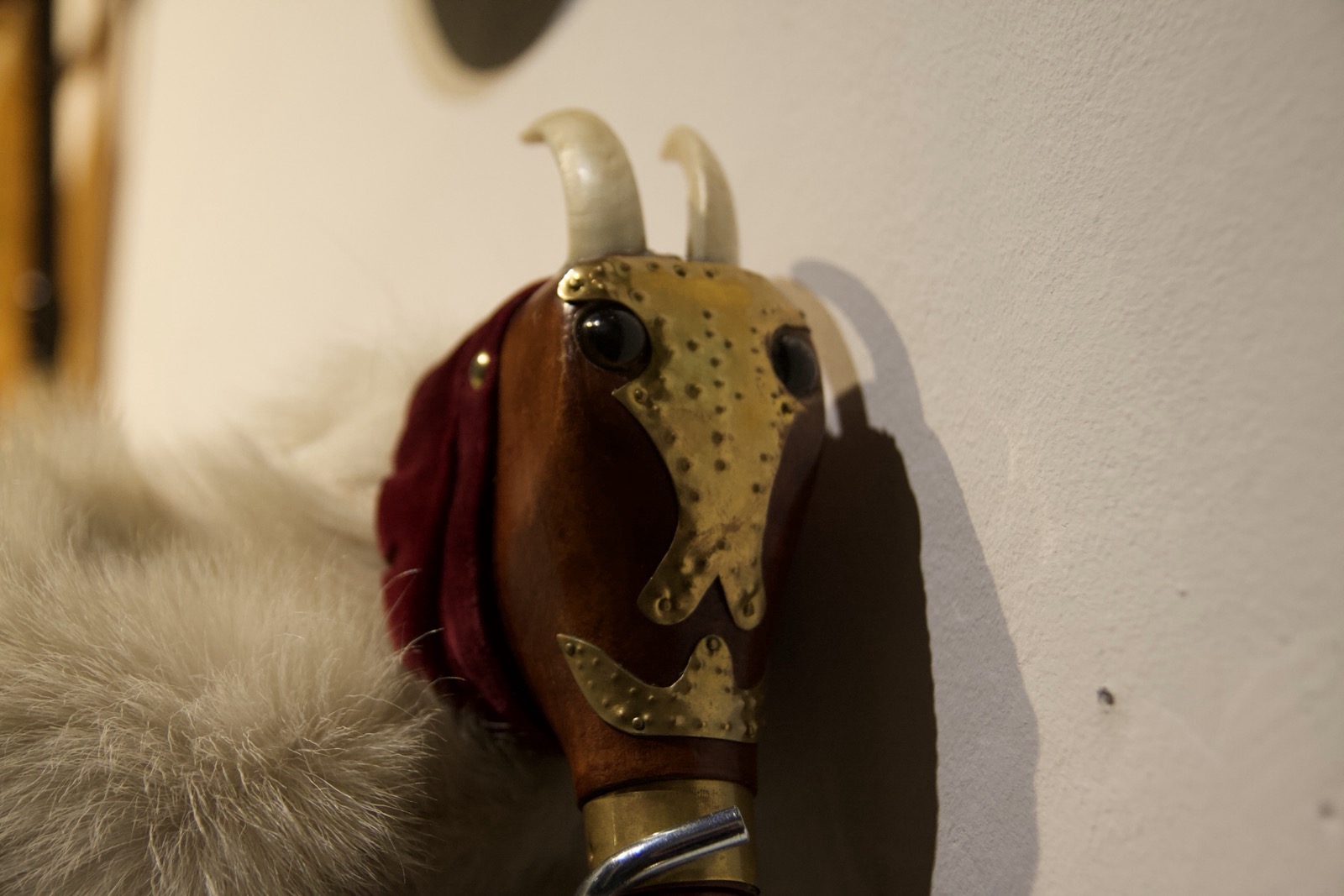
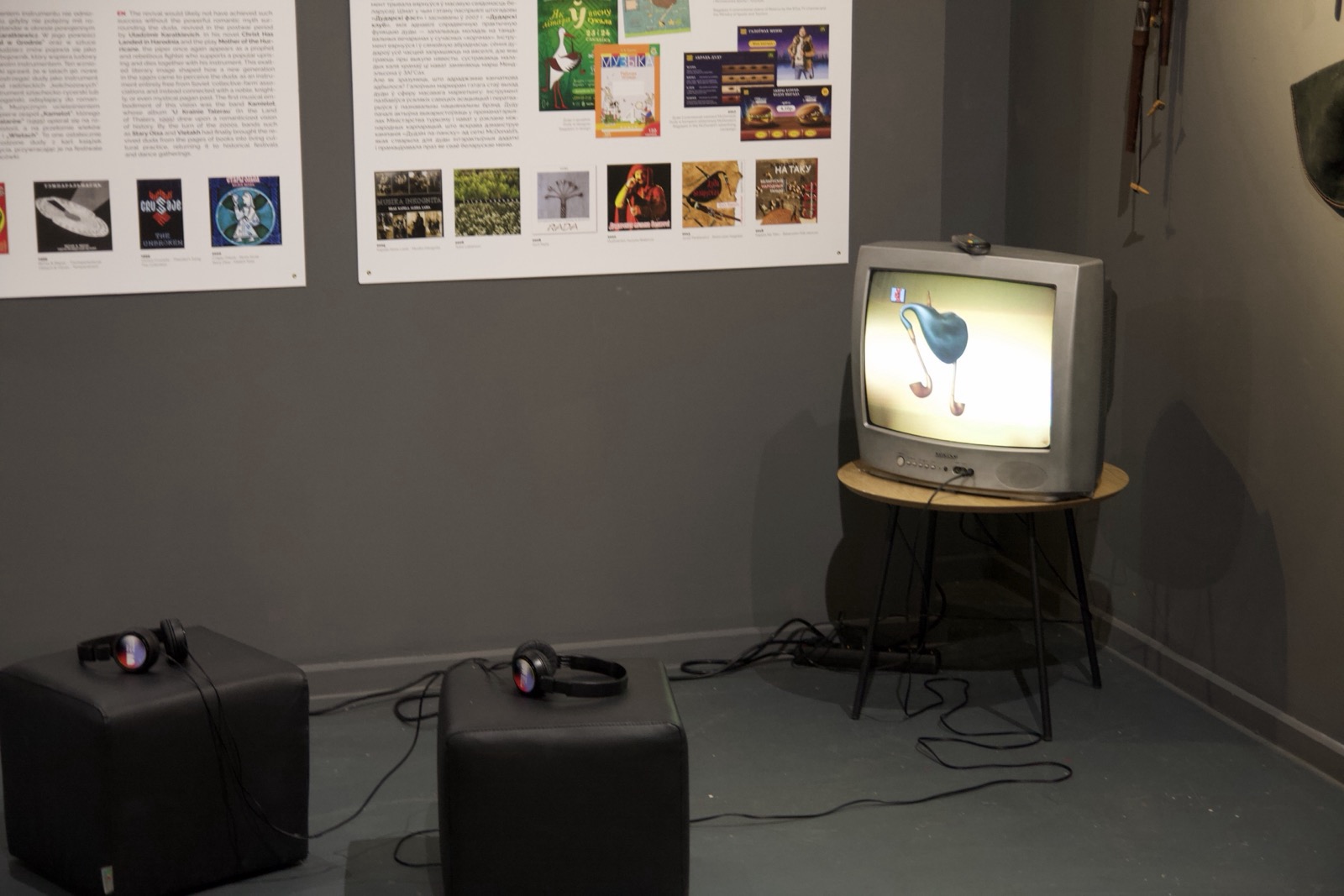
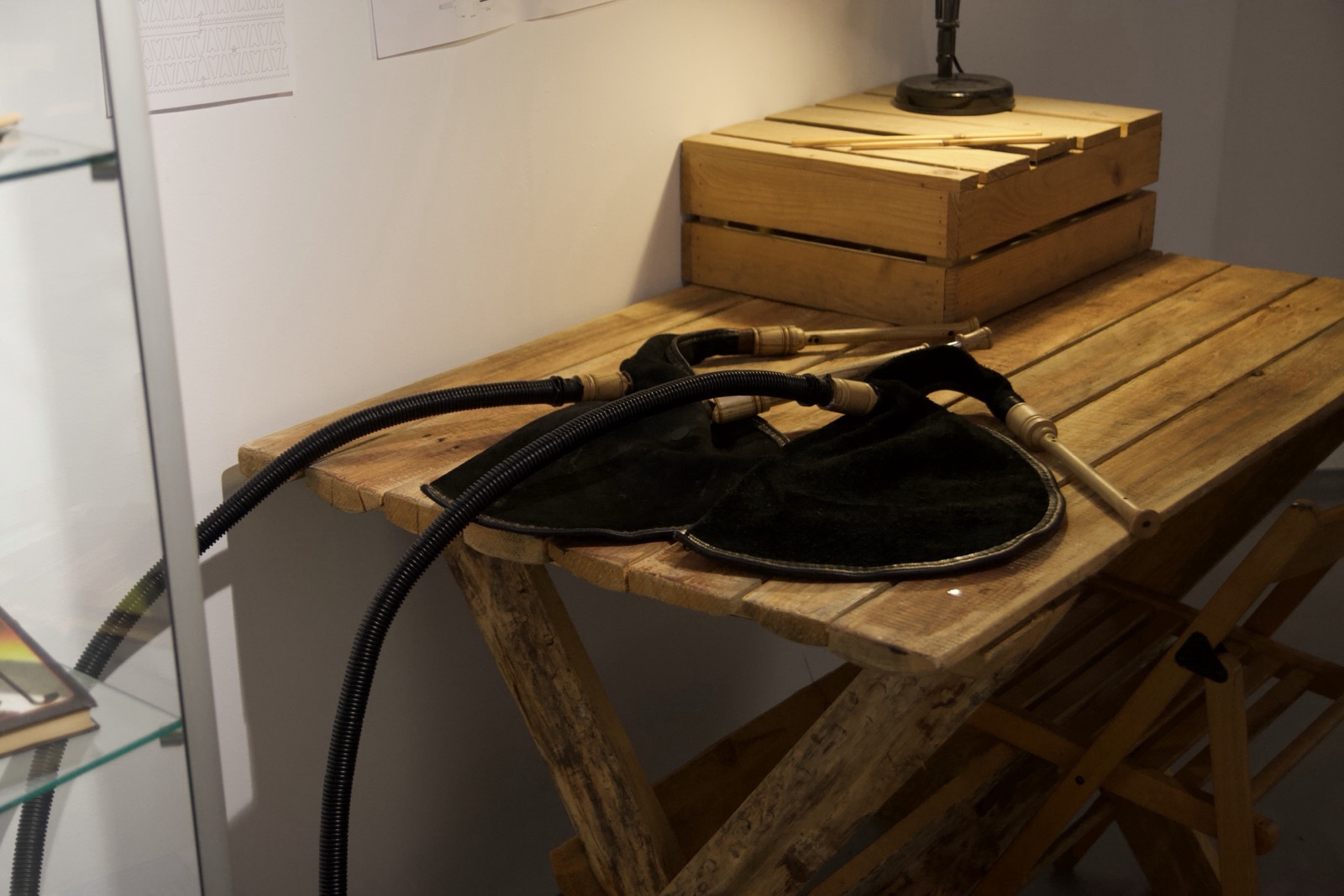
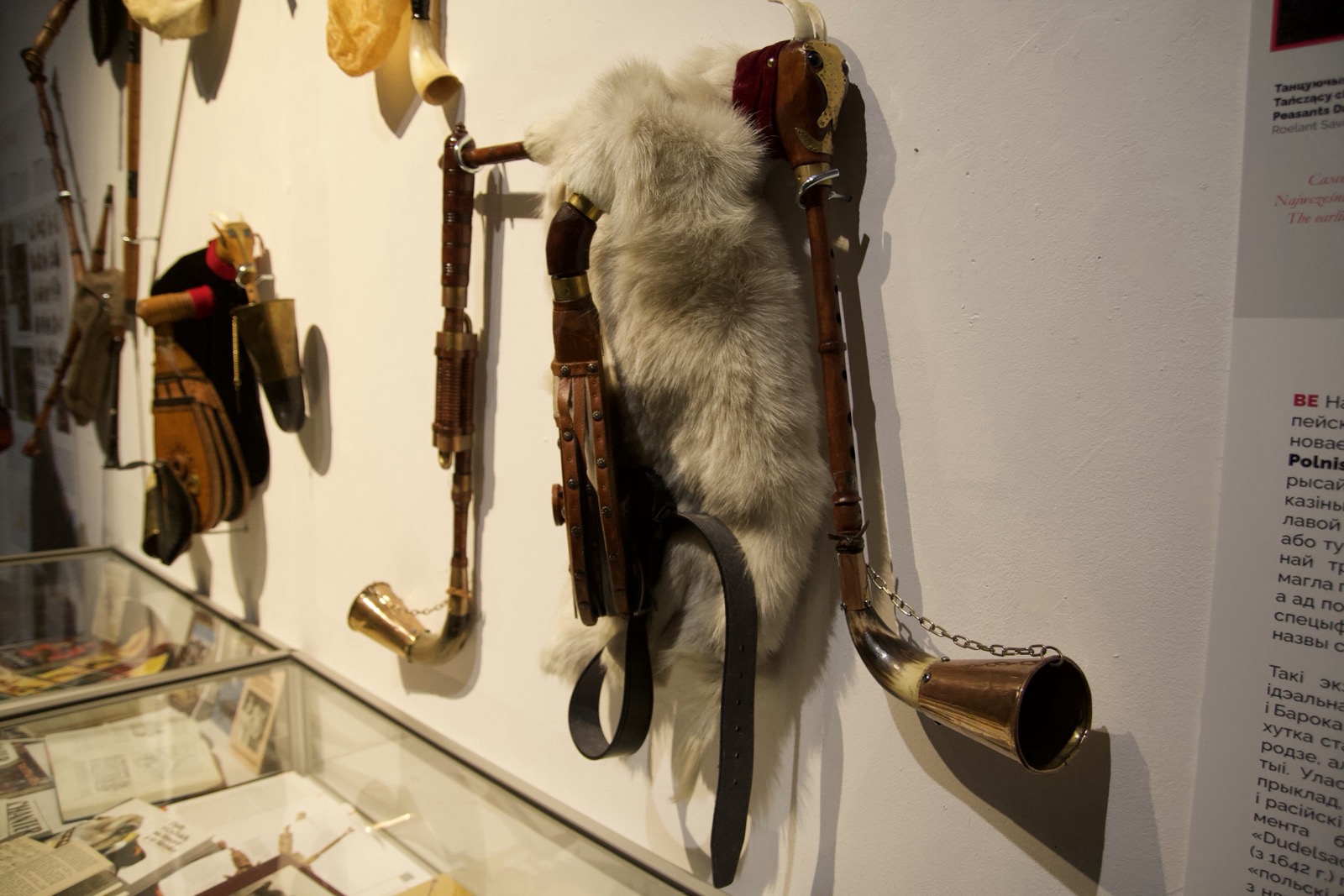
The exhibition presented the bagpipe not only as a musical instrument, but also as a cultural phenomenon. Visitors could see the instruments themselves, historical materials, maps and archival recordings, as well as hear the sounds of the bagpipe tradition from the past and present.
A separate section of the exhibition was dedicated to a bagpipe workshop, offering an insight into the process of making the instrument and helping visitors better understand its construction, sound and place in traditional culture.
The exhibition was presented in Belarusian, Polish and English.
The curator and author of the exhibition was Yauhen Baryshnikau, a musician, researcher and educator specialising in the bagpipe tradition. During curator-led tours, he spoke about how an instrument rooted in peasant culture can become a national symbol, how bagpipes feature in Belarusian cultural myths and literature, and what the revival of the tradition means today.
Night of Museums: A Belarus You Can Hear
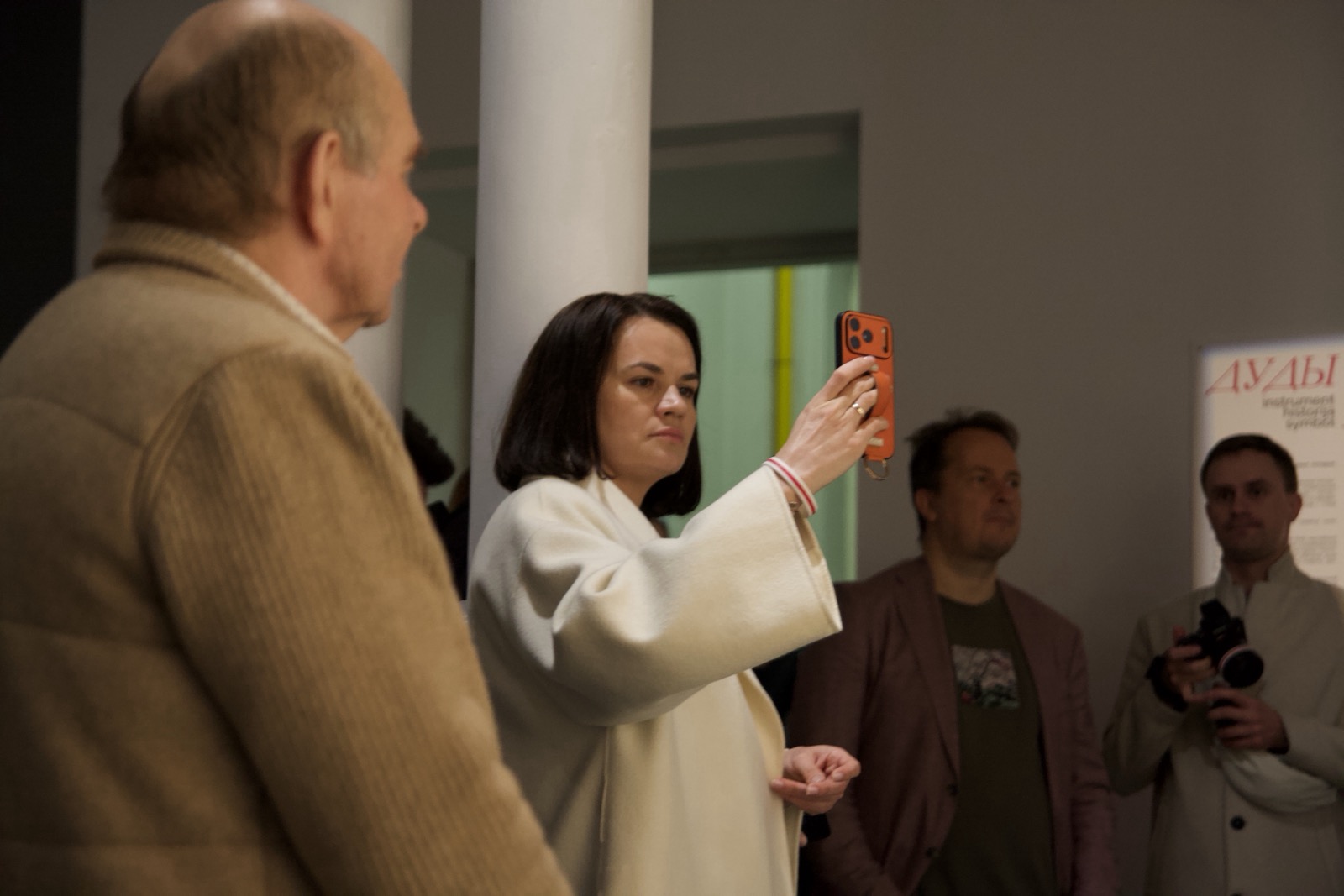
The exhibition opening took place as part of Warsaw Night of Museums 2026. For the first time, the Free Belarus Museum joined the official programme of this major city-wide cultural event.
The programme began with the opening of the exhibition and curator-led tours. In the evening, the museum became a space for hands-on exploration of the bagpipe tradition. During the “Bagpipe Workshop”, visitors could learn more about how the instrument is made and try their hand at playing the bagpipe.
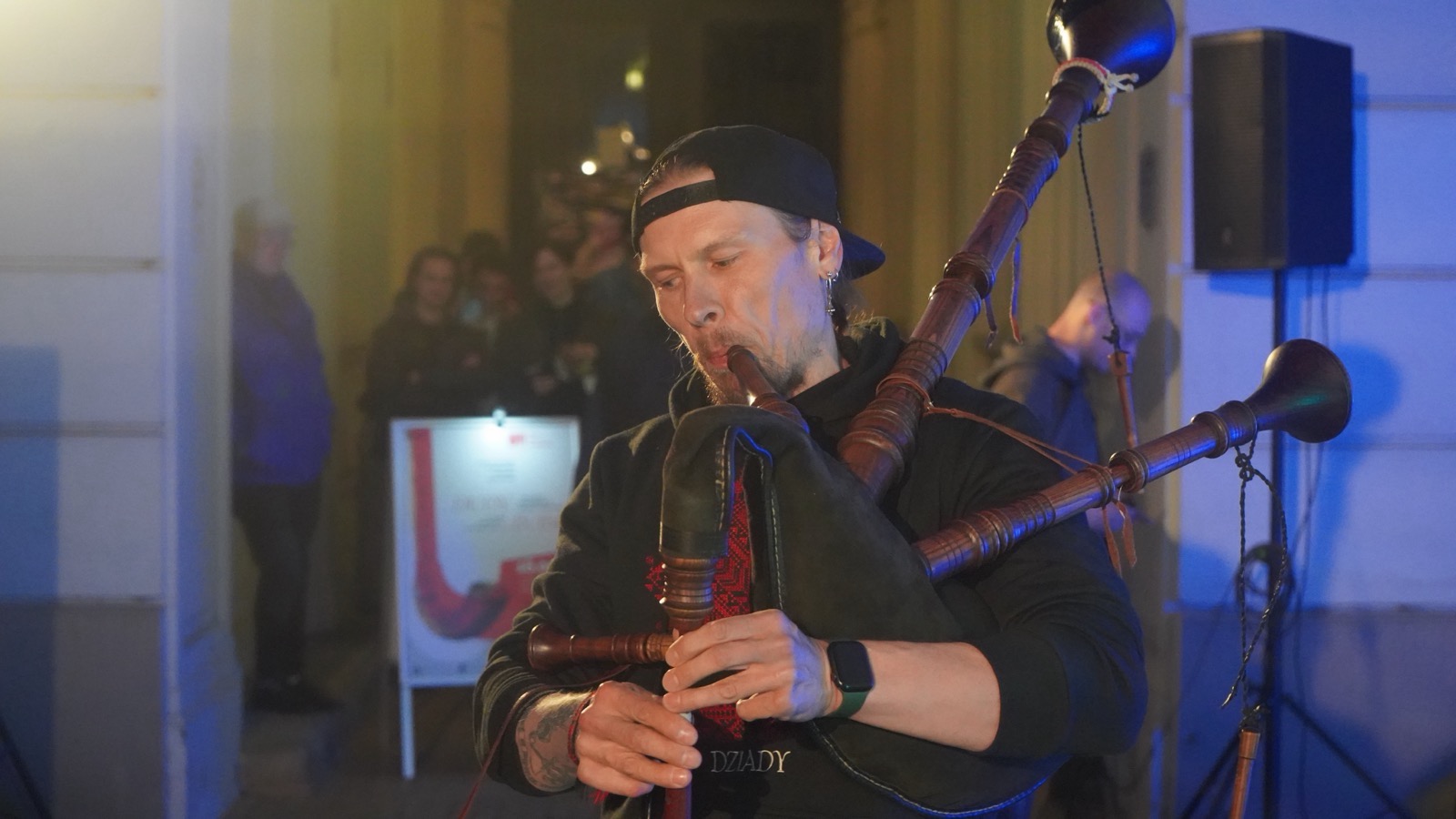
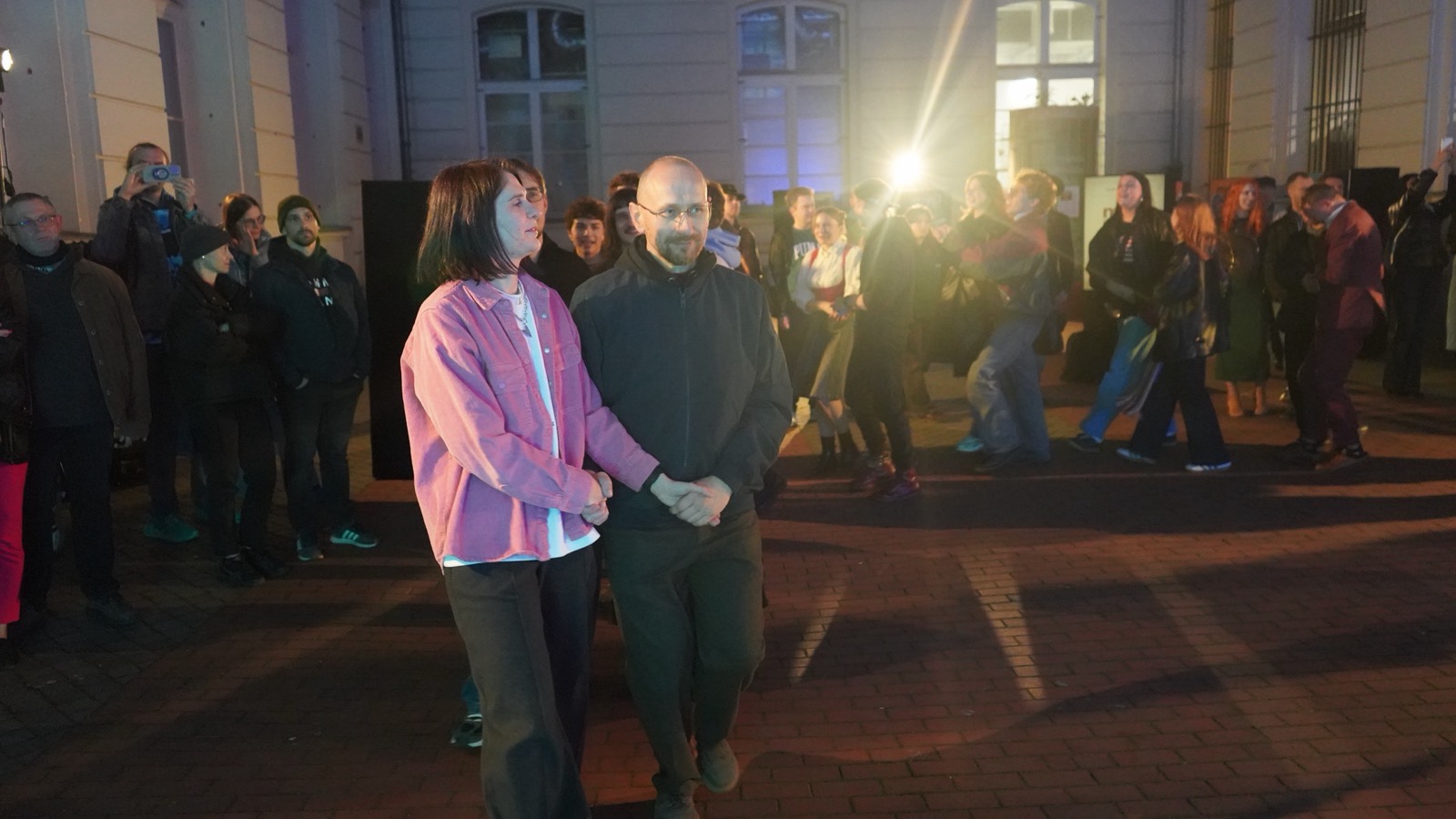
The night concluded with an open-air bagpipe concert and dance programme in the museum courtyard. The event brought together Belarusian, Polish and Ukrainian musicians, including members of Lity Taler, Yauhen Baryshnikau and Warszawskie Burdony, Polish musicians Karol Majerowski and Rafał Miśta, as well as bagpiper Alyaksei Shkurapatski, who introduced audiences to the Ukrainian bagpipe tradition.
The musical programme was inspired by the tradition of the Bagpipe Club — informal dance evenings that were regularly held in Minsk from 2007 onwards. A dance area was open during the concert, allowing visitors not only to listen to the music but also to join in the dancing.
In this way, the museum exhibition extended beyond the gallery space: a historical tradition was presented through live sound, movement, dance and direct audience participation.
The Project as a Space for Dialogue
One of the project’s aims was to demonstrate that the bagpipe tradition is not merely part of the past, but also a living cultural practice around which dialogue, education and the search for new forms of development continue today.
As part of the project, the Free Belarus Museum also welcomed an international group of fellows from the Richard von Weizsäcker Fellowship at the Robert Bosch Academy — researchers, politicians, curators, journalists, civil society representatives and experts from different countries around the world.
A guided tour of the museum and the “Bagpipes: Instrument, History, Symbol” exhibition was organised for the group. The discussion of the bagpipe tradition provided an opportunity to explore Belarusian history and contemporary life more broadly, including the events of 2020, repression, resistance and the resilience of Belarusian society.
A Conversation About the Future of Bagpiping
The final part of the project was an expert discussion devoted to the current challenges and future prospects of the Belarusian bagpipe tradition in Belarus and abroad.
Participants discussed different approaches to understanding the Belarusian bagpipe tradition today, the relationship between ethnographic and contemporary approaches, the development of bagpipe clubs, dance evenings and schools, the education of bagpipe players, as well as the opportunities and challenges involved in including the bagpipe tradition on intangible cultural heritage lists — at the national level and within the UNESCO framework.
The discussion featured Uladzimir Lobach, Professor and Doctor of Historical Sciences, ethnologist; Ala Stashkevich, an expert in intangible cultural heritage and the UNESCO Convention; and Dzianis Shmatko, bagpipe player and founder of a bagpipe school in Warsaw. The discussion was moderated by Yauhen Baryshnikau, a researcher of the bagpipe tradition.
The project thus became not only a story about the past, but also a space for discussing what the Belarusian bagpipe tradition can be in the present and in the future.
Results
As part of the Night of Museums programme, the Free Belarus Museum welcomed more than 460 visitors. The programme included four curator-led tours and three hours of dancing.
The project brought together an exhibition, research, education, live music and audience participation, presenting traditional culture as a dynamic phenomenon that continues to evolve and acquire new meanings.
“Bagpipes: Music of the Past and Present” demonstrated how a museum can not only preserve cultural heritage, but also create conditions for experiencing, reinterpreting and passing that heritage on to future generations.
The project was funded by the City of Warsaw.
Propose
A theme or work for future exhibitions
Do you have an idea or a work you would like to present? Join in creating future exhibition projects.