

Implementation period: 1 November 2025 – 31 October 2026
The project aims to strengthen the sustainability and organisational development of the Free Belarus Museum in Warsaw — a Belarusian cultural institution that collects, preserves and presents artefacts and testimonies of contemporary Belarusian history, while also developing the museum as a space for education, culture and international dialogue.
The project focuses on improving the museum’s organisational structure, developing strategic planning, better understanding the needs of its audiences, expanding communication and exploring new opportunities to strengthen its financial sustainability.
One of the main objectives of the project is to establish a more stable and systematic model of the museum’s work.
As part of the project, two key documents were developed and updated: the Development Concept of the Free Belarus Museum and the Development Strategy of the Free Belarus Museum for 2026–2028. The documents underwent expert assessment and were published on the museum’s website.
A new staffing structure was also developed and responsibilities within the team were clarified. Employees’ duties were clearly defined in their employment agreements, helping to organise the team’s work more effectively and reduce multitasking.
Updating the museum’s statute is also part of the project. During the reporting period, the document underwent a second legal review, and this work is therefore continuing.
To better understand the needs of the museum’s visitors and audiences, research was conducted into their interests and needs. 50 people took part in the research. Its findings became one of the elements informing the development of the museum’s communication.
The project also strengthened the museum’s external communication capacity. Communication is carried out through Instagram and Facebook, and since April 2026 through the museum’s new website.
Since February 2026, the museum has also been producing a monthly newsletter in three languages — Belarusian, Polish and English. It is distributed among the museum’s partners and donors, as well as independent Belarusian media.
The project also includes the development of a dedicated communication strategy for the museum. Its initial version was prepared and subsequently sent for further revision following expert analysis.
An important result of the project was the launch of a new communication channel — the Free Belarus Museum website.
According to Google Analytics, between 4 April and 27 May 2026 the website had more than 1,200 active users, including around 1,100 new users. In May, the largest number of visitors came from Poland. Users from the United States, Singapore, Germany, the Netherlands, Italy and Sweden were also recorded.
The website is regularly updated with content in Belarusian, Polish and English, with an average of 4–5 new pieces of content per week.
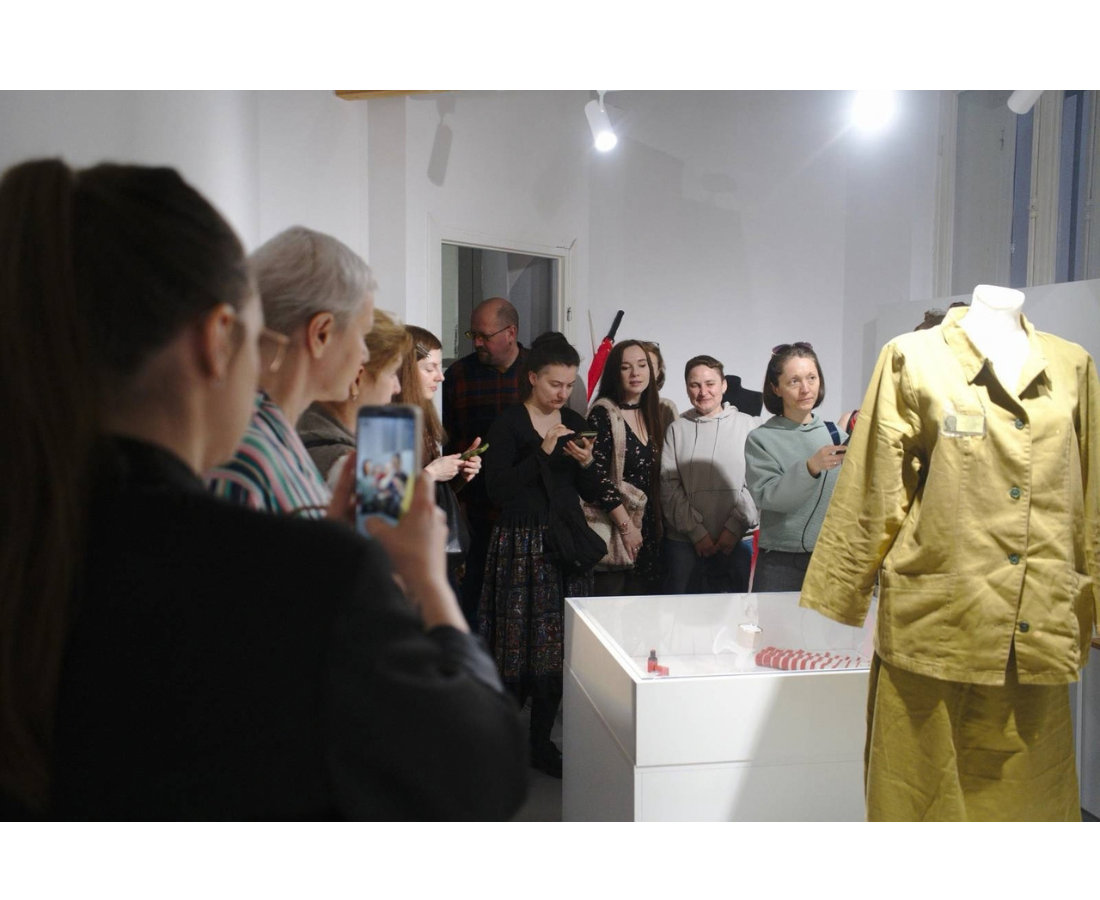
Between January and May 2026, the museum welcomed 3,823 visitors, 2% more than during the same period in 2025.
More than 400 people also visited exhibitions presented by the museum outside Warsaw — at the Baobab cultural centre in Lublin and at the Museum of Independence in Warsaw.
The total reach of the project during the reporting period was 204,000, including approximately 200,200 virtual visits to the museum’s social media pages and website between March and May 2026.
The project has also contributed to more systematic planning of the museum’s activities: an annual exhibition plan is being developed, monthly event and media plans are prepared, and an open call for artistic projects has been organised.
Another area of the project is exploring additional opportunities to strengthen the museum’s financial sustainability.
As part of the project, paid group tours in Belarusian, Polish and English were developed and tested. Tour materials and service cost calculations were prepared.
At the testing stage, the English-language tour proved to be the most in demand. A pilot tour generated €300 in revenuefor the museum. Further testing will allow the museum to assess demand and improve the service model.
The team is also developing new skills related to paid services and their promotion. Between 80% and 100% of the project team participated in training sessions.
The next stage of the project includes testing crowdfunding as an additional financing mechanism for the museum.
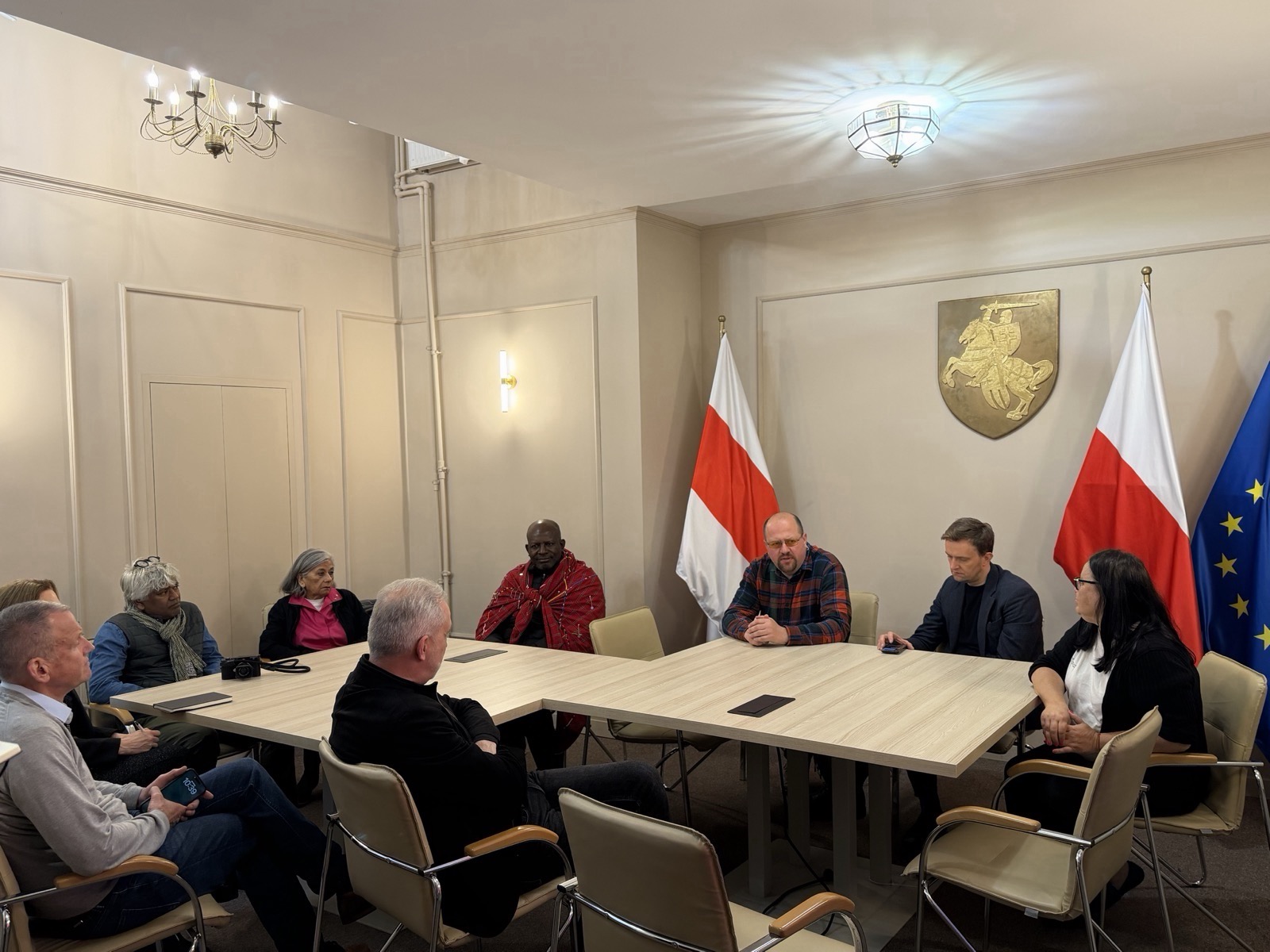
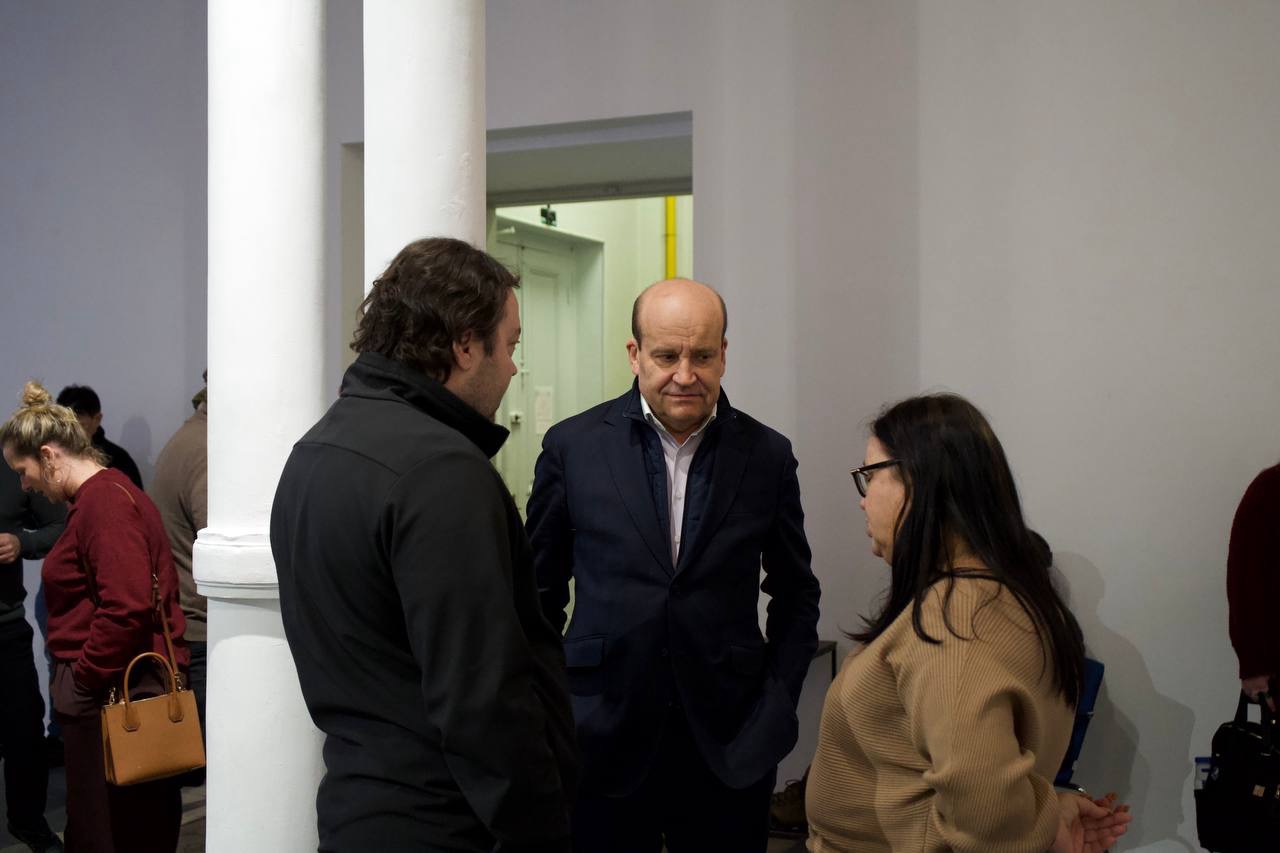
The project also supports the development of the museum’s professional network. During the reporting period, external experts were invited to contribute to the project, and the museum participated in professional networks of Belarusian and European cultural actors.
Expanded cooperation with Polish cultural institutions has already enabled the museum to organise events outside its Warsaw premises, including in Lublin and Warsaw. These activities have also helped the museum reach new audiences and develop potential partnerships.
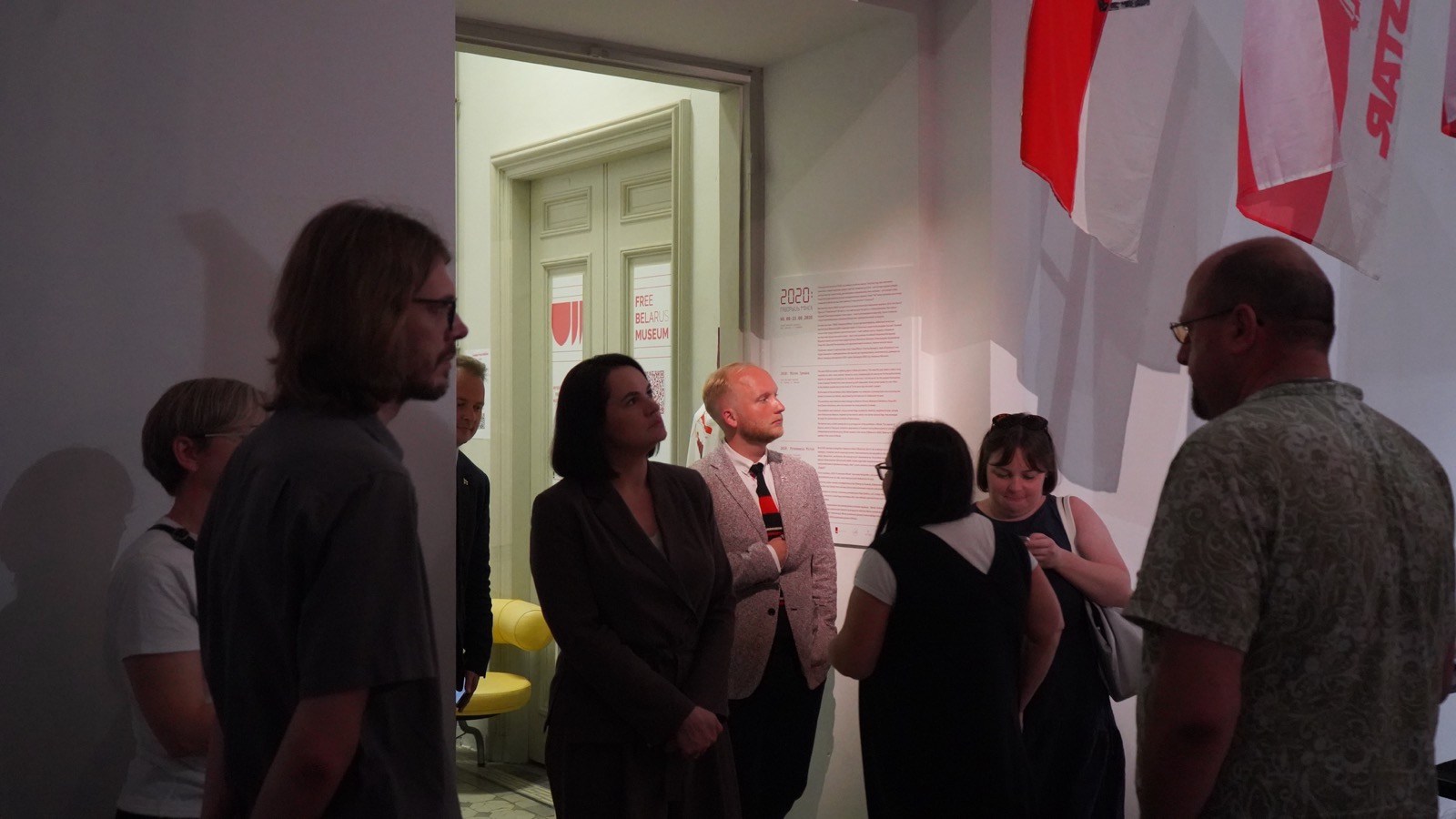
During the first half of the project, the Free Belarus Museum took a number of steps towards a more systematic and sustainable model of operation: strategic documents were developed, the organisational structure was improved, audience research was conducted, a new website was launched and communication tools were expanded.
At the same time, the museum is testing new paid services, developing professional partnerships and exploring additional mechanisms for strengthening its financial sustainability.
The project runs until 31 October 2026, so some of the planned results are still being implemented. Its long-term objective is to create tools that will continue to support the museum after the project ends: strategic documents, a communication system, new services, partnership networks and a more stable organisational structure.
The project is implemented within the ArtPower Belarus programme with institutional support from the European Union.


