

From 1 December 2025 to 31 July 2026, the Free Belarus Museum implemented the project “Musealisation of Protest Artefacts in Belarus”. Its main aim was to preserve material and digital testimonies of democratic protests in Belarus and to establish safe mechanisms for transferring such artefacts into museum collections. The project has now been completed, and its results significantly exceeded the targets initially set.
One of the project’s key achievements was the development of a new museum collection. Instead of the planned 50 objects, the Museum acquired at least 143 items directly connected with Belarus.
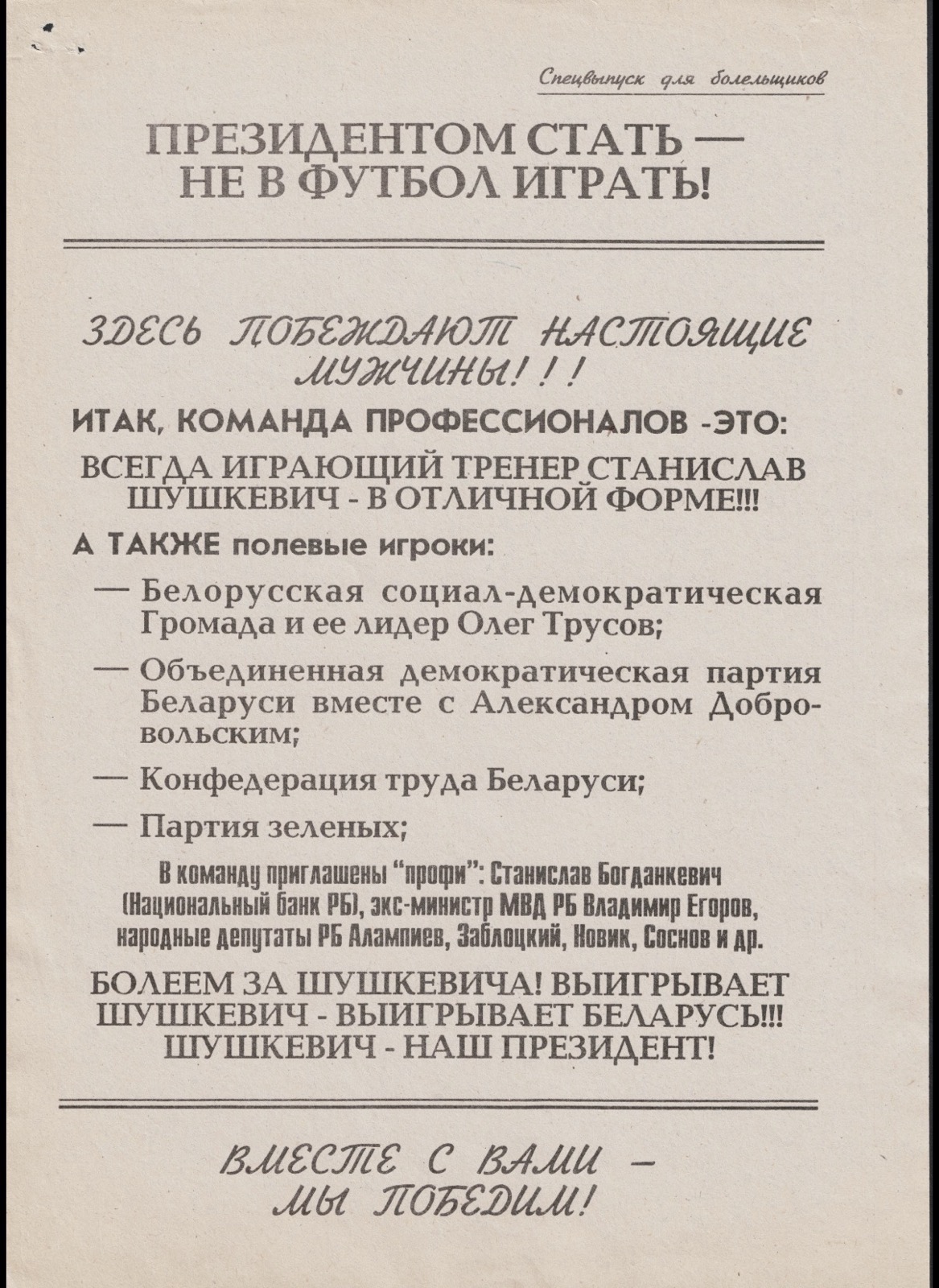
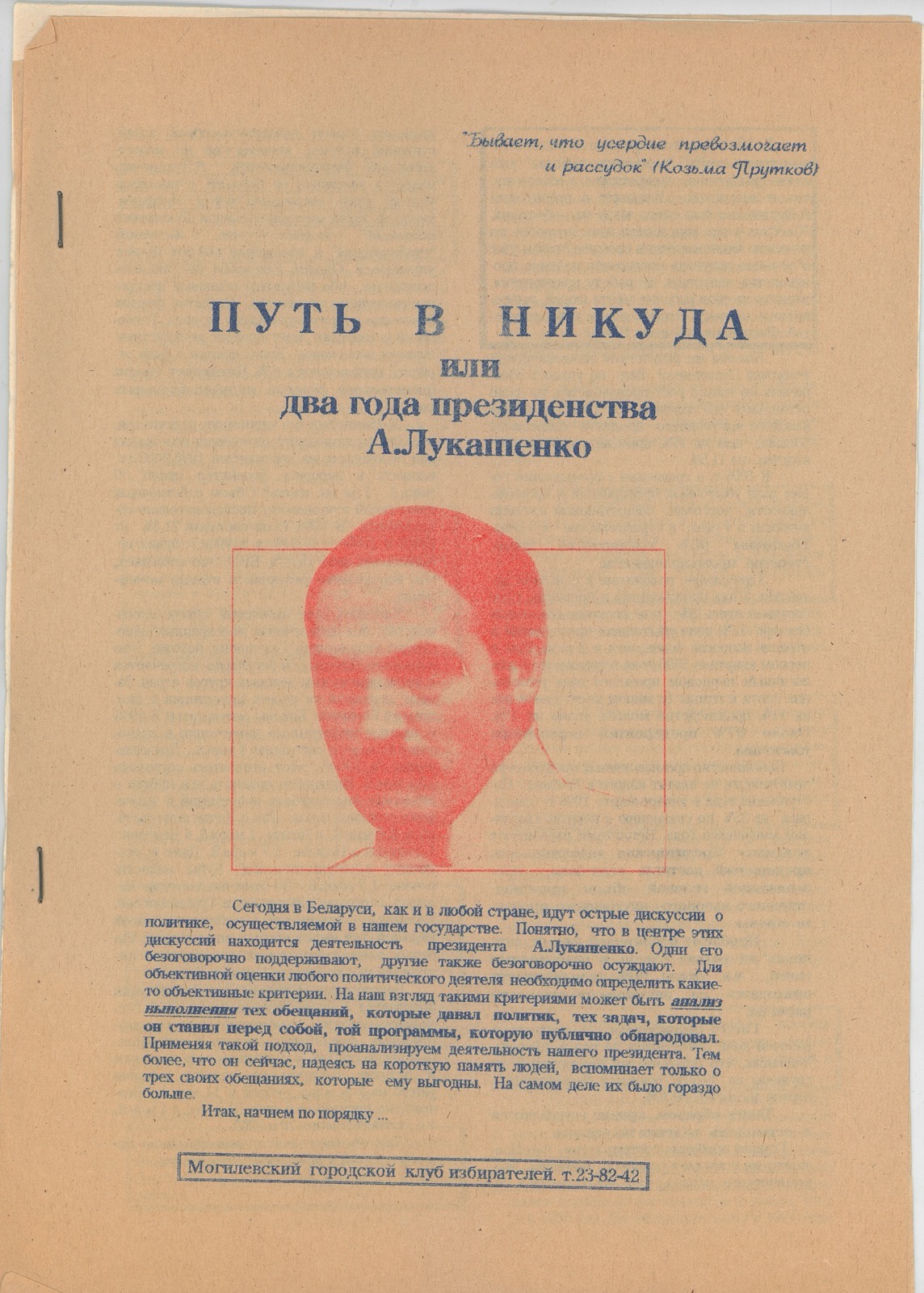
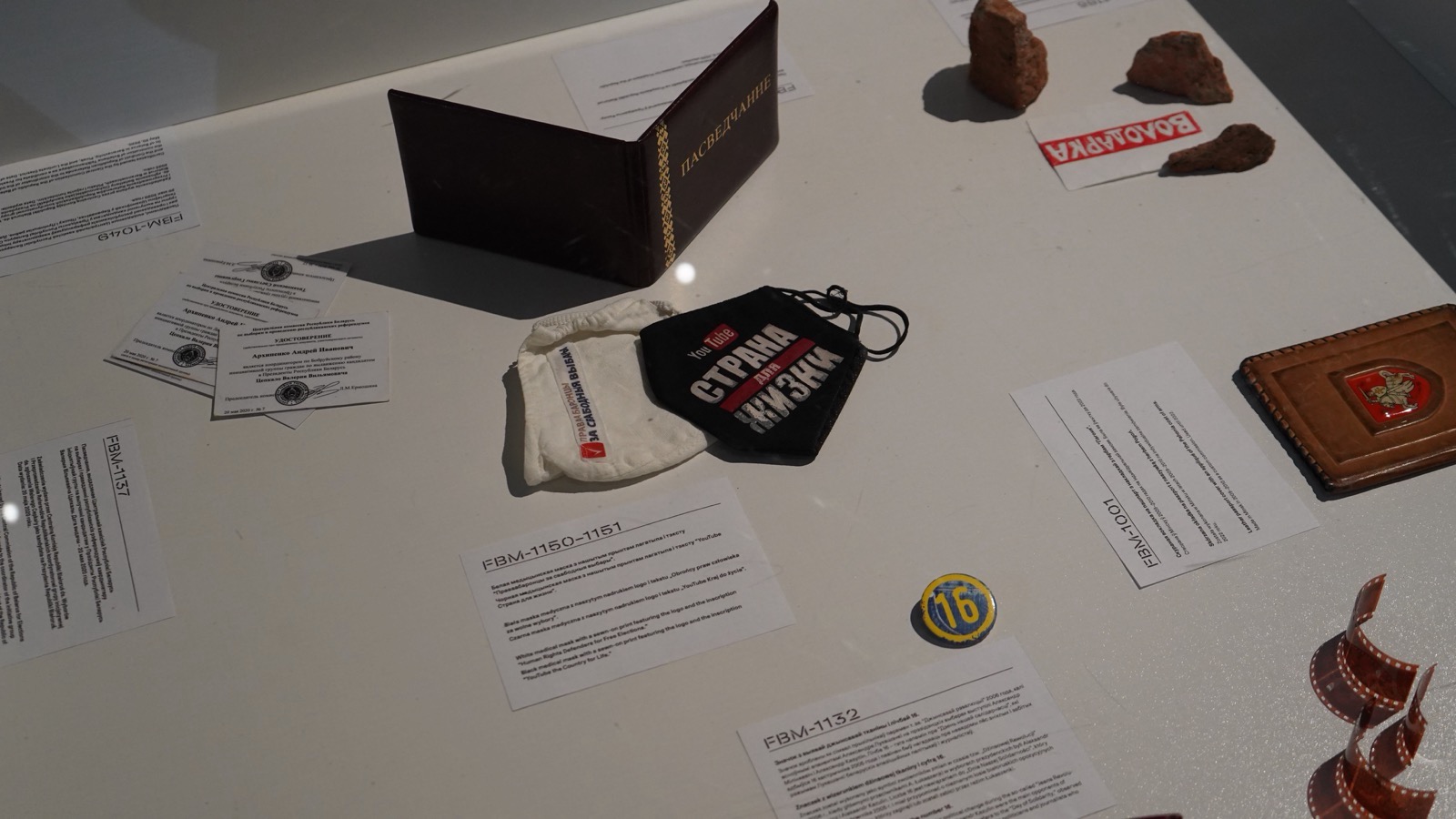
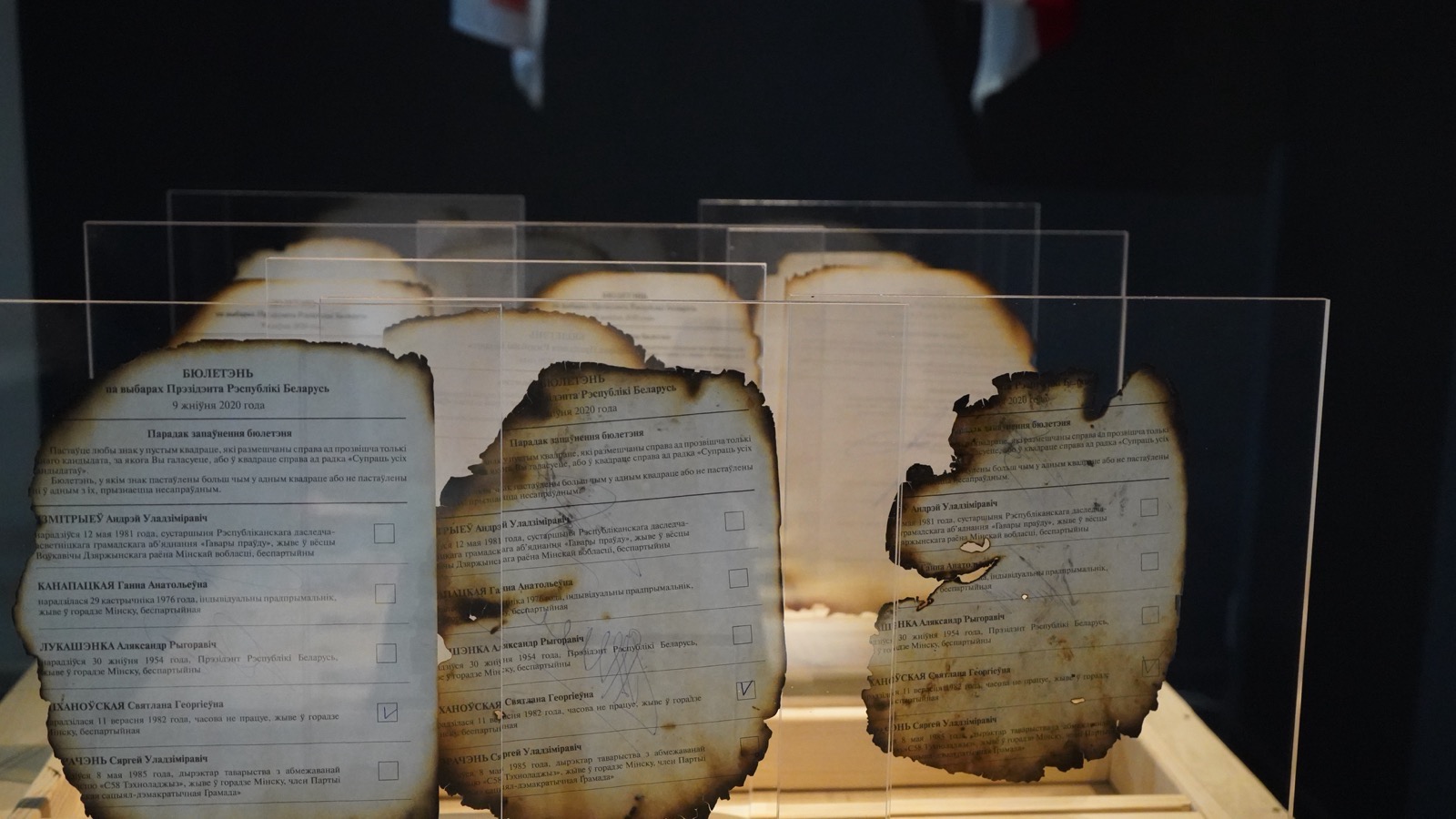
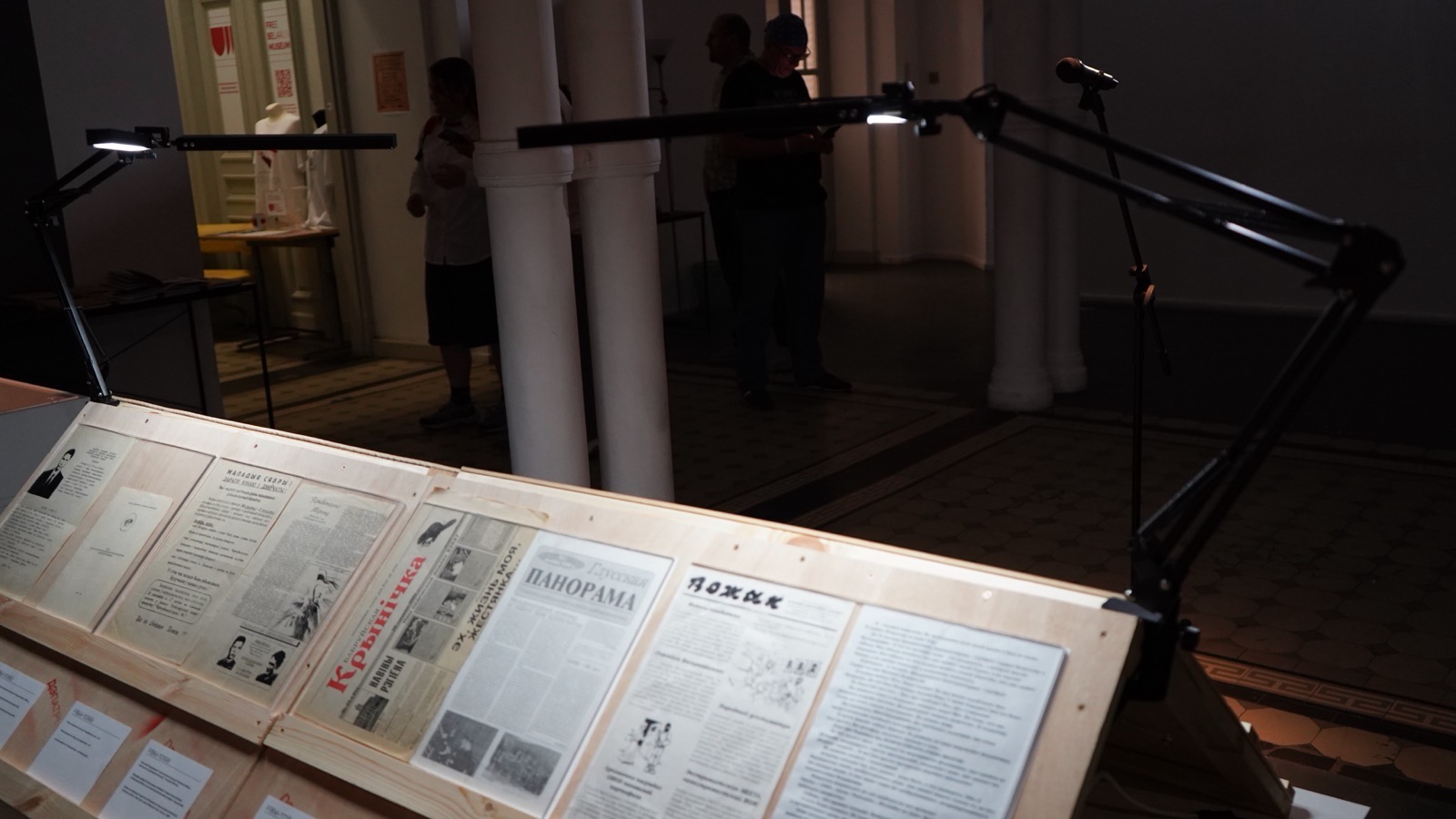
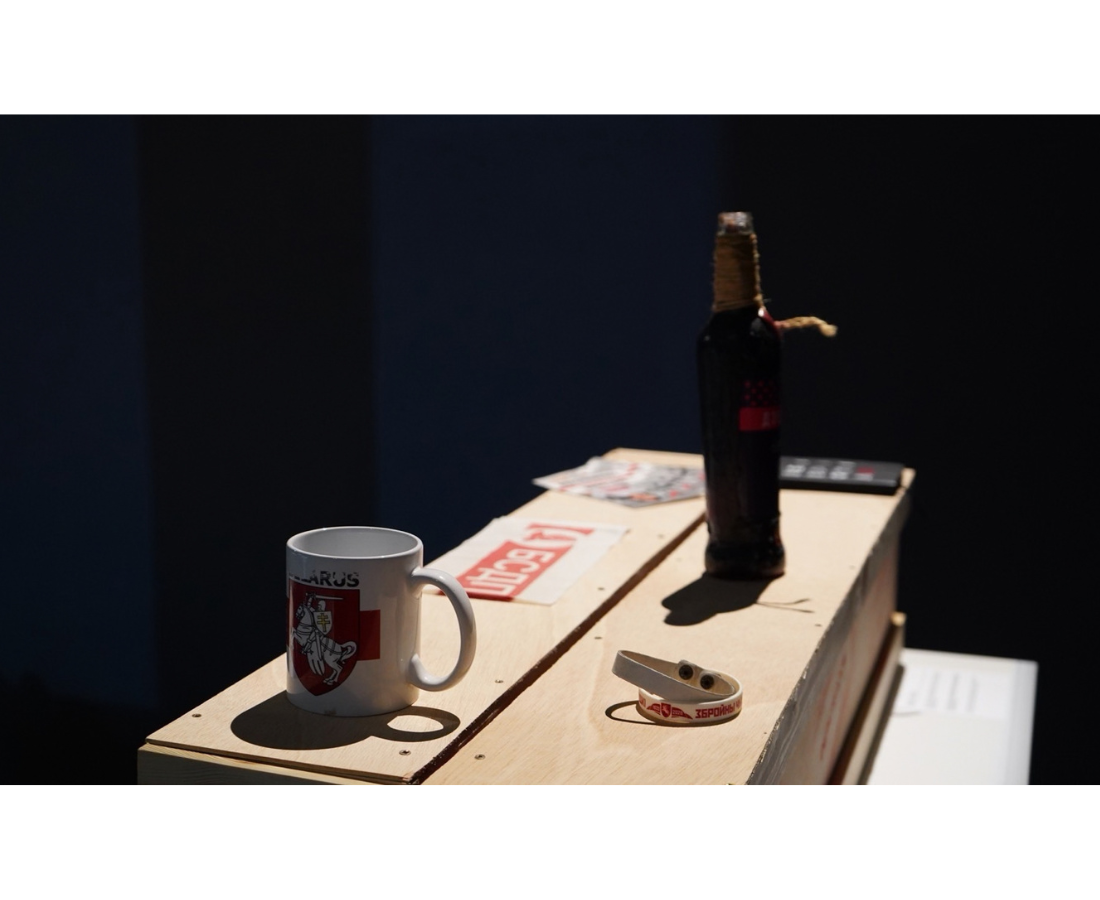
In total, the physical collection created and entered into the Museum’s inventory register as part of the project comprises 303 objects grouped into 181 inventory entries. These include materials related to the 2020 election campaign, personal belongings, objects connected with the protests, artworks, archives, and other testimonies of Belarus’s recent history.
The project also resulted in the acquisition of three large electronic archives: the protest Telegram channels archive (4,369 files), the dve.chat archive (851 files), and an archive of images documenting Belarusian red-and-white national symbols in the streets of Minsk (1,868 files). The Museum’s collection has therefore been expanded not only through physical objects, but also through a significant body of digital evidence.
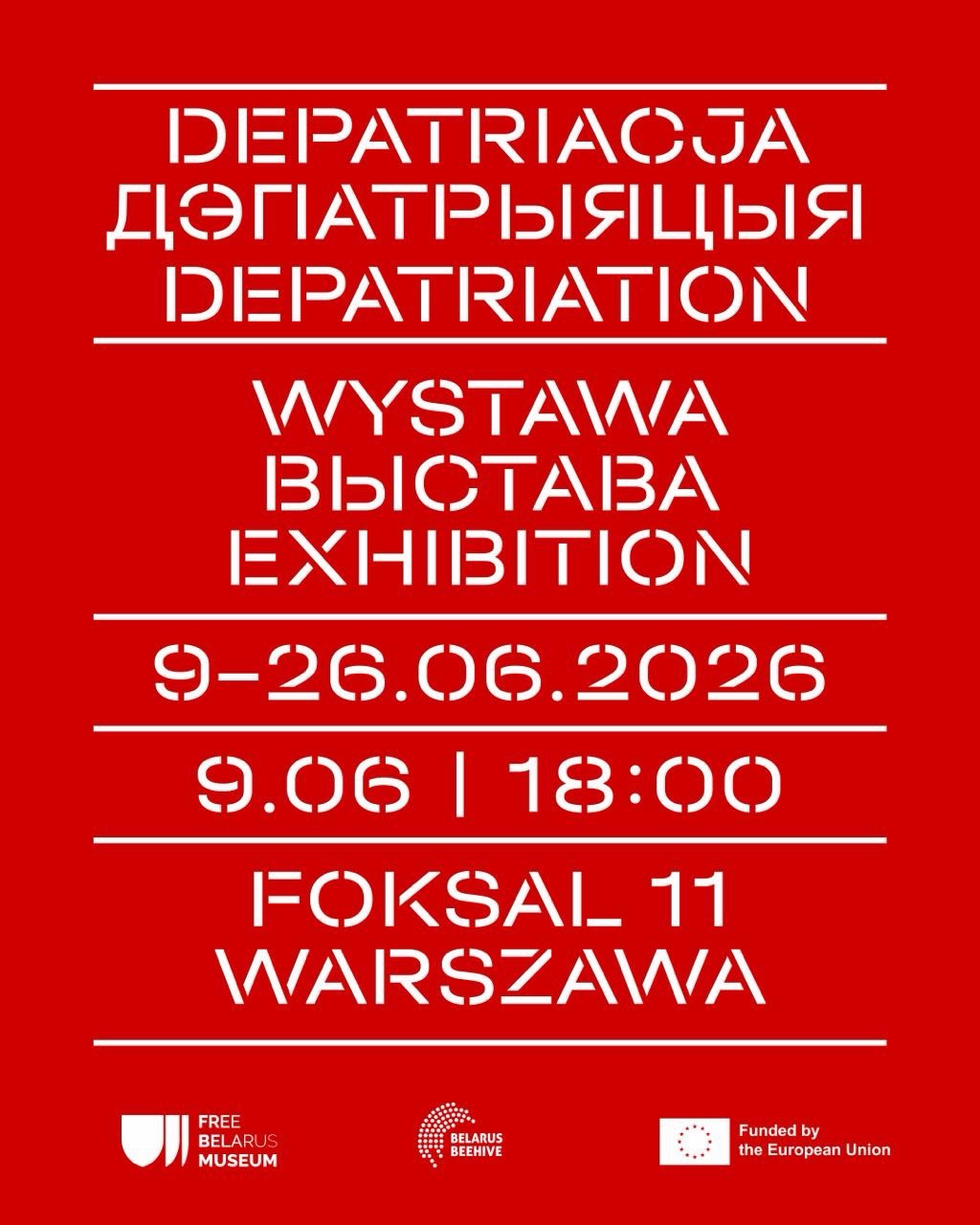
A significant part of the objects collected through the project was presented in the exhibition “Depatriation”, held in Warsaw from 9 to 26 June 2026.
The exhibition was visited by 338 people. It was covered by independent Belarusian media, including Belsat, Nasha Niva, Radio Free Europe/Radio Liberty, MOST and Budźma, as well as Polish media, including Onet.pl and Polish Radio. A catalogue was also published following the exhibition.
The title “Depatriation”, proposed by the Museum’s creative team, received positive feedback from visitors and representatives of the academic community and became part of the contemporary cultural vocabulary used to reflect on the fate of Belarusian protest artefacts.
An important outcome of the project was not only the expansion of the Museum’s collection, but also the development of practical mechanisms for the safe transfer and preservation of artefacts.
The Museum developed and tested security protocols and logistical procedures that can be used in its future work with objects and materials originating from Belarus. Particular attention was paid to secure communication with people in Belarus and to providing different levels of involvement depending on the risks involved.
The project also demonstrated that a museum collection documenting contemporary history cannot be limited to physical objects. Electronic archives, datasets and digital materials were incorporated into the Museum’s work, requiring new approaches to their registration, preservation and use.
As part of the project, two educational materials were created on the principles of preserving and digitising artefacts in domestic conditions. Together, they received approximately 10,300 views, helping to make knowledge about preserving historical materials available to a wider audience.
The project therefore produced not only new museum objects, but also knowledge, procedures and tools that the Museum can continue to use in its work.
Another important outcome was the development of communication with people in Belarus. During the project, the Museum maintained contact with 30 people in Belarus. Some expressed their willingness to engage in long-term cooperation and continue supporting the Museum’s activities.
The project also provided a better understanding of the different reasons why people choose to preserve or transfer artefacts. For some, a physical object has not only historical value but also personal or symbolic significance. This experience has become an important basis for further research and reflection on the memory of the 2020 protests.
The end of the project does not mean the end of work with the materials collected. On the contrary, the new collection has already become a foundation for the Museum’s further exhibition and research activities. Some of the acquired materials have opened up opportunities for new exhibitions and projects.
The “Musealisation of Protest Artefacts in Belarus” project demonstrated that preserving evidence of Belarus’s recent history is about more than collecting objects. It also means developing safe ways of transferring them, advancing new museum practices, working with digital archives, and preserving the personal stories of the people behind each artefact.
The project has come to an end, but the collection, tools and relationships developed through it have become part of the Free Belarus Museum’s ongoing work to preserve the memory of Belarus’s democratic movement.