After Totalitarianism: Museum, Memory, and the Belarusian Perspective. International Scientific and Practical Conference
November 9, 2026
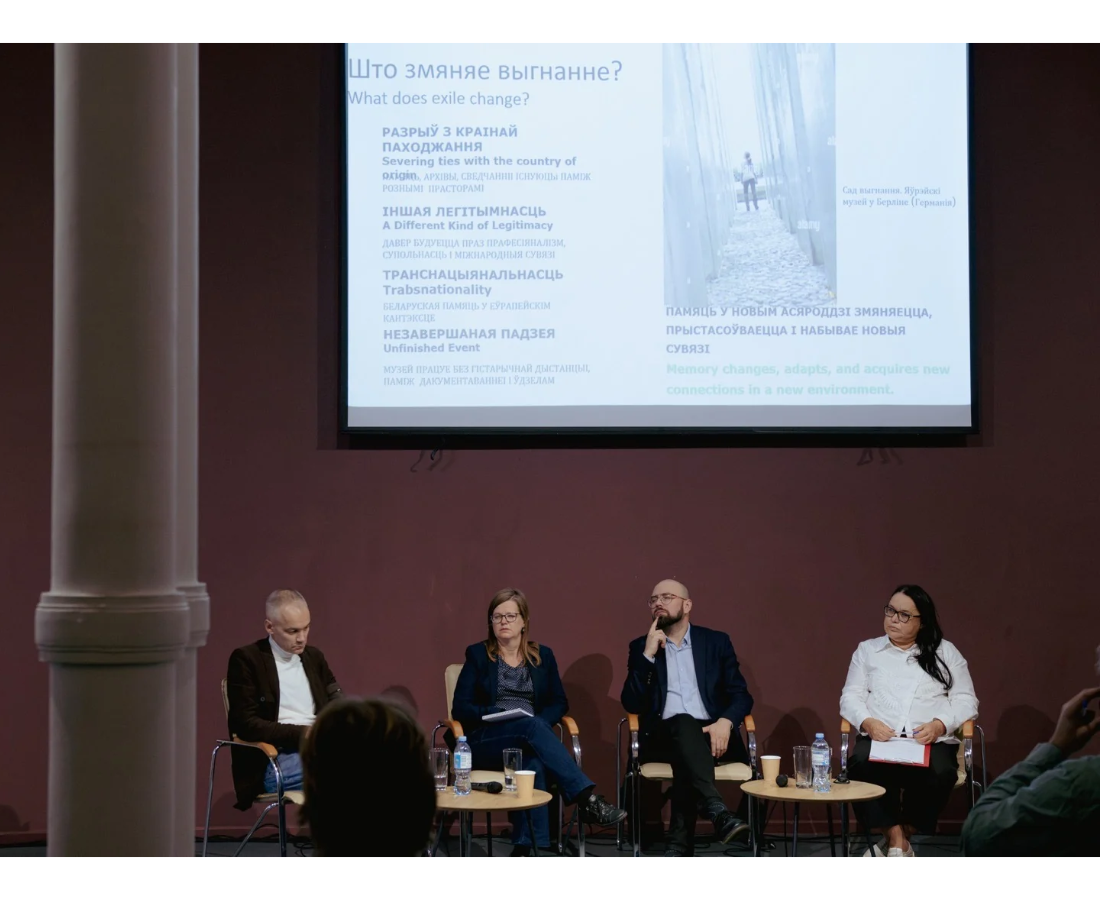
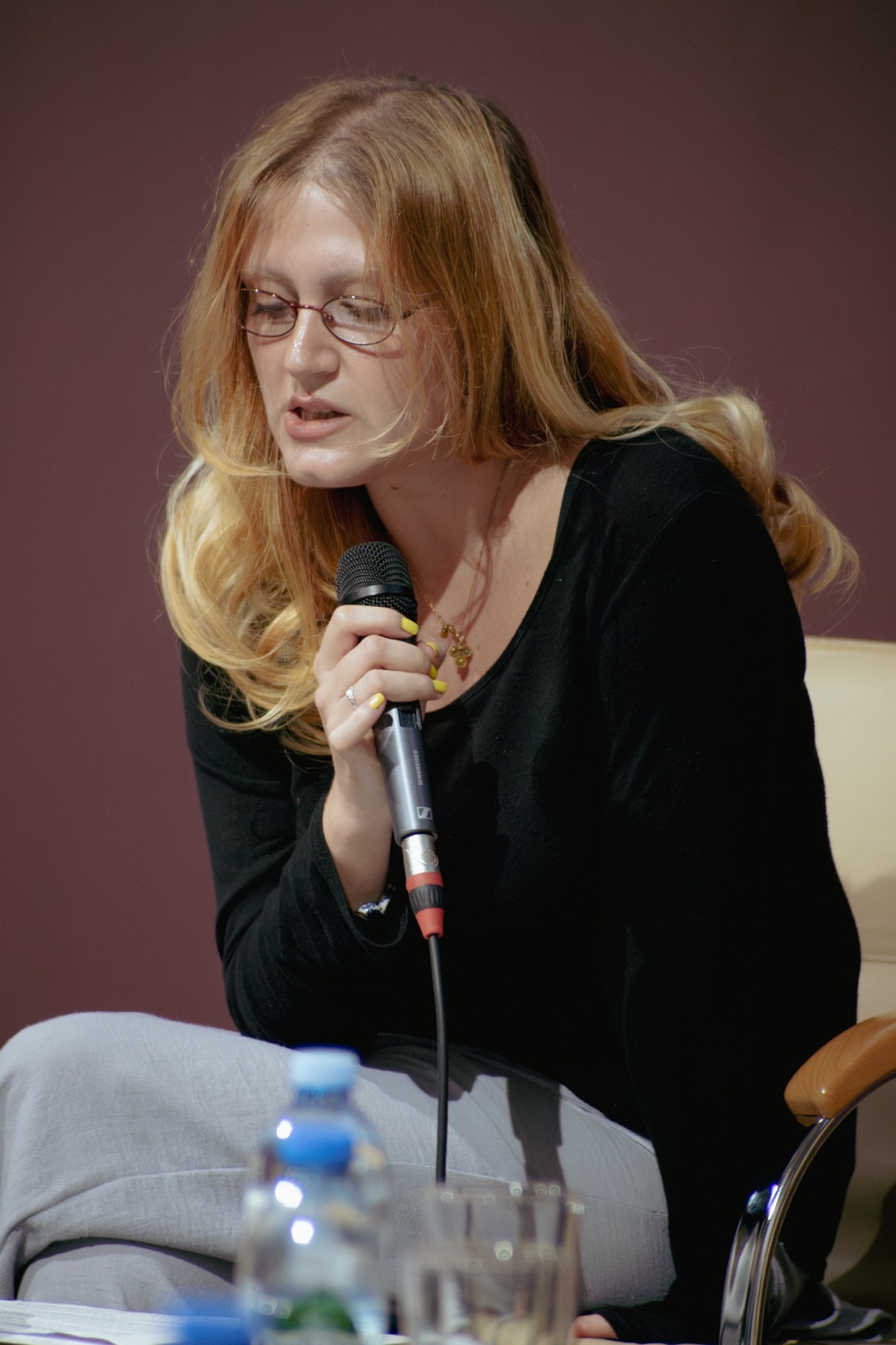
On 8–9 October 2026, the Free Belarus Museum in Warsaw hosted the international scientific and practical conference After Totalitarianism: Museum, Memory, and the Belarusian Perspective. The event brought together museum professionals, historians, memory researchers, archivists, curators and experts from Belarus and across Europe.
The conference provided a space for international exchange and discussion on how museums and research institutions address the complex legacies of totalitarianism and authoritarianism, preserve the memory of repression, state violence and resistance, and reinterpret historical narratives following political transformations.
Key themes included historical responsibility, justice and reconciliation, the role of museums in preserving the memory of victims, the impact of historical revisionism, and the challenges faced by cultural institutions working in exile.
The conference featured more than 25 speakers from Belarus, Poland, Germany, the Czech Republic, Hungary, Albania, Moldova, Latvia, Lithuania, Estonia, Ukraine, Italy, France and other countries.
Day One. Remembering Repression and Historical Revisionism
8 October 2026
The first day of the conference focused on the memory of repression, historical revisionism, difficult heritage and local memorial practices.
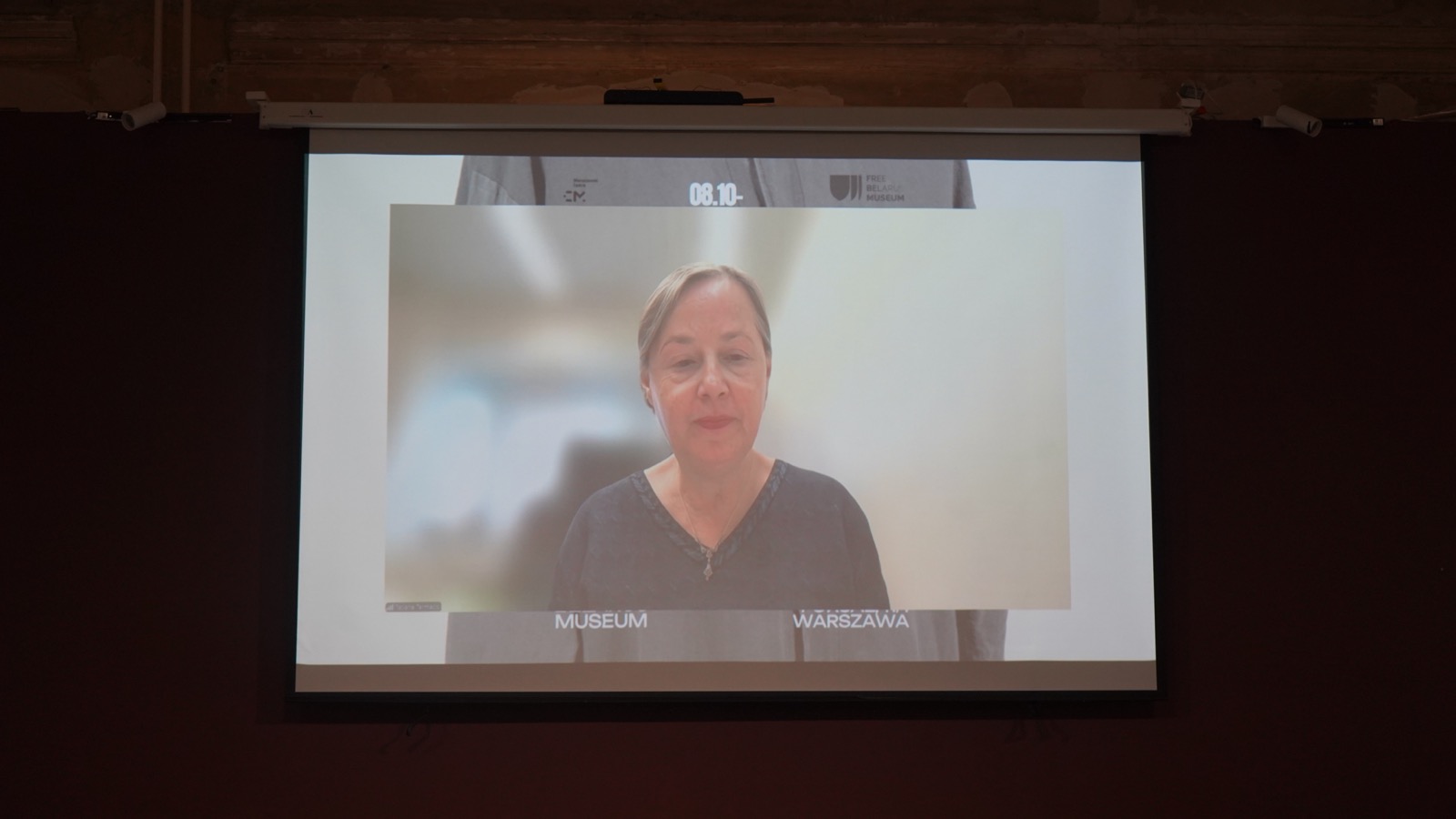
The conference was opened by Natallia Zadziarkouskaja, Director of the Free Belarus Museum; Tatiana Termatich, Head of the Secretariat of the PACE Committee on Culture, Science, Education and Media; Łukasz Adamski, Director of the Juliusz Mieroszewski Centre for Dialogue; and Pavel Latushka, Head of the National Anti-Crisis Management.
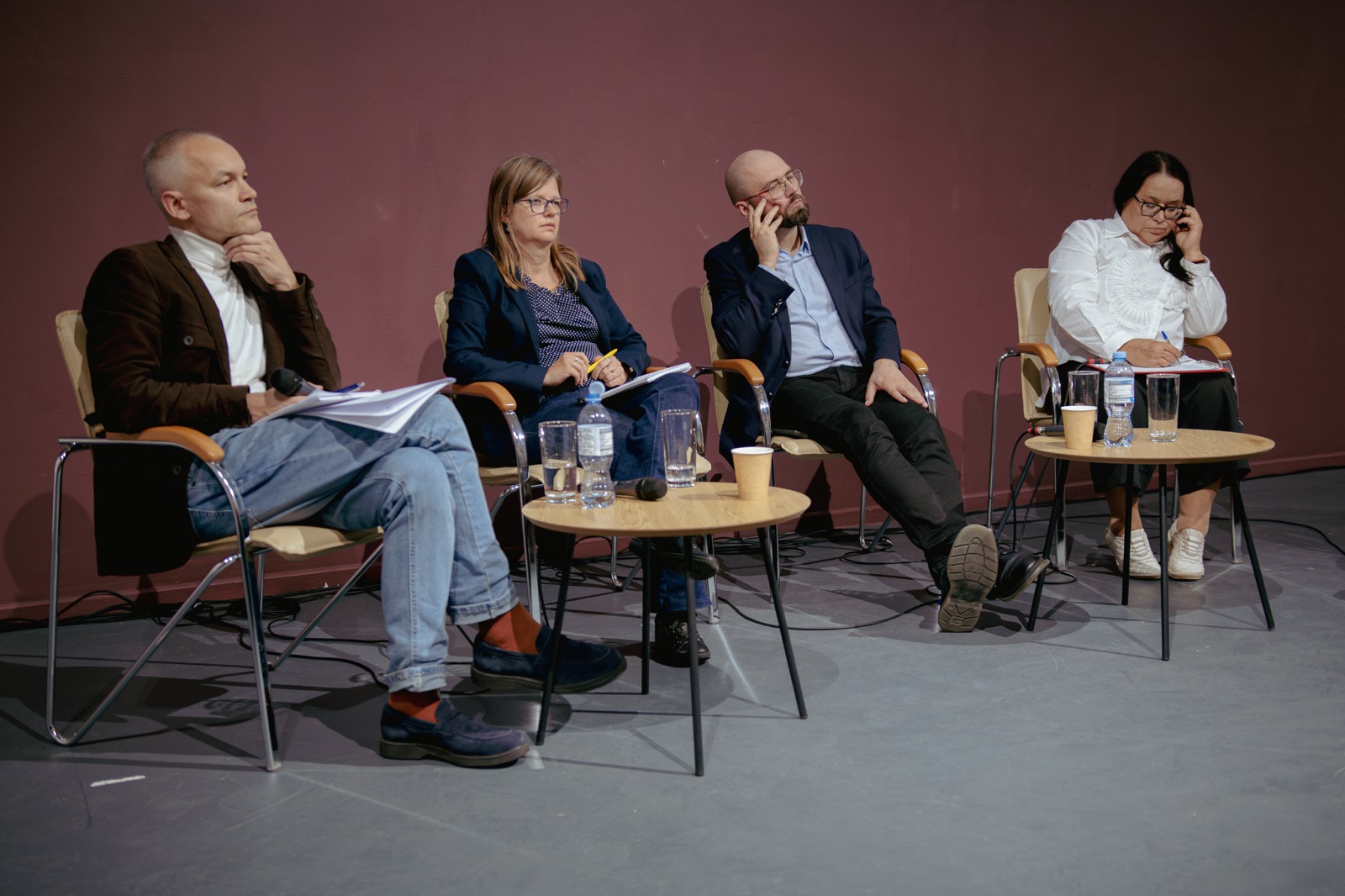
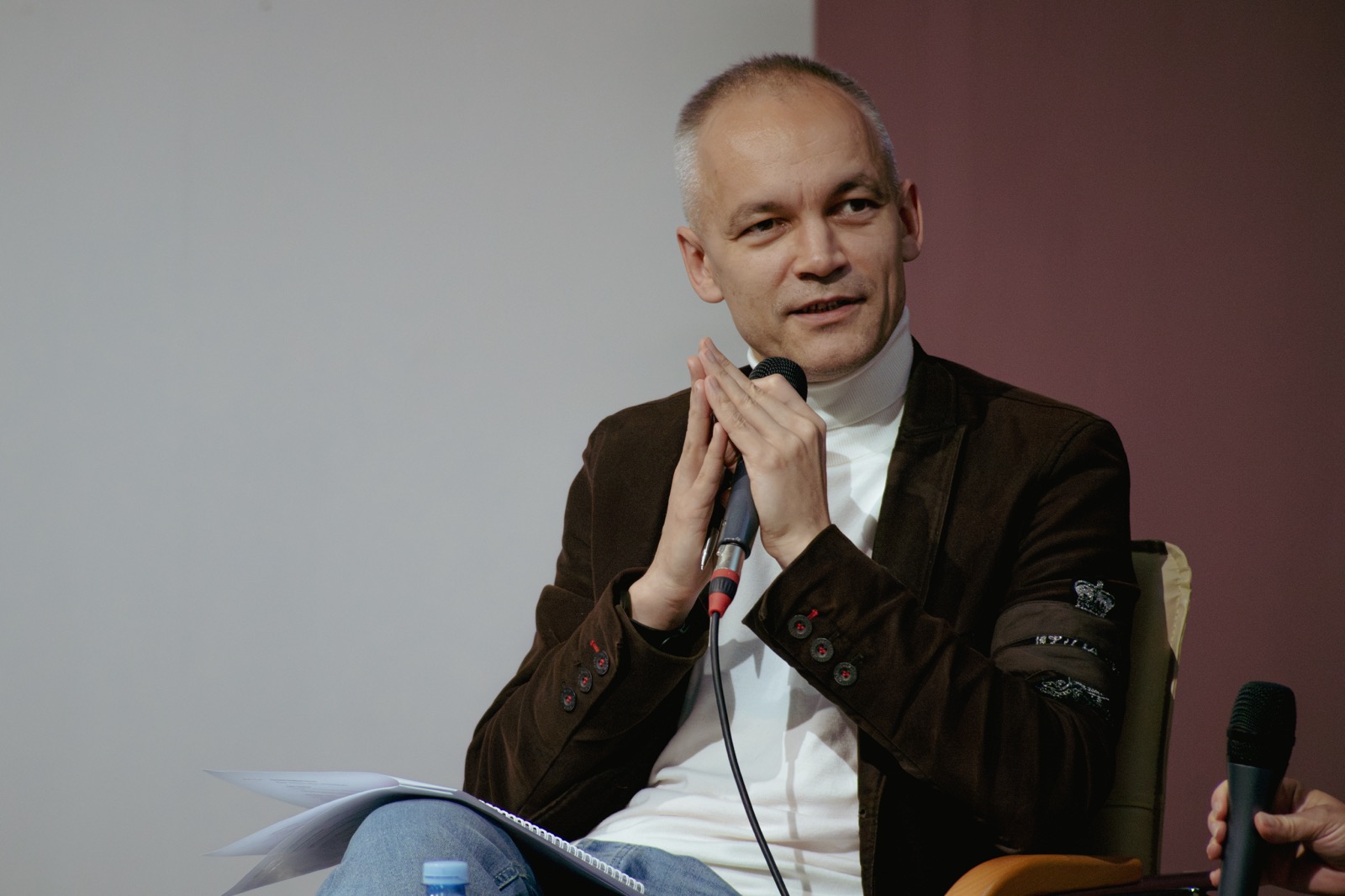
The central event of the day was the plenary session, Remembering Repression and Revisionism in the Post-Totalitarian World, moderated by historian Paviel Tsiareshkovich.
Researchers from the Czech Republic, Hungary, Albania and Moldova presented their countries’ experiences of working with the memory of the communist past, political repression and state violence:
* Klára Pinerová — Institute of Contemporary History, Czech Academy of Sciences;
* András Mink — Blinken OSA Archive, Central European University;
* Enriketa Papa-Pandelejmoni — University of Tirana;
* Ludmila Cojocaru — National Museum of History of Moldova, Museum of Victims of Deportations and Political Repression;
* Virgiliu Bîrlădeanu — Institute of History, Moldova State University.
The thematic sessions also explored local memorial practices, museum narratives and different approaches to preserving historical heritage.
One of the key points emerging from the first day was the need to acknowledge the existence of totalitarianism and its consequences. Without recognising what happened, it is difficult to begin a meaningful discussion about responsibility, justice and the reassessment of the past.
Day Two. Memory Politics, Heritage and the Belarusian Perspective
9 October 2026
The second day continued the discussion, focusing on historical narratives, memory politics, war, migration, the preservation of cultural heritage and the experiences of people affected by state violence, exile and the loss of home.
The session on memory politics, war and transnational narratives featured researchers and museum professionals from Germany and Poland: Stefan Donth, Kristiane Janeke, Bożena Kozakevych and Paweł Kalisz.
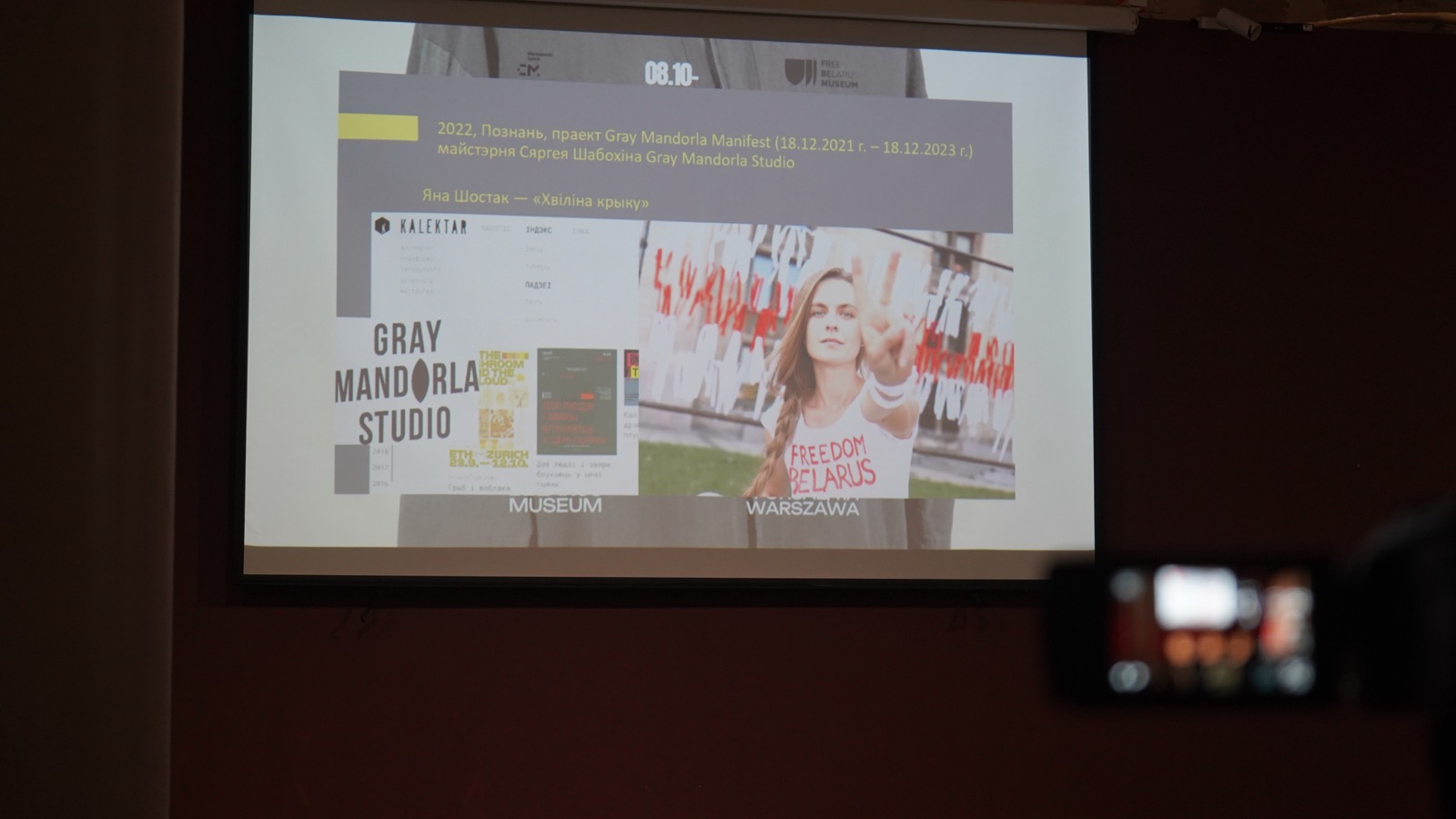
The next session focused on Belarusian memory, repression, identity and heritage preservation. Participants included Volha Arkhipava, Valieruya Charnamortsava and Ilia Magin.
A special place in the programme was given to the discussion Free Belarus Museum: Remembering Unfreedom, Creating a Space for Freedom. The museum team shared its experience of working with Belarusian heritage in exile and discussed, together with international colleagues, the challenges faced by museums operating under difficult political circumstances.
Migration was another important theme. The Sybir Memorial Museum in Białystok presented the history of Polish citizens who found refuge in countries across Africa and Asia during the Second World War. Revisiting these stories helps us better understand the experiences of people forced to leave their homes and recognise historical parallels with contemporary migration crises.
The final part of the programme explored international experiences in museum practice, artistic approaches and the participation of people with migration backgrounds in cultural life. Presentations were delivered by Judith Depaule (France) and Rob Sharp (University of Sussex).
Plenary Session Recording
The recording of the plenary session, Remembering Repression and Revisionism in the Post-Totalitarian World, is available on the Free Belarus Museum’s YouTube channel.
Researchers from the Czech Republic, Hungary, Albania and Moldova discuss how memories of state violence and political repression are shaped, how museum narratives change following political transformations, and the role museums play in preserving the memory of victims.
Watch the recording: https://youtu.be/JRaA3G8c4Cc?si=wegzSZW7tyI4C8vA
Conference Proceedings
An important outcome of the project will be the publication of a collection of conference papers and research contributions.
The volume will bring together research and materials prepared by scholars, museum professionals and experts representing different national and professional perspectives on working with totalitarian and authoritarian heritage.
The publication will extend the discussion initiated in Warsaw and help preserve, systematise and share international experience in addressing the memory of repression, state violence, historical heritage and resistance.