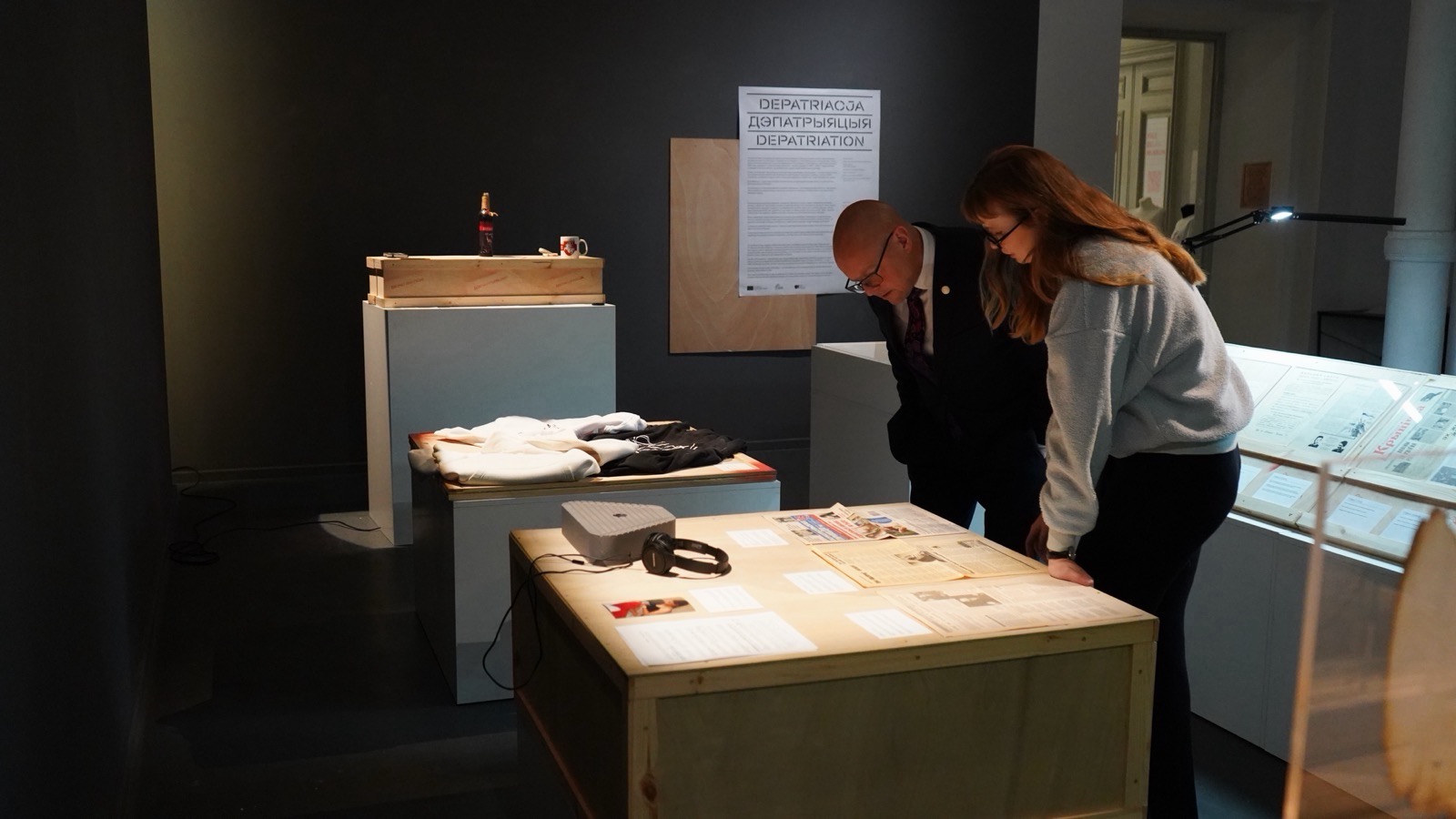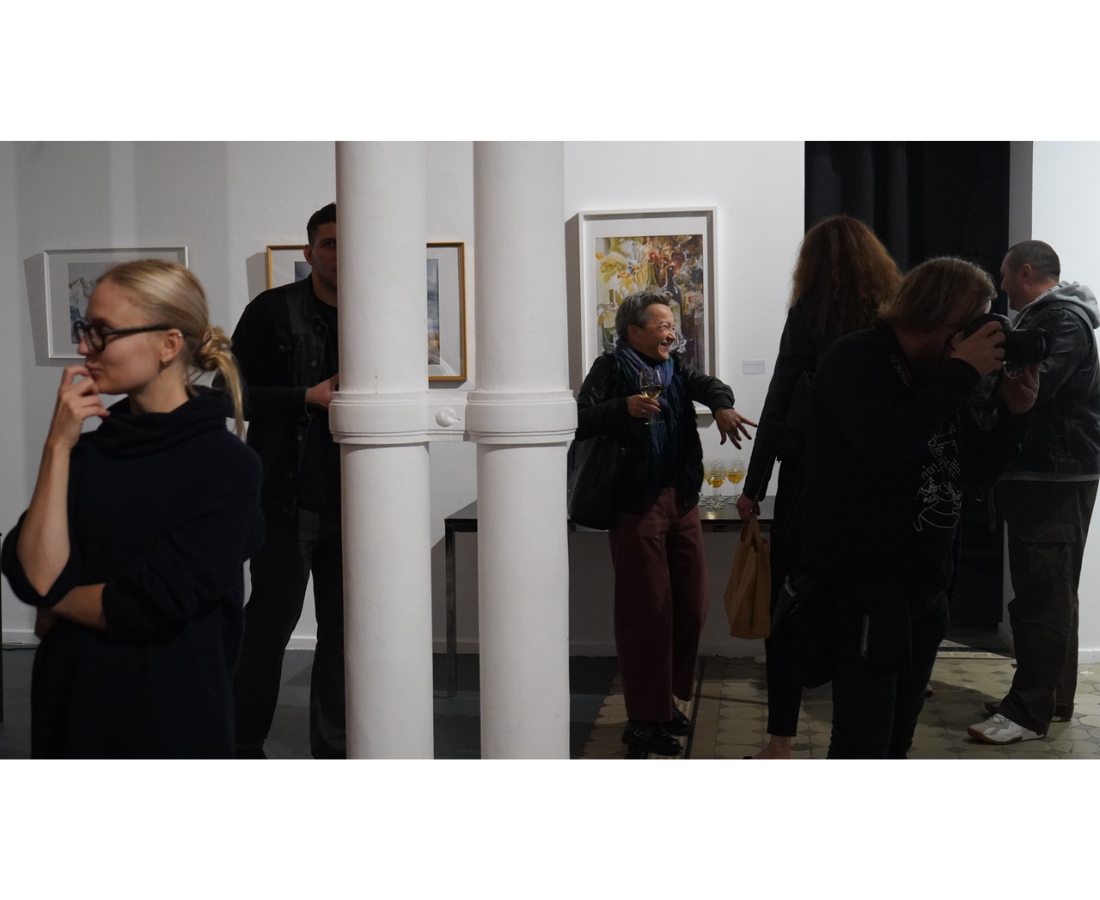


Free Belarus Museum in Warsaw is more than a space dedicated to preserving and interpreting Belarus’s recent history. It is also a platform for international cooperation, professional exchange, and building connections between museums, cultural institutions, researchers, artists, journalists, and human rights advocates.
Since its establishment, the Museum has developed contacts with people and organisations from different countries and professional fields. These connections help foster joint projects, organise exhibitions and discussions, exchange expertise, and bring Belarusian history to international audiences.
Professional contacts with other museums and institutions of memory play an important role in the Museum’s work. These include the X Pavilion of the Museum of Independence at the Warsaw Citadel, the Katyn Museum, the Sybir Memorial Museum in Białystok, and the Ivan Luckievič Museum.
Cooperation and the exchange of experience with these institutions create opportunities for joint initiatives, professional dialogue, and new approaches to working with history, museum collections, and the memory of repression.
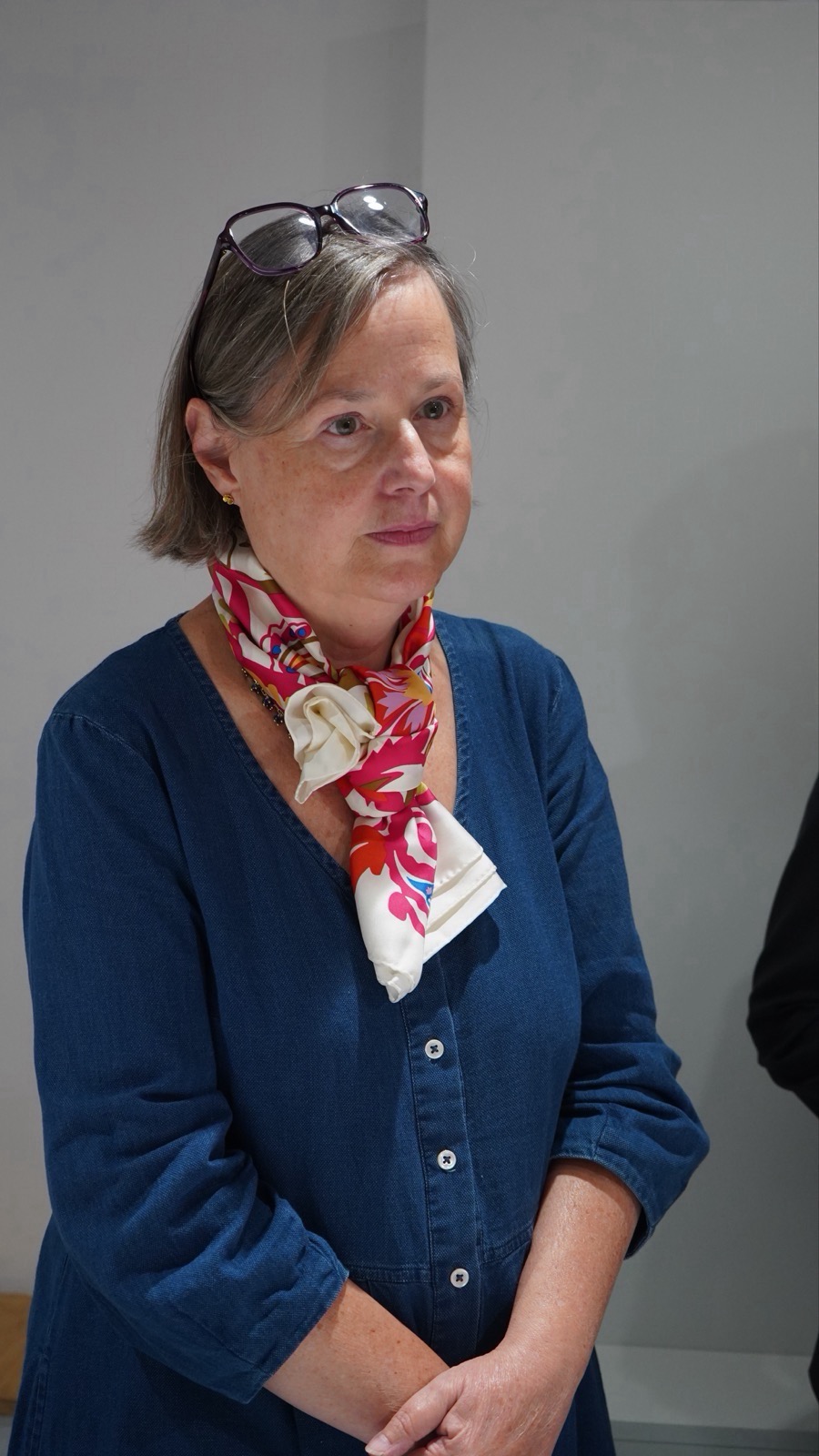
The Museum also maintains connections with the international museum community. Among the professionals whose work intersects with the Museum’s activities is Agnes Aljas, a representative of the Estonian National Museum and a member of the European Museum of the Year Award jury.
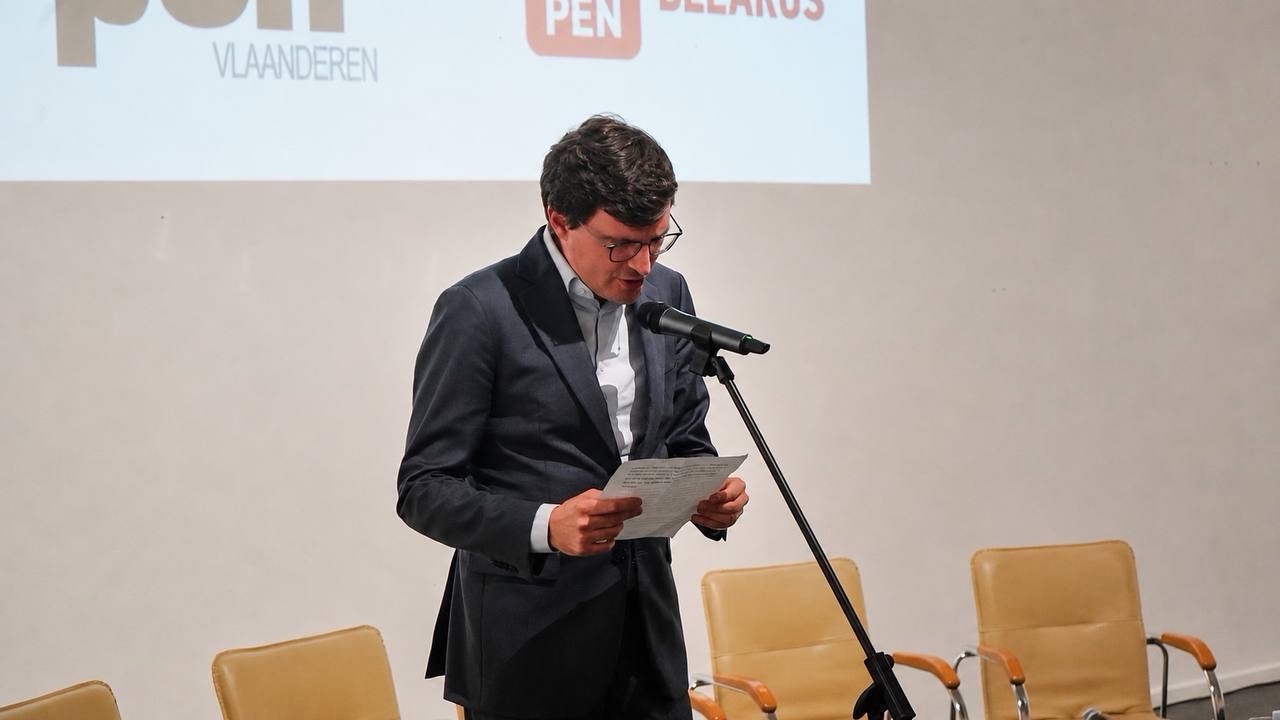
The Museum also develops international contacts through engagement with diplomatic representations and cultural organisations. These include the Representation of Flanders and the Embassy of the Kingdom of the Netherlands in Warsaw.
Such connections help the Museum participate in international cultural dialogue, explore opportunities for cooperation, and present Belarusian experiences within a broader European context.
Among the people with whom the Museum maintains professional contacts is Maciej Radziwiłł, who is involved in cultural and civic initiatives. Professional relationships often become the starting point for new ideas and potential joint projects.
One of the key opportunities to develop these connections was the international academic and practical conference “After Totalitarianism: Museum, Memory and the Belarusian Perspective,” held in Warsaw on 8–9 October 2026.
The conference brought together researchers, museum professionals, and representatives of cultural institutions from different countries. Speakers included Klára Pinerová of the Institute of Contemporary History of the Czech Academy of Sciences; András Mink of the Blinken Open Society Archives at Central European University; Enriketa Papa-Pandelejmon of the University of Tirana; Ludmila Cojocaru of the National Museum of History of Moldova and the Museum of Victims of Deportations and Political Repression; and Virgiliu Bîrlădeanu of the Institute of History at Moldova State University.
Discussions on memory politics, war, and transnational narratives featured Stefan Donth, Kristiane Janeke, Bożena Kozевycz of the German-Polish Foundation “Memorial to Europe’s Forgotten Heroes,” and Paweł Kalisz of the Sybir Memorial Museum in Białystok.
The programme also included contributions from Shalala Mammadova, Mykhailo Kostiv, Anna Gataleta, Volha Arkhipava, Valieruya Charnamortsava, and Ilia Magin, alongside other researchers and practitioners working with history, cultural heritage, and memory.
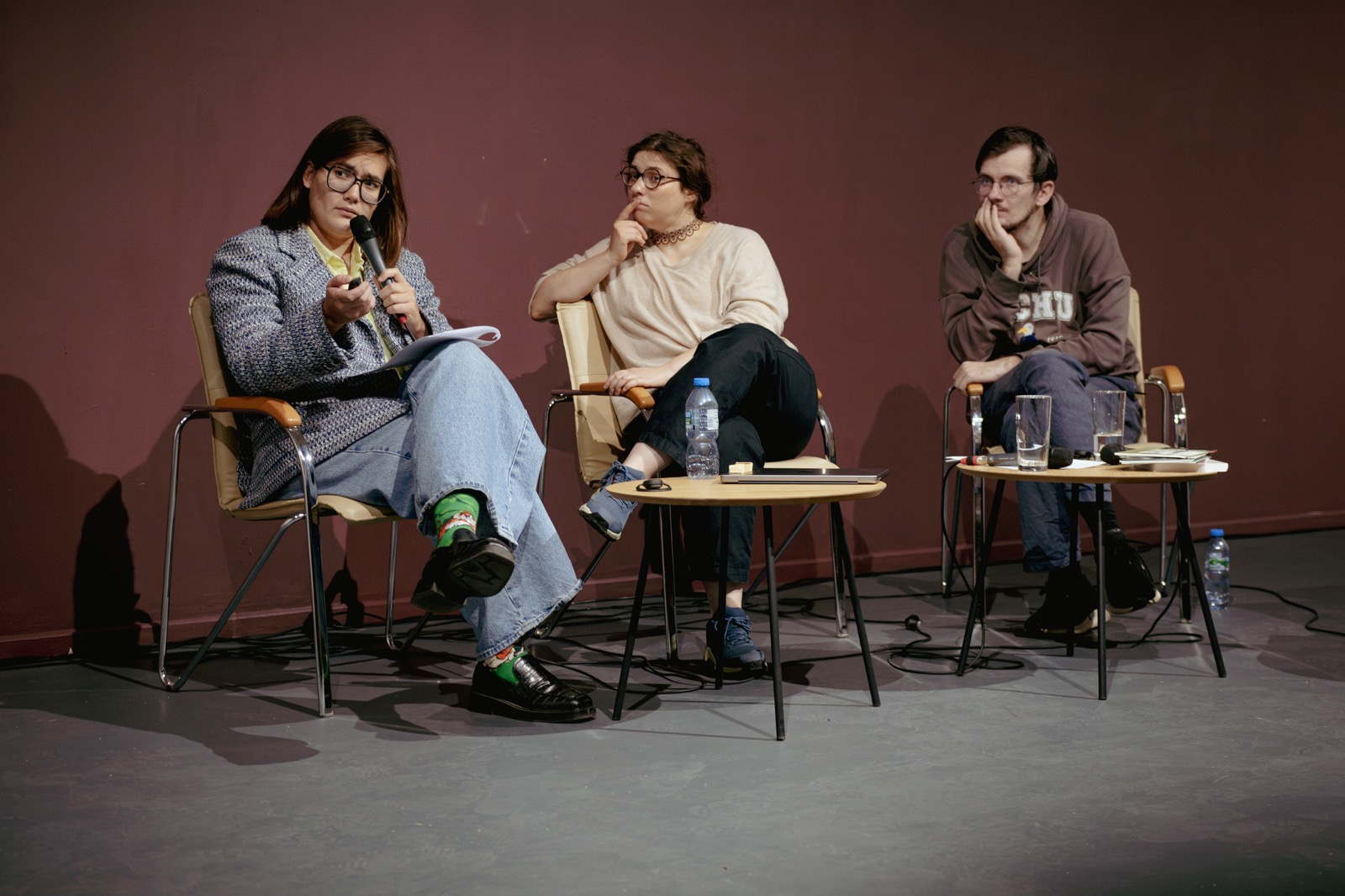
A dedicated panel focused on Free Belarus Museum itself: its work with the memory of unfreedom and its role in creating a space for freedom. The discussion was moderated by Stiepan Stureika. The participation of international experts made it possible to compare museum practices, discuss shared challenges, and develop professional connections.
The conference was co-financed by the Juliusz Mieroszewski Centre for Dialogue as part of its Fourth Open Competition.
The Museum’s network extends beyond museums to include research centres, cultural organisations, galleries, media outlets, and human rights and civic initiatives.
Organisations and institutions connected with the Museum through projects or professional contacts include the Juliusz Mieroszewski Centre for Dialogue, Ukrainian House Foundation, Amnesty International, Ocalenie Foundation, Feminoteka Foundation, Polish Women’s Congress, ING Polish Art Foundation, East European Democratic Centre, Robert Bosch Academy, and Laeso Kunsthal.
For the Museum, these connections are not only an opportunity to reach wider audiences. They also help create the conditions for new collaborative initiatives through which Belarusian histories and experiences become part of international conversations.
International connections are more than a list of names and organisations. They provide a foundation for future exhibitions, research, educational programmes, public discussions, and long-term cooperation.
Free Belarus Museum welcomes new connections with museums, cultural and research institutions, artists, experts, and civic organisations. If you see an opportunity for a joint project or professional exchange, please contact us through the Museum’s website.
*This project is supported by the ArtPower Belarus programme and funded by the European Union.